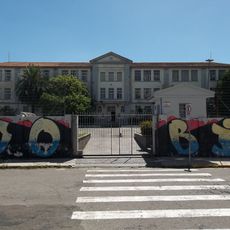
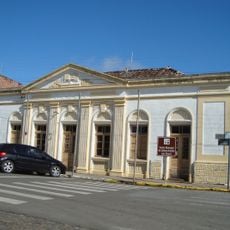
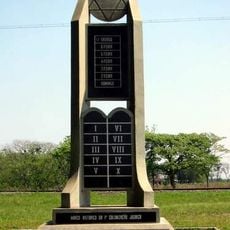
Paleontological Sites of Santa Maria, Protected paleontological area in Santa Maria, Brazil
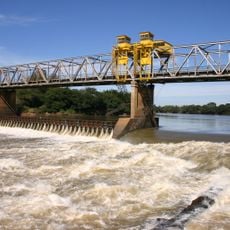
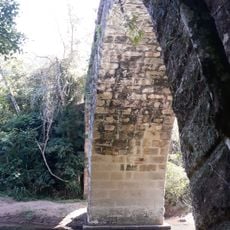
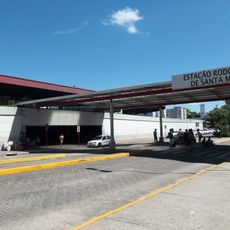
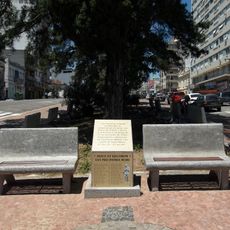
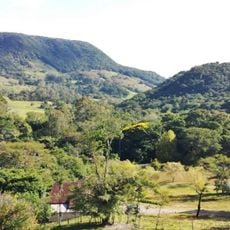
The paleontological sites of Santa Maria comprise multiple fossil locations spread across the region. These sites contain remains from the Triassic period and are accessible today at approximately twenty documented areas.
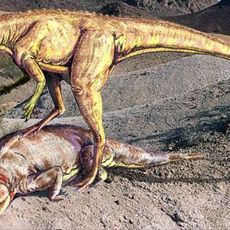
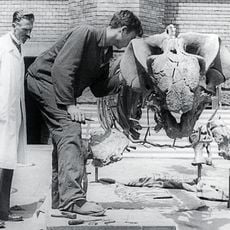
The first fossil discoveries in Santa Maria were recorded in 1901, leading to systematic excavations throughout the region. These scientific efforts made it possible to identify and preserve remains of animals from the Triassic era.
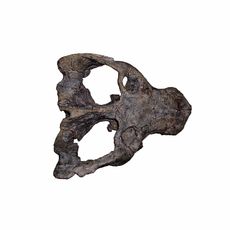
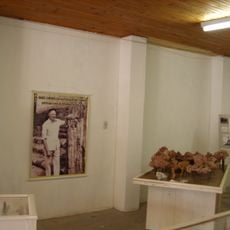
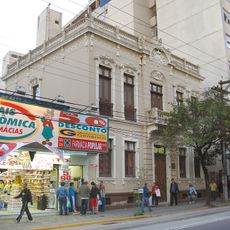
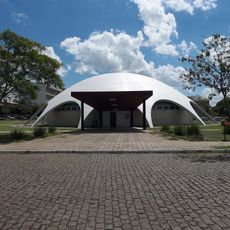
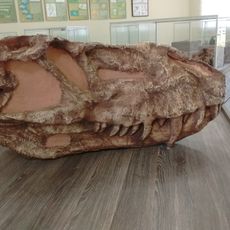
Two museums in the area display fossils that show the prehistoric past of the region. Visitors can see how these collections reveal the importance of this location for understanding ancient life.
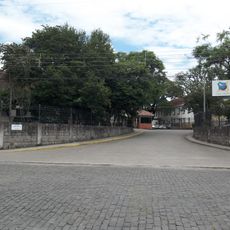
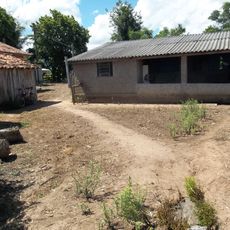
The sites are located in different areas and are reachable via local roads. Visitors should allow time to explore multiple locations and use local guides or information to properly locate the sites.
A site called Sanga da Alemoa stands out for exceptionally well-preserved fossils, including complete skeletons of vertebrates. This location shows how different preservation conditions can be across the various sites in the region.
The community of curious travelers
AroundUs brings together thousands of curated places, local tips, and hidden gems, enriched daily by 92,623 contributors worldwide.