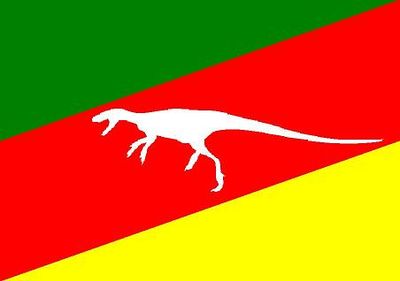
Paleorrota, Geopark in Rio Grande do Sul, Brazil.
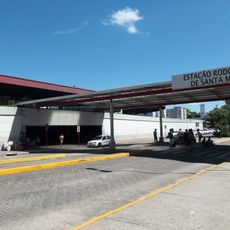
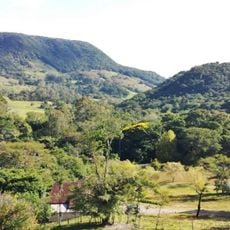
Paleorrota is a geopark spanning the central region of Rio Grande do Sul and preserving rock formations from the Permian and Triassic periods. The site encompasses around 48 municipalities connected by fossil locations, where visitors can observe remains from these two ancient geological eras.
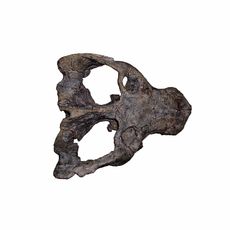
This area formed during the Permian and Triassic periods, with the Santa Maria Formation holding the most important paleontological discoveries. These rocks date back 200 to 250 million years and contain traces of early dinosaurs and other predators from that distant past.
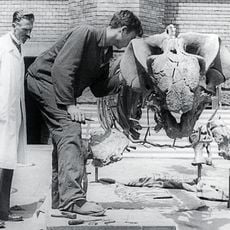
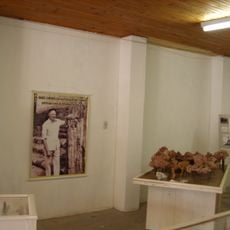
Local fossil collectors and amateur paleontologists like Vicentino Prestes de Almeida have shaped the region's relationship with discovery and science. Their work shows how passion for uncovering the past has connected communities to deeper understanding of ancient life.
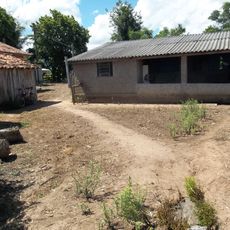
The geopark links several fossil sites through a network of roads and paths, with the Chiniqua site accessible by highway BR-287. Visitors should prepare for varying terrain and allow time for walks between different excavation points.
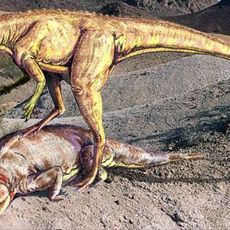
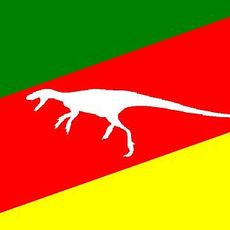
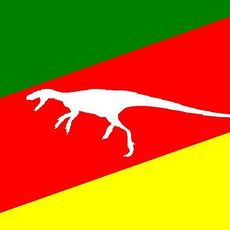
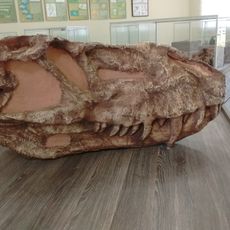
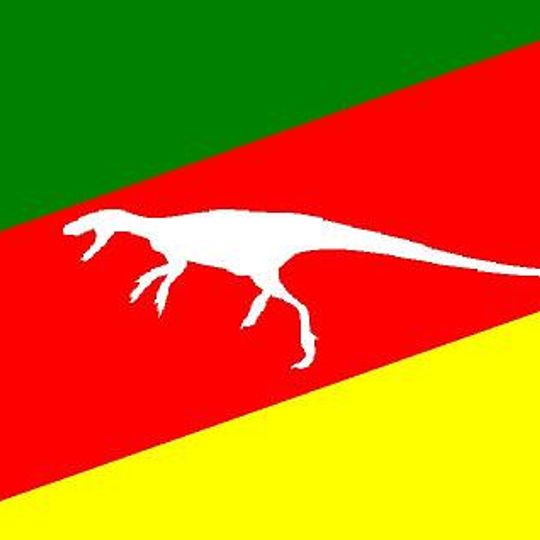
The Santa Maria Formation rocks contain fossils of Staurikosaurus, one of the earliest known dinosaurs. These discoveries also reveal evidence of both land and water habitats, offering insight into the diversity of life during that era.
The community of curious travelers
AroundUs brings together thousands of curated places, local tips, and hidden gems, enriched daily by 60,000 contributors worldwide.