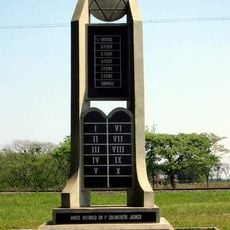
Sanga da Alemoa, Paleontological site in Santa Maria, Brazil
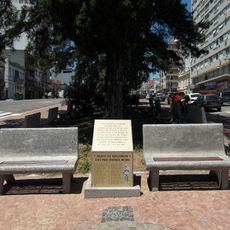
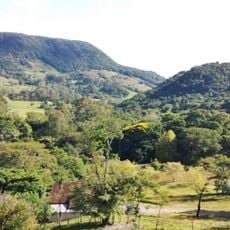
Sanga da Alemoa is a paleontological site in Santa Maria containing fossils from the Caturrita and Santa Maria formations. The location holds remains of dinosaurs and prehistoric reptiles buried in layers of rock from ancient geological periods.
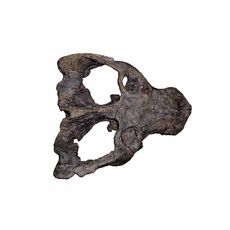
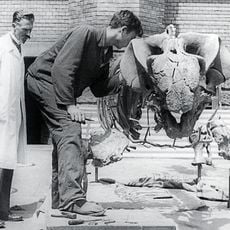
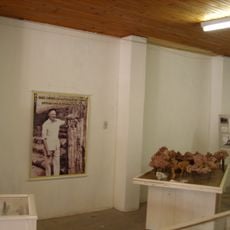
Antero de Almeida found the first fossil at Sanga da Alemoa in 1901. In 1902 Jango Fischer sent fossils to Arthur Smith Woodward in London, and the rhynchosaur Scaphonyx fischeri was named after him. Between 1915 and 1917 H. Lotz collected 200 specimens with Guilherme Rau, while the young Atílio Munari learned to prepare fossils. Llewellyn Ivor Price excavated Staurikosaurus here in 1936.
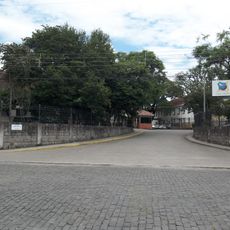
Streets near the site are named after Atílio Munari and Daniel Cargnin, two fossil collectors who worked here; Munari, who lived nearby as a boy, learned preparation from the German scientist H. Lotz and his body rests in São José Cemetery beside the site. The Jesuit Antonio Binsfeld collected Cerritosaurus fossils here in 1941.
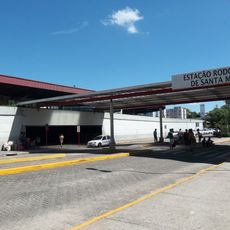
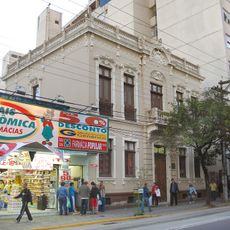
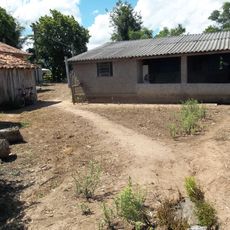
The site lies in the Castelinho neighbourhood of Santa Maria, close to a major road junction, so it can be reached by car from the city centre. There is a project to turn the location into a tourist spot, but municipal and state authorities have not implemented it; no visitor facilities or guided tours exist. The surrounding streets are named after the researchers Atílio Munari and Daniel Cargnin.
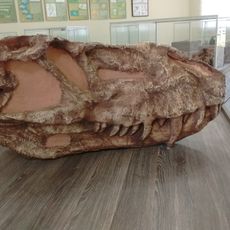
Excavations here unearthed Staurikosaurus pricei, one of the earliest dinosaurs identified in Brazil. This discovery held global importance for understanding dinosaur distribution in South America.
The community of curious travelers
AroundUs brings together thousands of curated places, local tips, and hidden gems, enriched daily by 94,076 contributors worldwide.