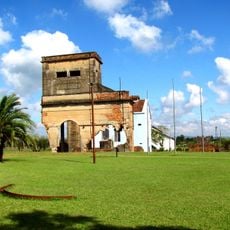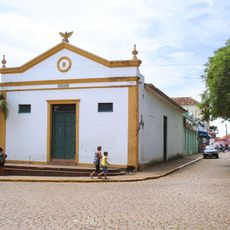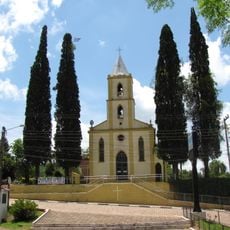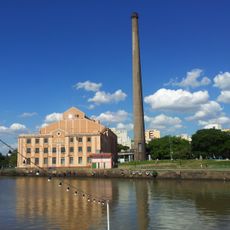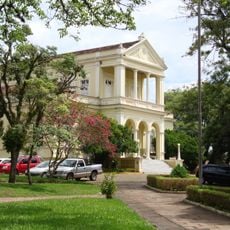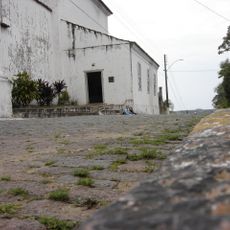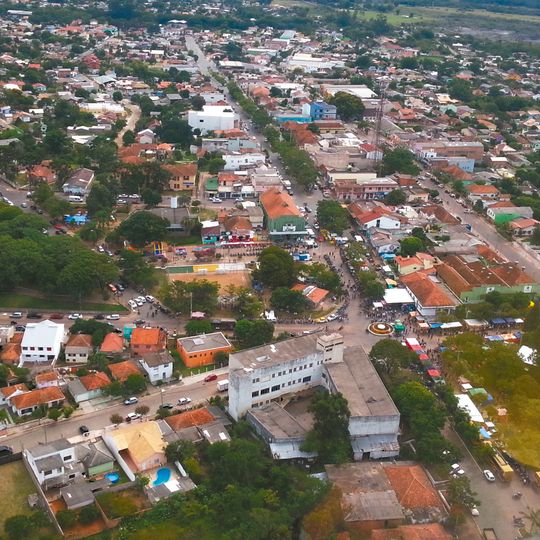
Butiá, Coal mining town in Rio Grande do Sul, Brazil
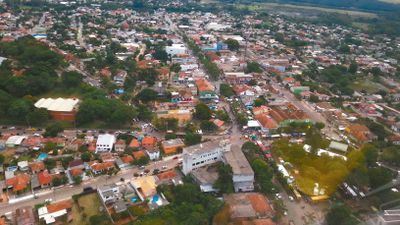
Butiá is a municipality in Rio Grande do Sul whose economy relies on coal extraction, timber production, and farming activities. The region produces significant crops including soybeans and watermelons alongside its extractive industries.
Brazil's earliest coal deposits were discovered here in 1795, sparking the town's development as a major mining center. This discovery transformed the region and established it as a key industrial location.
The community honors its mining roots through local festivals celebrating Saint Teresa and Saint Barbara, the patron saints of miners. These celebrations remain important gatherings that shape social life and keep the memory of the town's industrial past alive.
The town sits about 80 kilometers from Porto Alegre, making it reasonably close to the state capital. Visiting works well for those interested in mining history or exploring rural areas of the region.
The town's name comes from a native palm species that once served as a geographical landmark before the settlement was officially established. This connection to local plants shows how the landscape itself influenced the early development of the area.
The community of curious travelers
AroundUs brings together thousands of curated places, local tips, and hidden gems, enriched daily by 60,000 contributors worldwide.