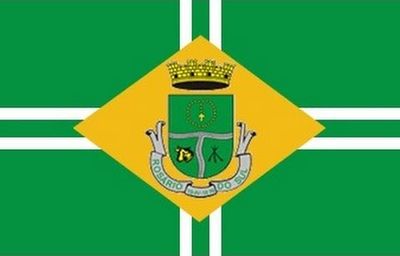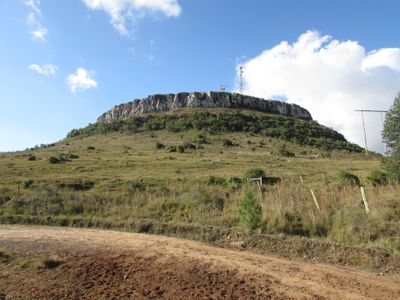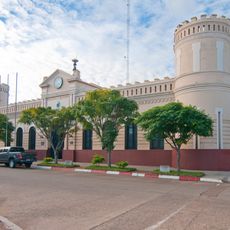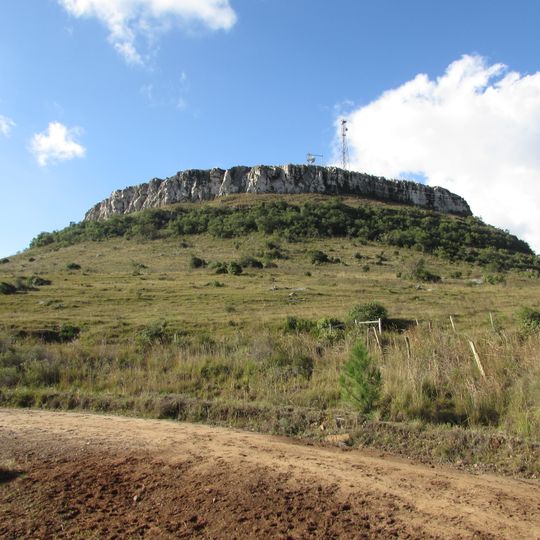
Rosário do Sul, Agricultural municipality in Rio Grande do Sul, Brazil
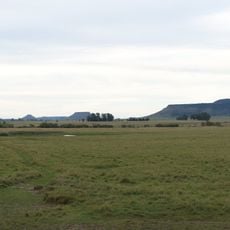
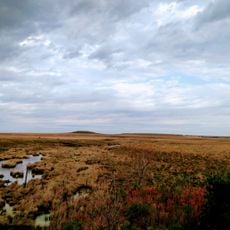
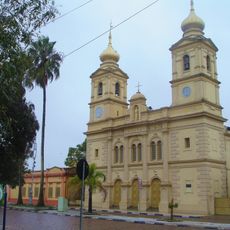
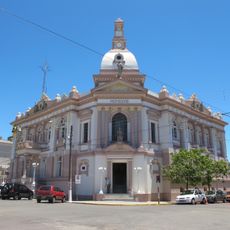
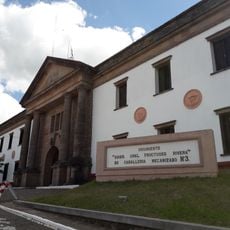
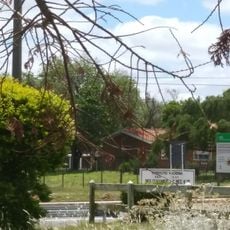
Rosário do Sul is a municipality in southwestern Rio Grande do Sul that covers a large agricultural area in this region of southern Brazil. The town functions as a local center serving the surrounding rural areas and farming communities.
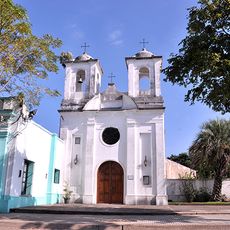
The settlement was founded in 1813 and gained city status in 1939, after which it changed its name to Rosário do Sul in 1944. This name change marked an important step in the town's development as an independent administrative center.
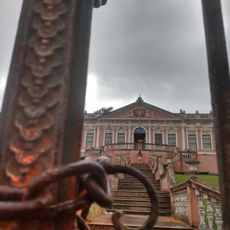
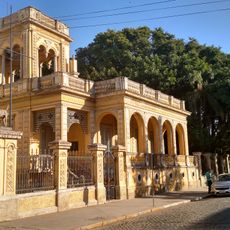
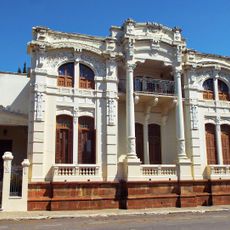
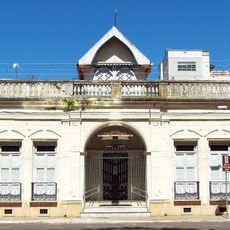
The João Pessoa municipal theater shapes cultural life in the region and hosts regular performances by local and regional artists. The venue serves as a gathering place where residents experience theater, music, and artistic presentations.
The municipality has basic infrastructure with schools, shops, and local services typical of a regional agricultural town. Visitors should plan to arrive by car, as public transportation is limited and distances between locations are greater.
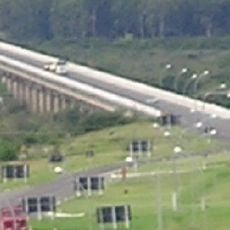
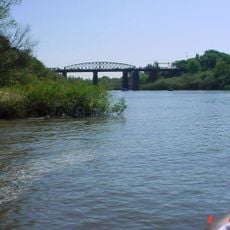
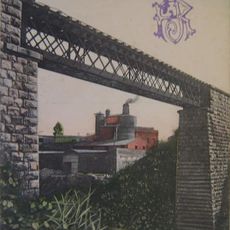
A large bridge crosses the Santa Maria River and ranks among the longer structures of its kind in the state. The bridge connects the region and is a notable feature of the local landscape.
The community of curious travelers
AroundUs brings together thousands of curated places, local tips, and hidden gems, enriched daily by 60,000 contributors worldwide.