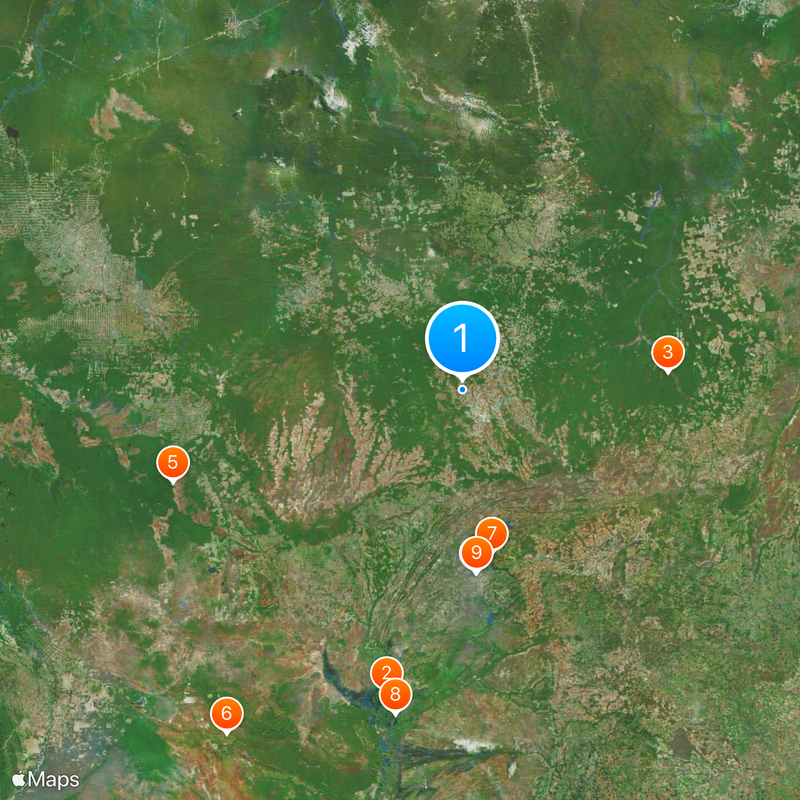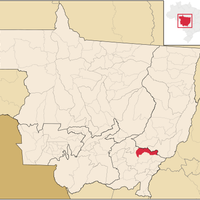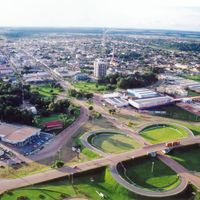
Mato Grosso, State administrative division in Central-West Region, Brazil
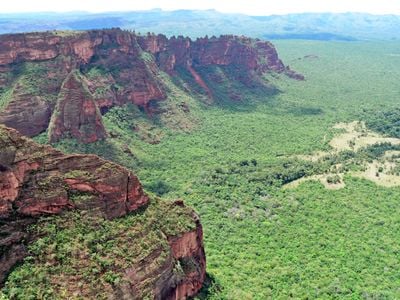
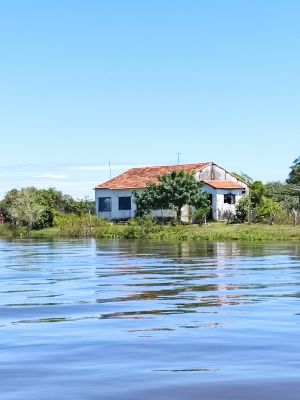
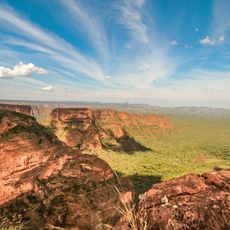
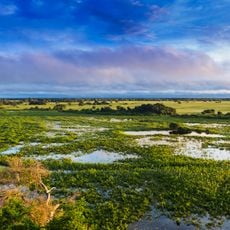
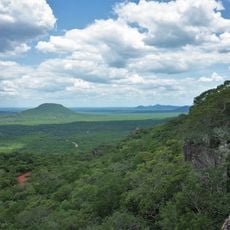
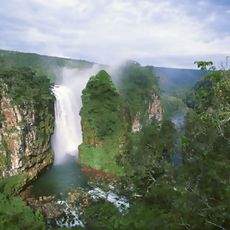
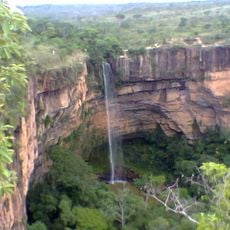
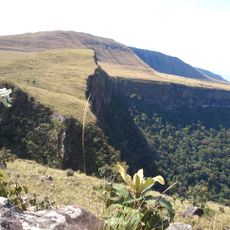
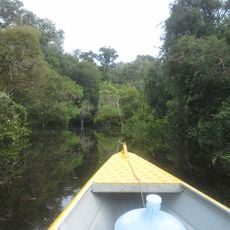
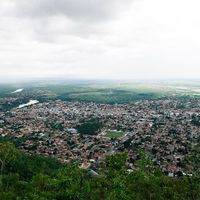
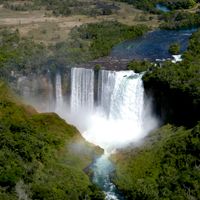
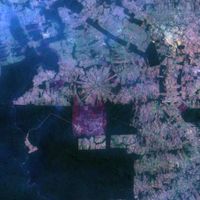
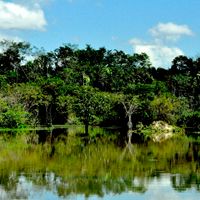
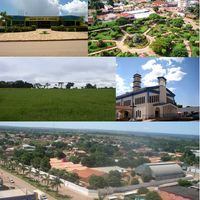
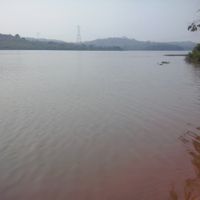
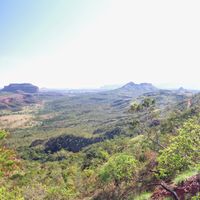
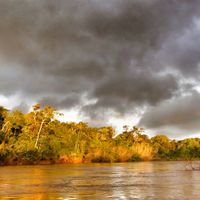
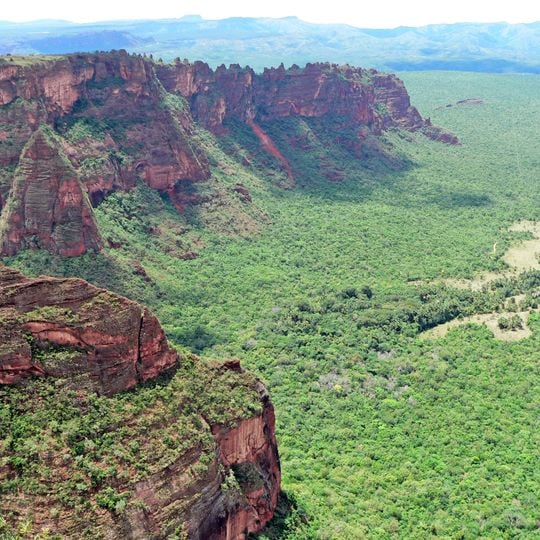
Mato Grosso is an administrative division in the interior of Brazil that extends from tropical forests in the north to wetland areas in the south. Vegetation shifts between dense jungle, open savanna, and wide floodplains that change appearance with the seasons.
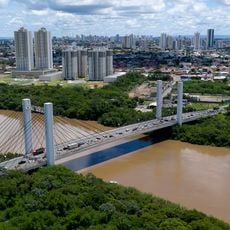
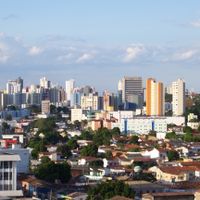
The region was opened during the 18th-century gold rush, when settlers from São Paulo pushed deep into the interior. The capital was established at Cuiabá, founded as a mining post on a river in the middle of the forest.
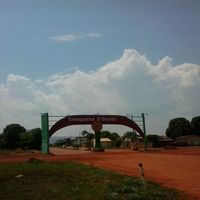
The name comes from the Tupi language and means »thick forest«, a term that still refers to the large wooded areas in the north. Rodeos and cattle ranching shape the life of many communities, where cowboys demonstrate their skills with livestock during festivals.
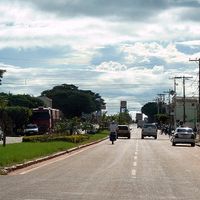
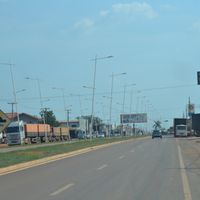
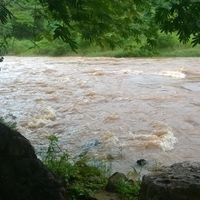
Travel between towns takes time due to long distances and unpaved roads in remote areas. The rainy season from November to March makes some routes difficult to pass, especially in the wetlands and at the edge of the Amazon.
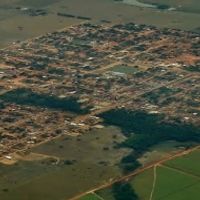
More than half of the soy harvest is shipped directly to China, a connection visible in many river ports and warehouses along the Teles Pires. On some farms, fields stretch so far that pilots use them as landmarks when flying.
The community of curious travelers
AroundUs brings together thousands of curated places, local tips, and hidden gems, enriched daily by 90,753 contributors worldwide.