Vila Bela da Santíssima Trindade, Colonial municipality in Mato Grosso, Brazil.
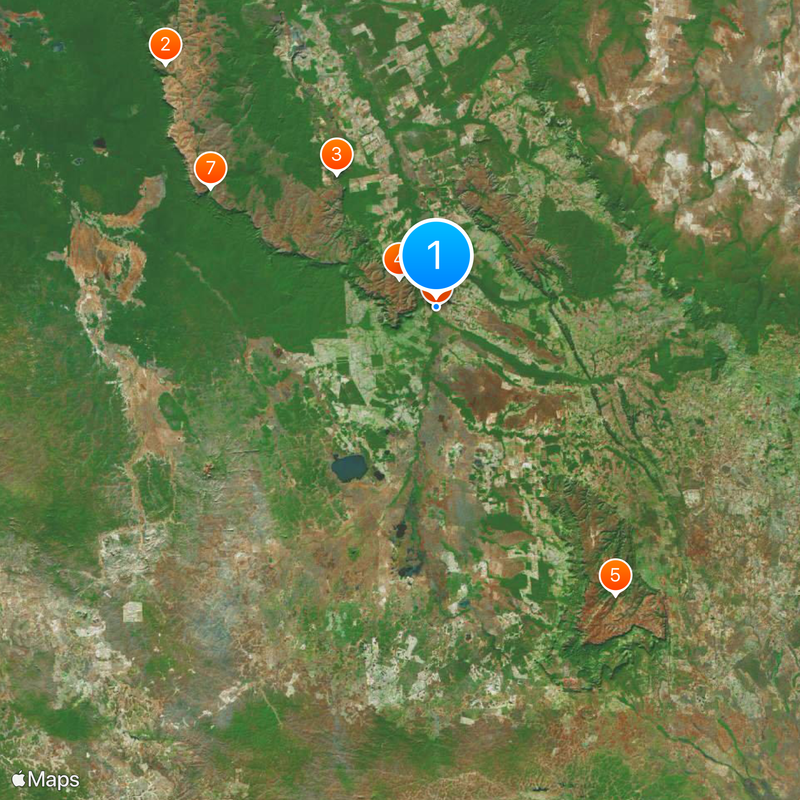
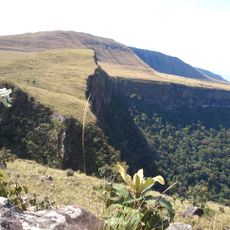
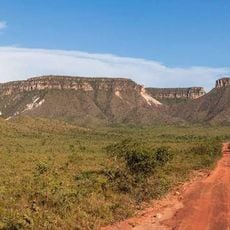
Vila Bela da Santíssima Trindade is a town in Mato Grosso located near the Bolivian border along the upper Guaporé River valley. The settlement spreads across rolling terrain with remnants of colonial-era buildings and a layout that reflects its frontier origins.
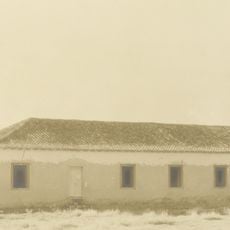
The town was established in the 18th century as a strategic outpost to protect Portuguese territory against Spanish expansion, serving initially as the region's administrative center. Its importance declined after the capital relocated, transforming it into the quieter settlement seen today.
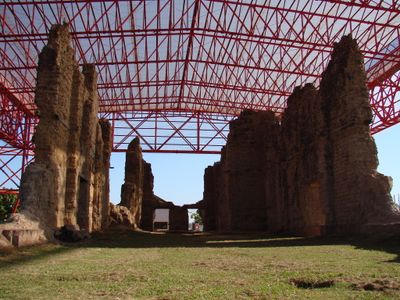
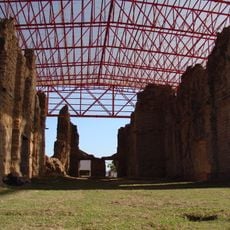
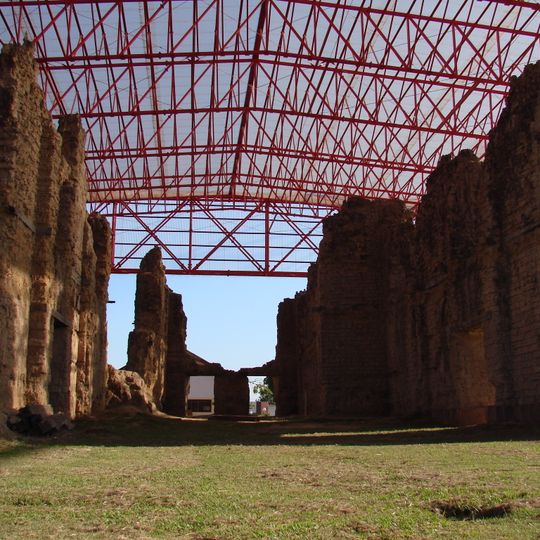
The Congo Festival brings together locals and visitors to witness traditional performances rooted in African ancestry, held at the old church ruins that still stand as a cultural focal point. These celebrations remain central to how residents express their heritage and community bonds.
The town is accessible by road from Cuiabá, with the route passing through Cáceres and Pontes e Lacerda covering a journey of several hours. Visitors should expect basic facilities and services, as the remote location limits modern amenities.
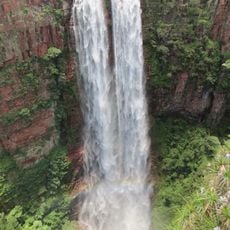
A multi-tiered waterfall in the nearby Serra Ricardo Franco creates a striking natural display that few travelers encounter when visiting the region. This remote site remains largely untouched by tourism and offers a quiet escape into the local landscape.
The community of curious travelers
AroundUs brings together thousands of curated places, local tips, and hidden gems, enriched daily by 92,524 contributors worldwide.