See the monuments around you in AROpen chests in the app
Around Us is built for your phone — point your camera at the streets and discover the monuments and places around you in augmented reality.Around Us is built for your phone — chests unlock when you walk, explore and capture nearby places.
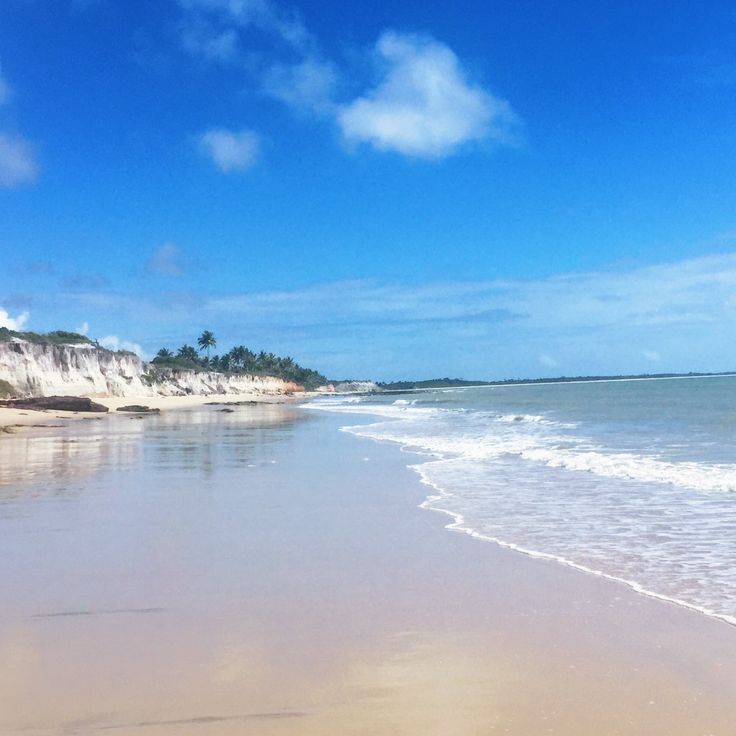
Brazil has natural areas and local sites away from major cities. The landscape ranges from waterfalls and caves to coastal regions and mountains. National parks hold sand formations, lagoons, and coral reefs. Cultural places include traditional villages and historical sites. Visitors can explore Vale da Lua in Goiás, where rocks form smooth, moon-like shapes, or discover the white beaches and clear waters of Fernando de Noronha in Pernambuco. The dunes of Jericoacoara in Ceará offer rolling landscapes, while Lençóis Maranhenses in Maranhão amazes with white sand dunes set between turquoise lagoons. Brazil also has less-visited places like Alter do Chão in Pará, where forest meets river, and the falls of Serra da Canastra in Minas Gerais, which plunge over steep cliffs. The Amazon region holds plateaus like Mount Roraima and hidden river springs. Each location has its own character and draws travelers who want to experience the natural variety the country offers.
Brazil has natural areas and local sites away from major cities. The landscape ranges from waterfalls and caves to coastal regions and mountains. National parks hold sand formations, lagoons, and coral reefs. Cultural places include traditional villages and historical sites. Visitors can explore Vale da Lua in Goiás, where rocks form smooth, moon-like shapes, or discover the white beaches and clear waters of Fernando de Noronha in Pernambuco. The dunes of Jericoacoara in Ceará offer rolling landscapes, while Lençóis Maranhenses in Maranhão amazes with white sand dunes set between turquoise lagoons. Brazil also has less-visited places like Alter do Chão in Pará, where forest meets river, and the falls of Serra da Canastra in Minas Gerais, which plunge over steep cliffs. The Amazon region holds plateaus like Mount Roraima and hidden river springs. Each location has its own character and draws travelers who want to experience the natural variety the country offers.
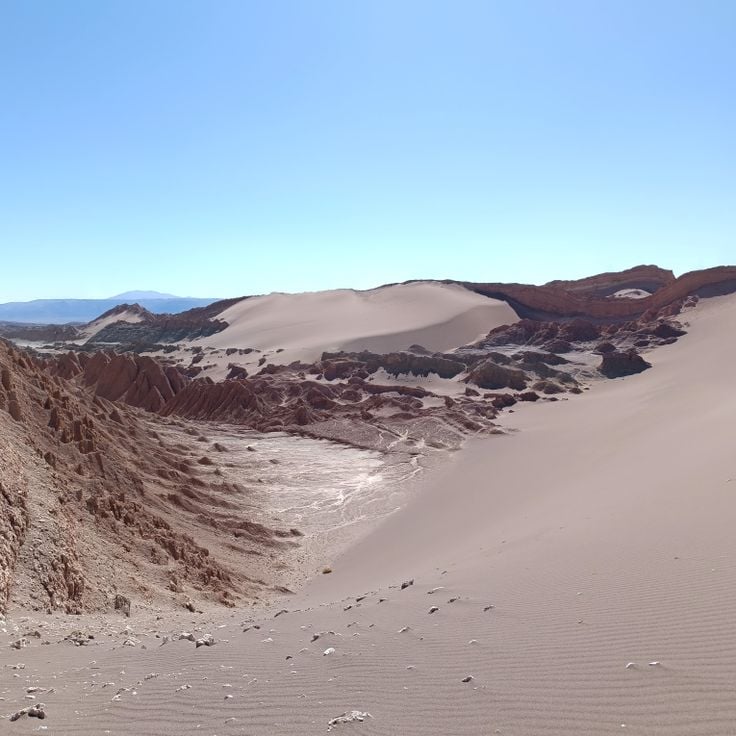
Vale da Lua is located in Chapada dos Veadeiros National Park and features rock formations with a surface that resembles the moon's geology. The stones have depressions and grooves carved into them. This site represents one of Brazil's natural areas beyond major cities, where visitors can experience the raw character of the landscape.
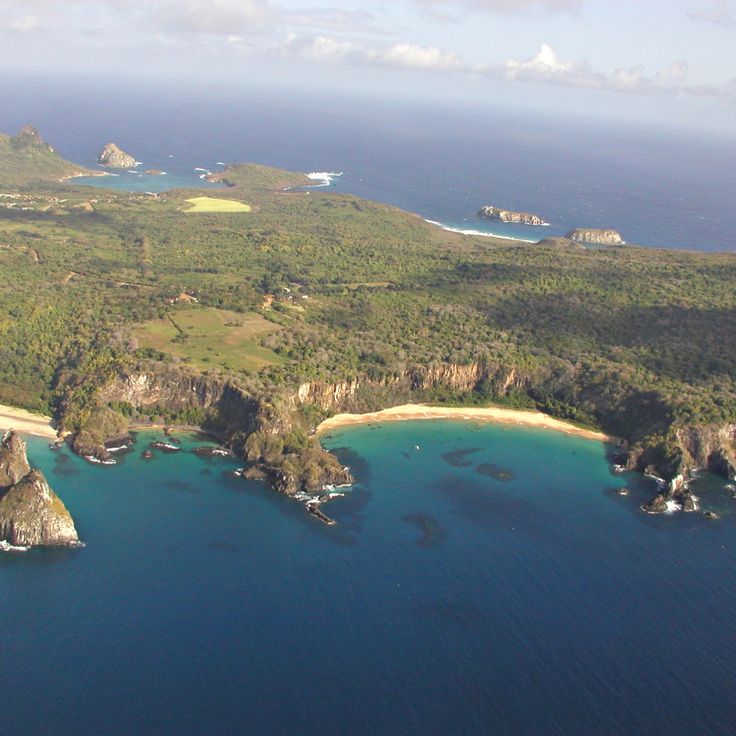
The beaches of Fernando de Noronha sit on an archipelago off the coast of Pernambuco and showcase clear waters, coral reefs and sea turtles. This location is part of Brazil's natural sites beyond major cities and operates under strict protection rules that limit visitor numbers to safeguard the fragile environment.
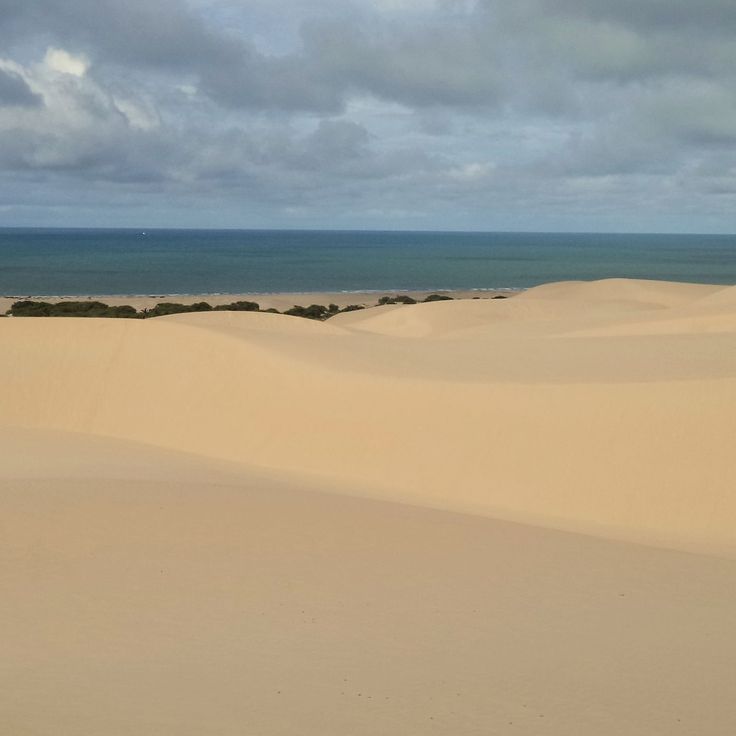
Jericoacoara Dunes are sand formations in Ceará, Brazil, rising up to 30 meters above sea level. The wind reshapes the dune landscape daily. This site fits into the collection of natural areas and local places in Brazil, where sand formations and coastal regions create distinctive landscapes.
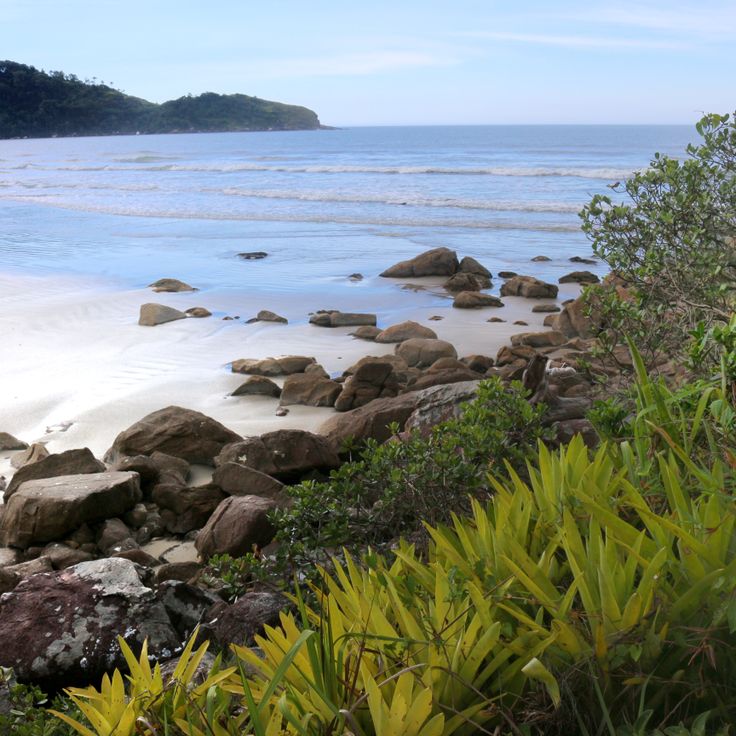
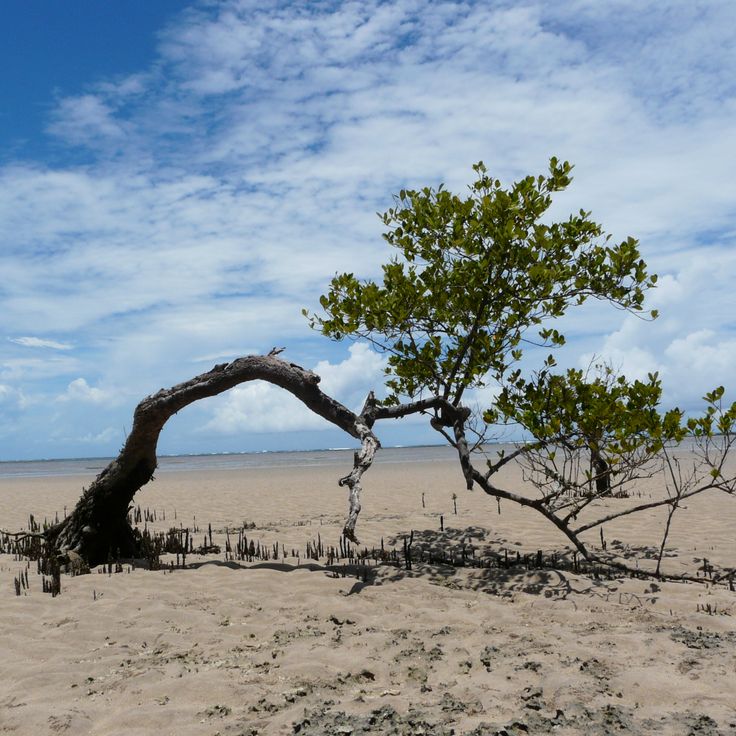
Ilha do Cardoso is located off the coast of São Paulo and represents the natural places Brazil has to offer beyond its major cities. The island contains mangroves, rainforests and beaches where birds, monkeys and sea turtles inhabit their natural environments.
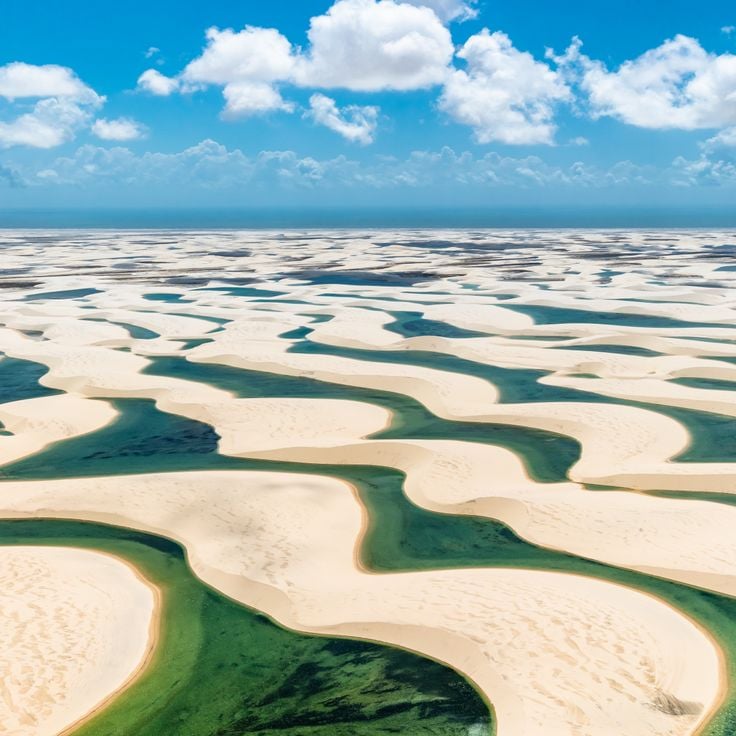
The Lençóis Maranhenses Lagoons form between January and June when rainfall fills the spaces between sand dunes in the national park with blue water pools. This natural spot in Brazil shows how water and sand create an ever-changing landscape that visitors can explore and experience.
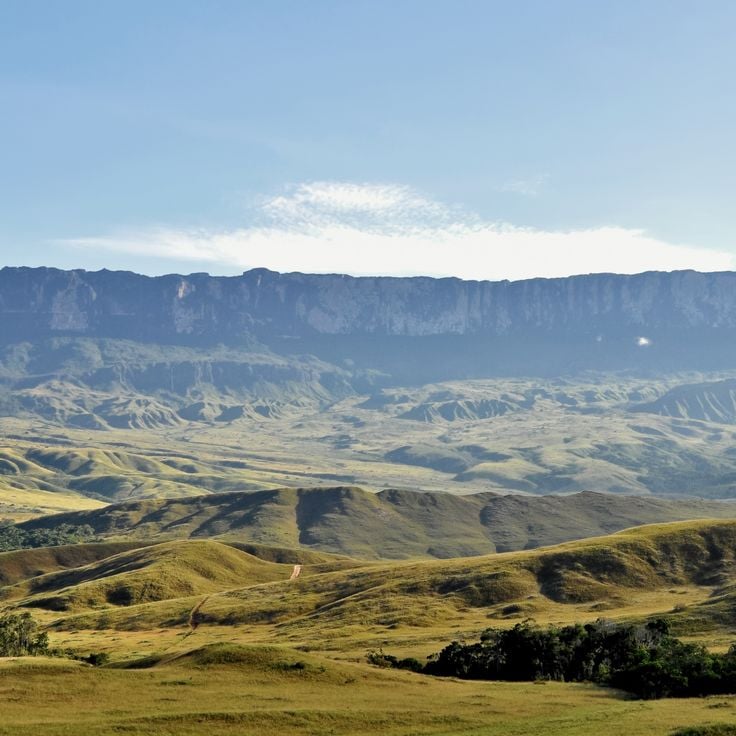
Mount Roraima Plateau is located in Roraima and represents the natural areas of Brazil that extend beyond major cities. The table mountain rises 2810 meters above sea level and hosts plant species found nowhere else on Earth. The plateau features waterfalls, canyons, and rock formations that shape the landscape.
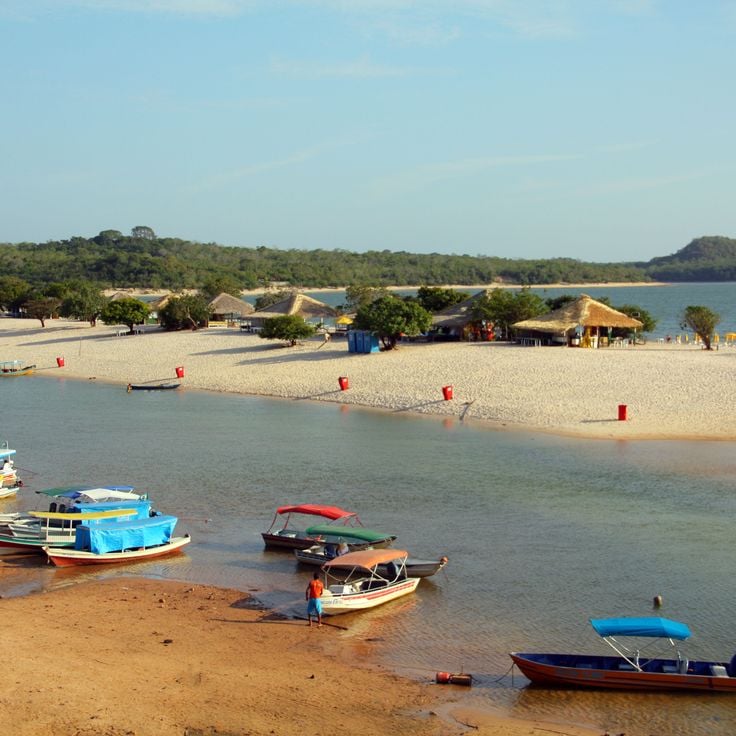
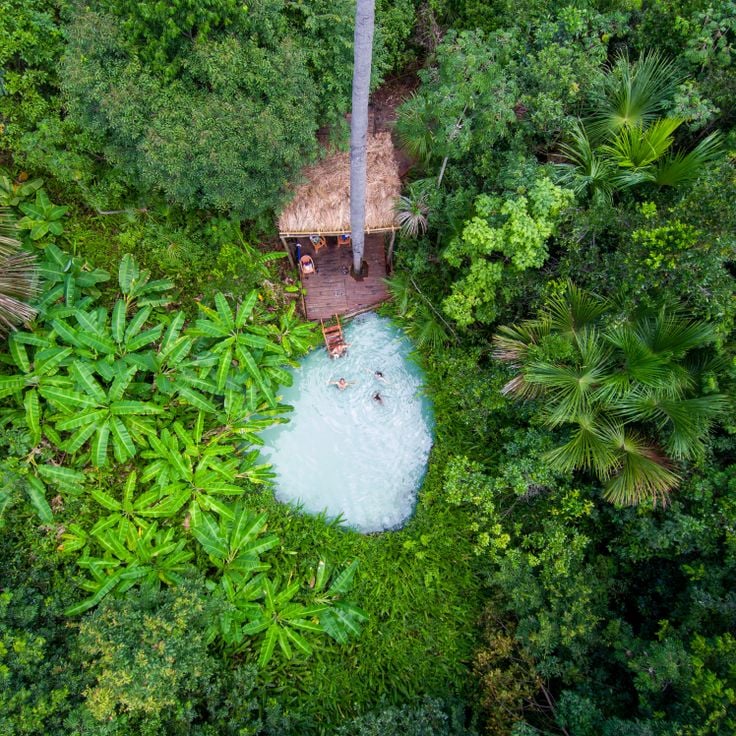
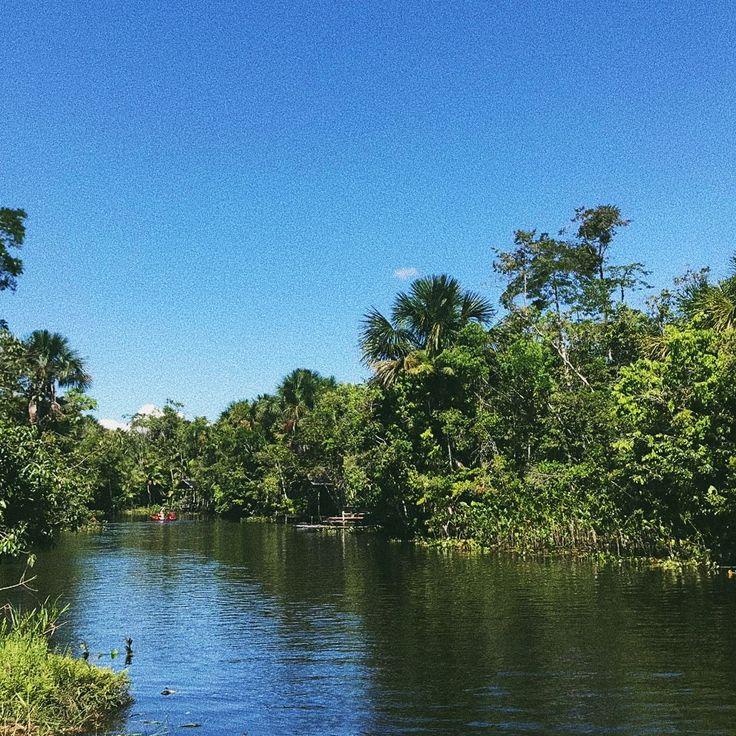
The Alter do Chão Forest in Pará is a rainforest that transforms with the seasons. During rainy periods, water fills the forest and creates channels throughout the area. Visitors walk through a landscape where trees rise from water and pathways change with the weather. This place shows how the Amazon adapts and changes with rainfall, making each visit different from the last.
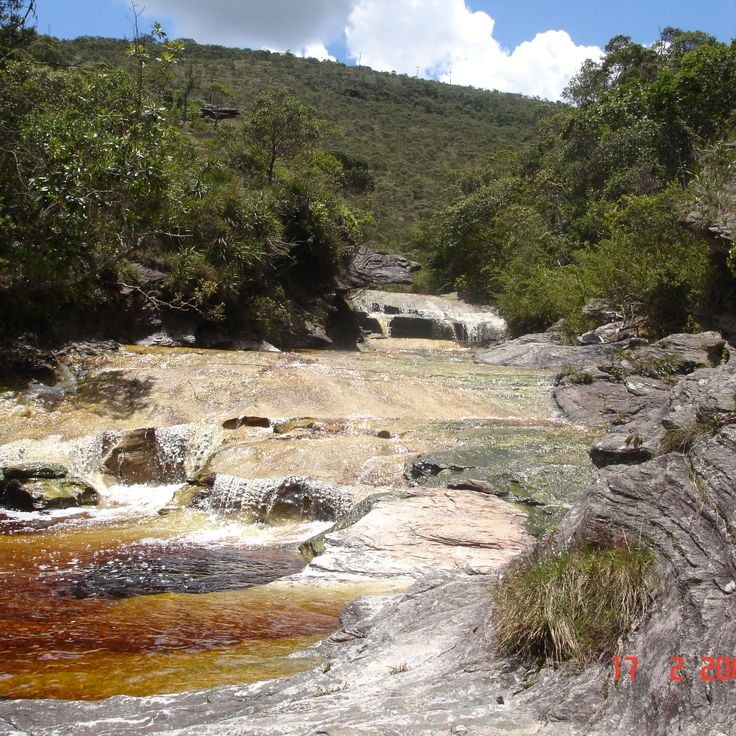
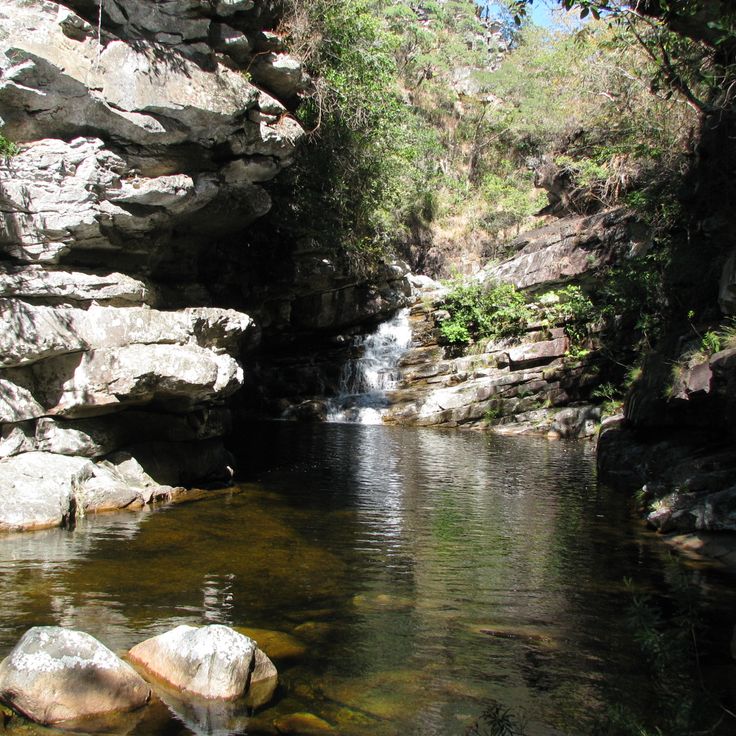
Ibitipoca State Park in Minas Gerais showcases the natural diversity of Brazil with caves, waterfalls, and natural pools. The park sits amid a landscape of quartzite rocks that create a distinctive terrain. Visitors walk through trails and explore the geological formations that shape this natural site.
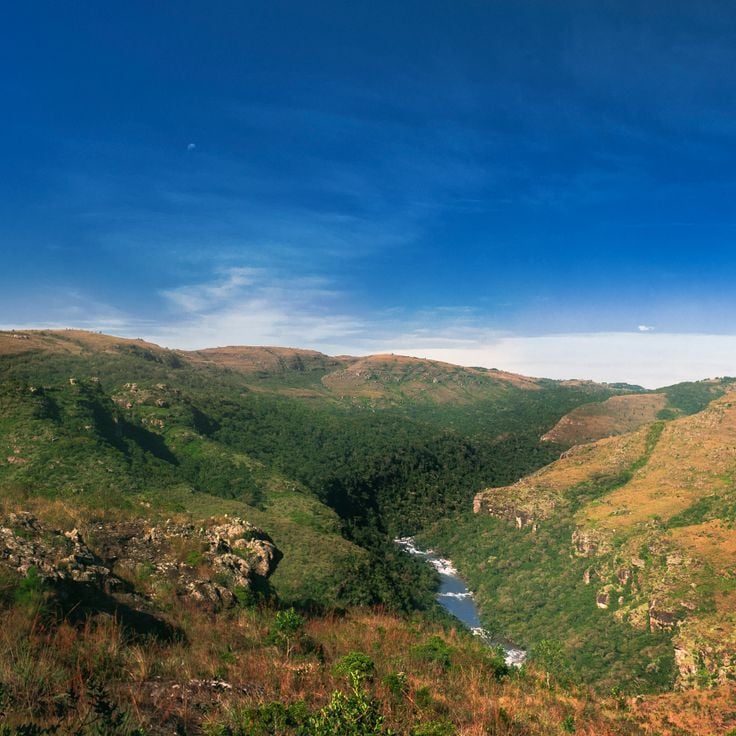
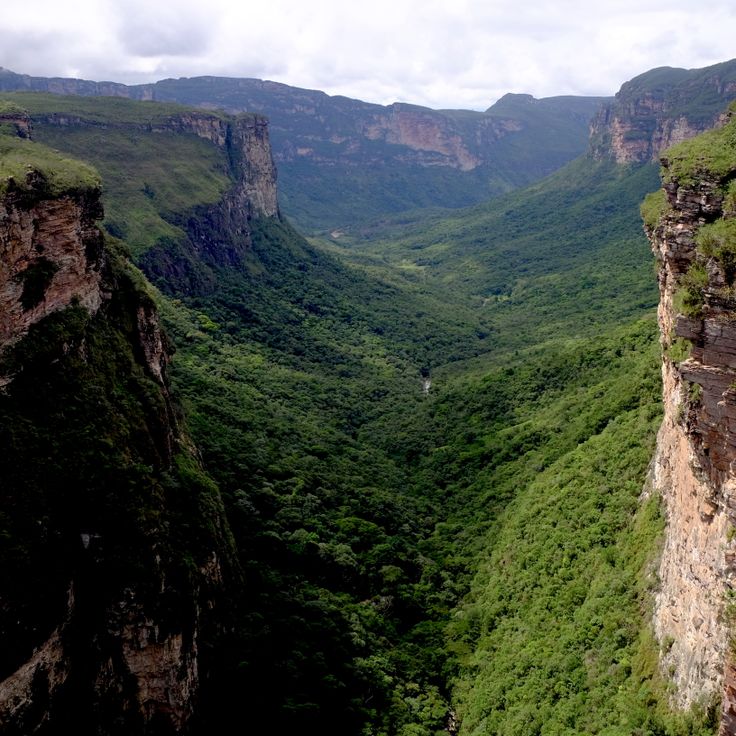
Guartelá Canyon is a natural formation in the state of Paraná that stretches about 32 kilometers through the landscape. The rock formations date back approximately 400 million years. The canyon shelters native vegetation and numerous animal species. This site shows the geological history of Brazil and offers a view of the natural landscape beyond the major cities.
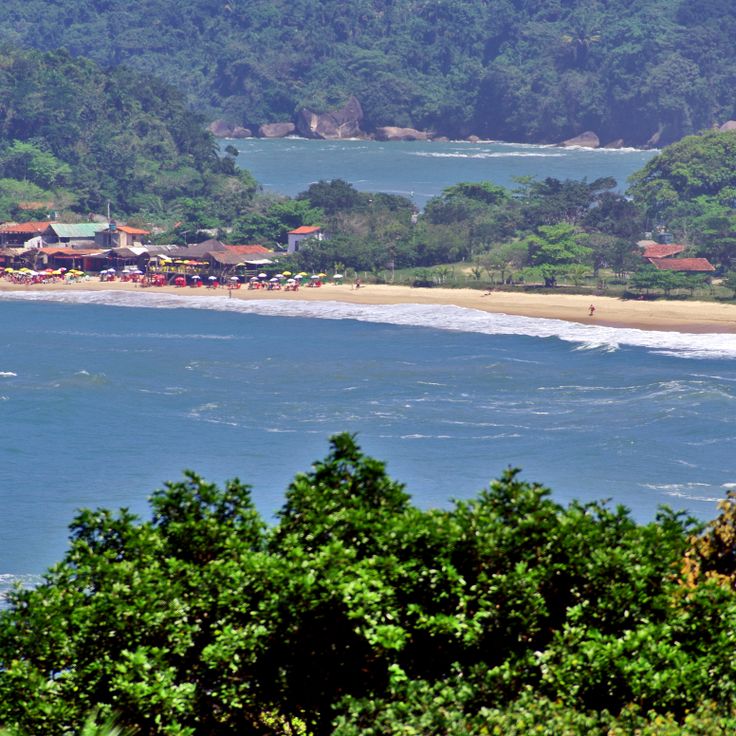
The forest paths of Trindade connect four beaches through Atlantic rainforest in this natural area of Rio de Janeiro. Local fishermen maintain these routes, which lead to natural pools and waterfalls. The paths show how people and nature coexist here.
Boipeba Island is a car-free island in the state of Bahia featuring about 20 kilometers of beaches and mangrove forests. The village is home to roughly 3,000 people who practice traditional fishing and maintain a simple way of life on the island. This place exemplifies Brazil's natural spots and local communities beyond major cities, showing how coastal regions and their inhabitants coexist.
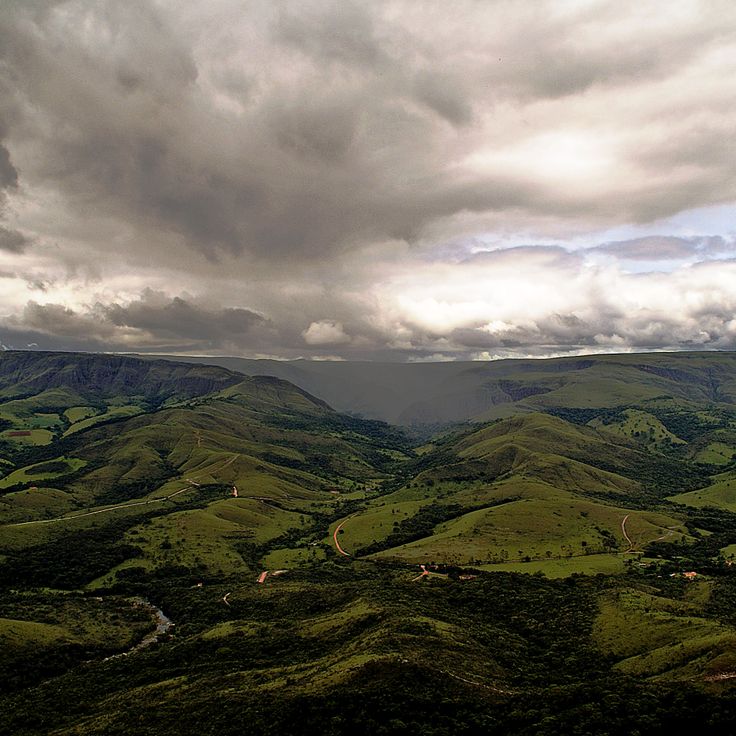
Serra da Canastra National Park contains a waterfall that drops over 200 meters within a mountain range. The park marks the source of the São Francisco River, one of Brazil's most important waterways. Visitors can view the falls from several viewpoints and walk through natural trails that wind through the landscape.
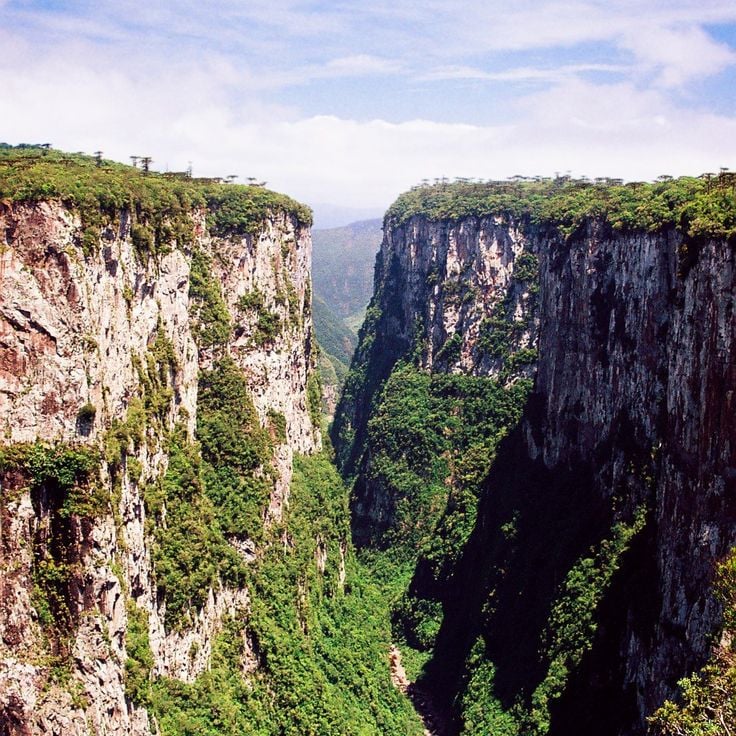
Itaimbezinho Canyon represents the natural diversity of Brazil beyond major urban centers. This canyon features vertical rock walls descending 720 meters, with waterfalls cascading along hiking trails and native plants growing throughout the landscape. Visitors can explore these geological formations and observe the local vegetation in a remote setting that showcases the country's varied natural environments.
Ilha Grande is an island off the coast of Rio de Janeiro with 193 kilometers of hiking paths through Atlantic rainforest. The island shows the natural variety that makes Brazil distinctive, with thick forest, mountainous terrain, and coastal areas. A former prison on the island recalls its past. Hikers find forests, beaches, and waterfalls in a protected setting.
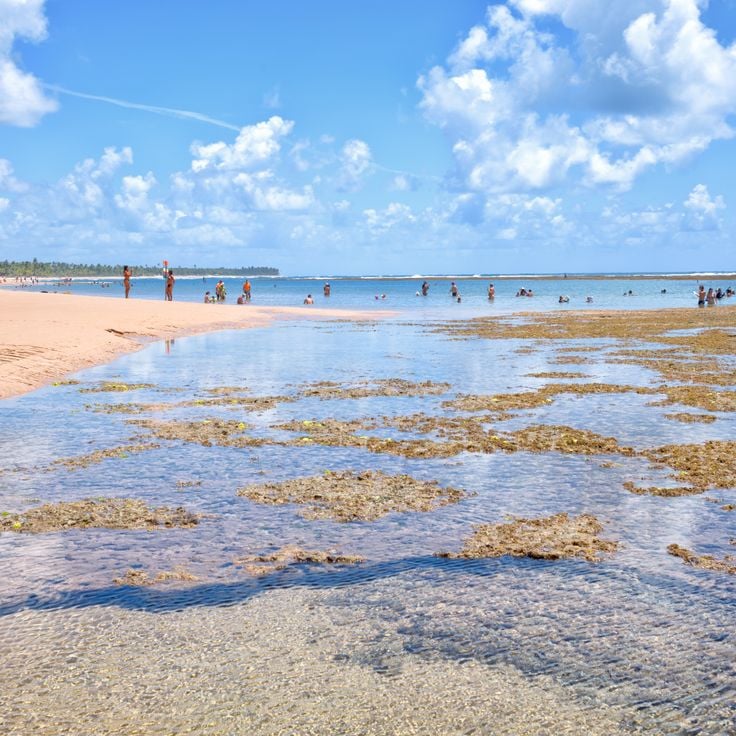
The Taipus de Fora Pools are natural basins that form at low tide and contain corals, starfish, and tropical fish. This location is part of Brazil's natural areas beyond major cities, where the landscape ranges from waterfalls and caves to coastal regions. The beach here extends several kilometers, offering visitors a chance to observe marine habitats up close.
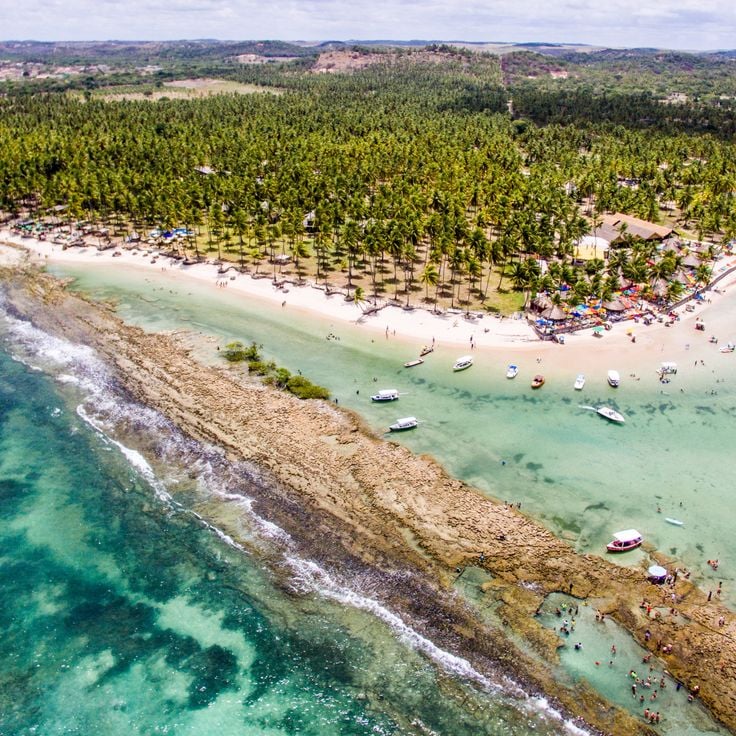
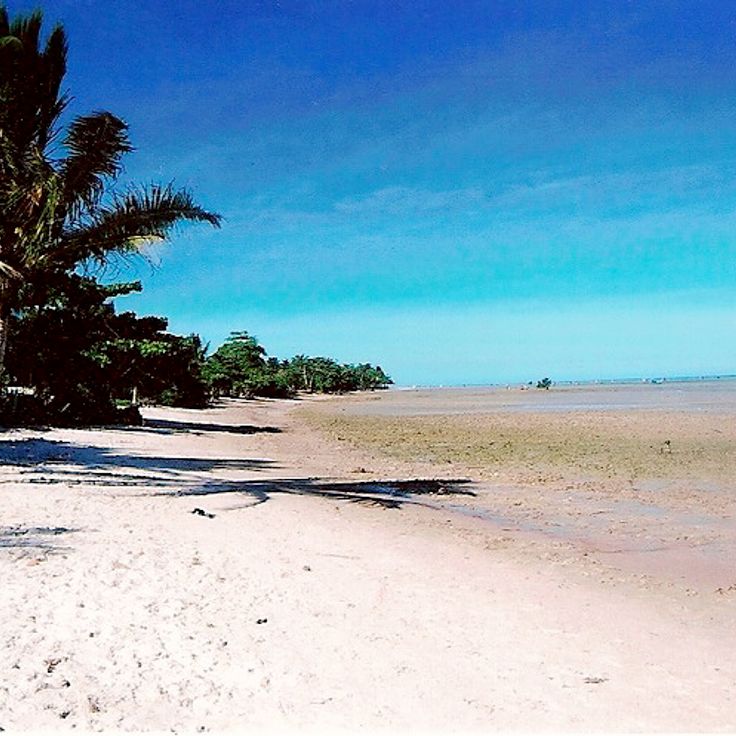
The Corumbau Peninsula in Bahia is a nature reserve with mangrove forests and home to indigenous Pataxó communities. The beaches are lined with coconut palms and offer a glimpse of life along the Brazilian coast. This location is part of Brazil's varied natural spaces, ranging from waterfalls to coastal regions.
Costa dos Corais is a coastal marine park in Alagoas and part of Brazil's natural areas beyond major cities. This park extends 135 kilometers and contains over 20 different coral species and numerous tropical fish. The protected area showcases the region's diverse marine life and offers insight into Brazil's coastal ecosystems.
Dunas do Rosado is a sand formation landscape along the coast of Rio Grande do Norte. These dunes rise to significant heights and stretch across the coastline. The site offers views of the Atlantic Ocean and shows how wind and water shape the land over time. This place represents the natural coastal areas that define much of Brazil beyond its major cities.
Vale do Pati is a valley in Bahia surrounded by mountains that reach about 1800 meters high. Numerous waterfalls flow through the landscape, and old coffee plantations dot the area. The place shows how nature and human history come together in this region.
The Fervedouros do Jalapão are natural springs in Tocantins where underground water currents stir up sand and cause people to float on the surface. These unusual waters form through geothermal activity and create a fascinating phenomenon that draws visitors from across the region. The water moves constantly, generating a gentle force that carries the body without any effort on your part.
The Arquipélago do Marajó is an island complex at the mouth of the Amazon River in Brazil's State of Pará. This natural area is home to water buffaloes, caimans, and numerous bird species. The archipelago represents the diverse landscapes found across Brazil, from river systems to coastal regions.
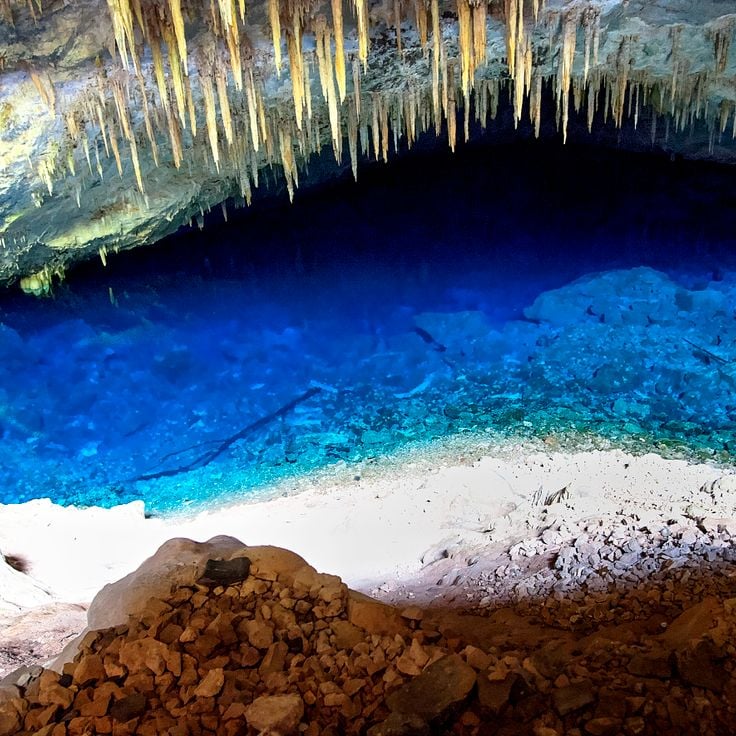
Gruta Azul is an underground cave in the state of Mato Grosso do Sul featuring a lake with clear water and limestone formations. Fish swim in the lake, surrounded by natural rock structures. This cave represents the natural areas and local sites that exist beyond Brazil's major cities.
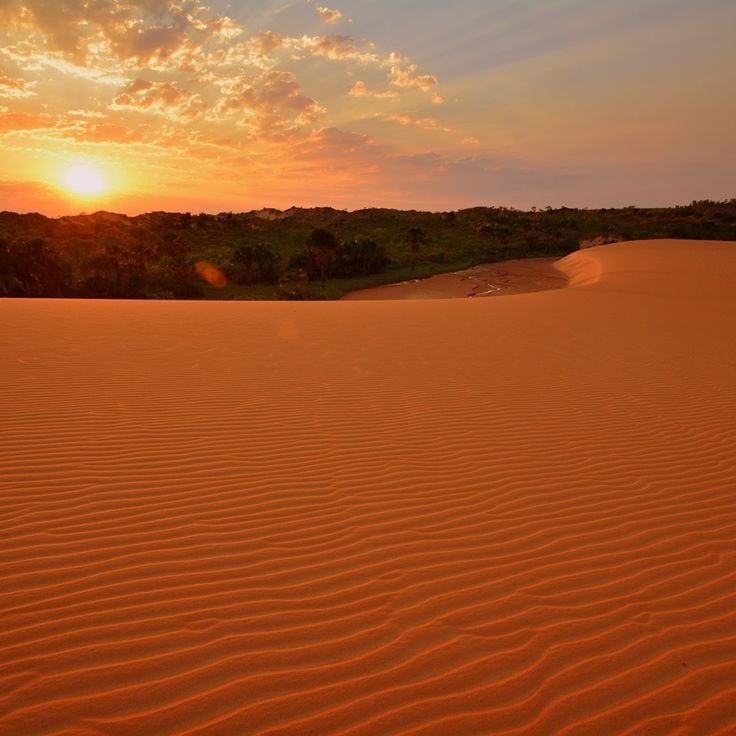
The Parque Estadual do Jalapão sits in the State of Tocantins and brings together sand dunes, waterfalls, and natural pools within a landscape of mountains and savannas. The park shows the varied nature of Brazil beyond major cities and offers visitors a place to explore the terrain and experience the water features.
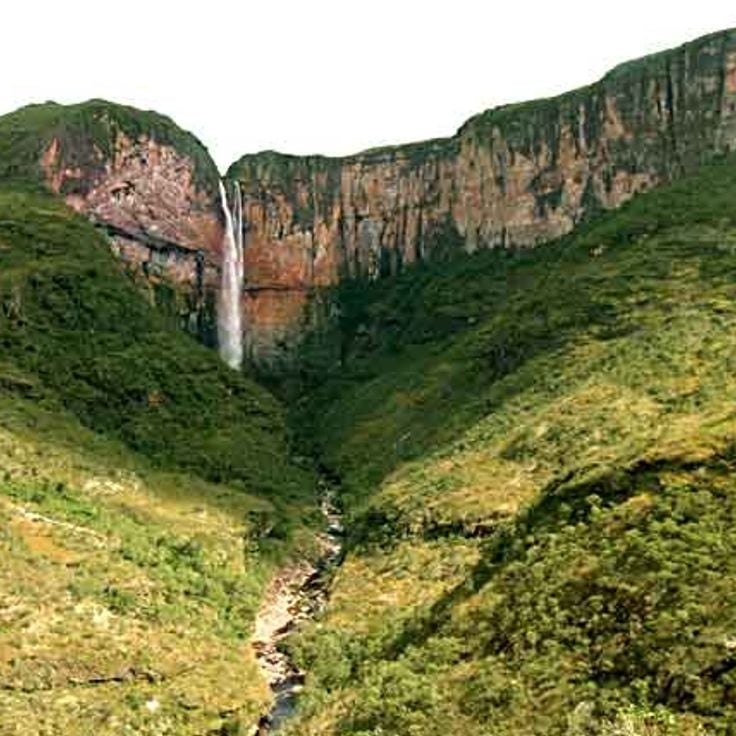
The Cachoeira do Tabuleiro is a 273-meter waterfall in the state of Minas Gerais and represents the natural spots that lie beyond Brazil's major cities. Surrounded by Atlantic rainforest and granite rocks, it exemplifies the country's varied landscape of waterfalls, caves, and mountain regions.
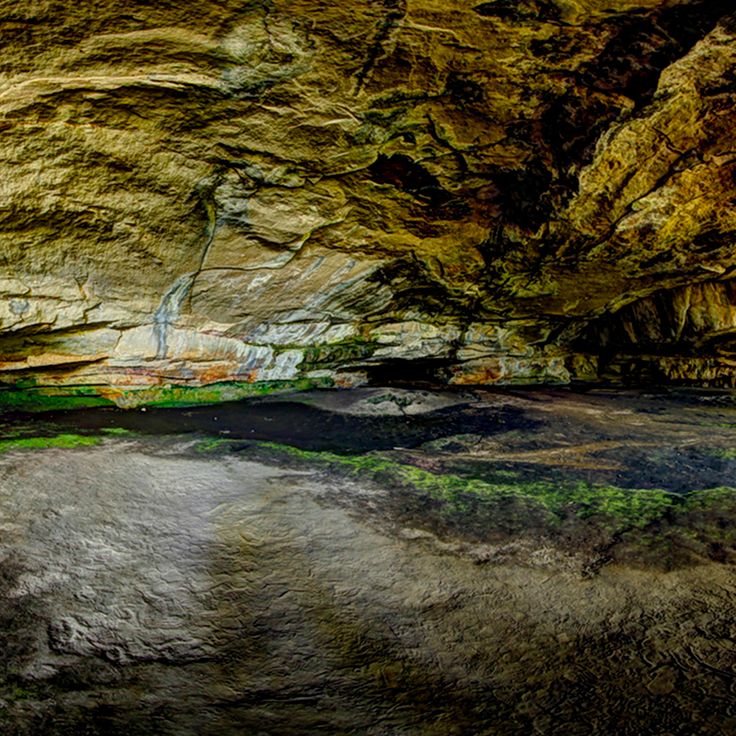
Caverna Aroe Jari is a sandstone cave in Mato Grosso, Brazil, that extends for a considerable distance and contains stalactites, stalagmites, and various mineral deposits. It is one of the natural sites in Brazil that lies beyond major cities and invites visitors to explore underground formations shaped by geological processes.
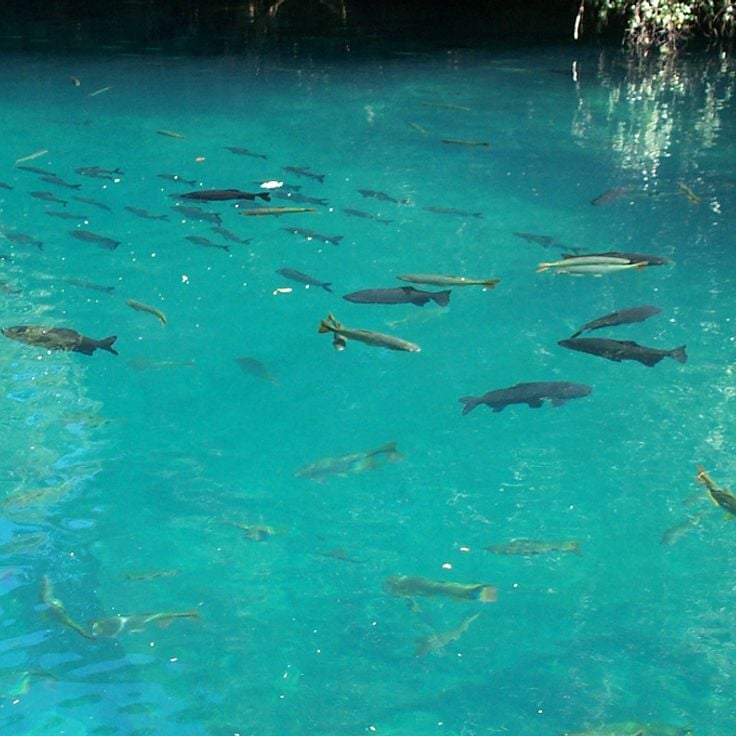
Rio da Prata is a river in Mato Grosso do Sul where over 50 fish species live in crystal waters. This river represents the natural areas and local sites that Brazil features beyond its major cities. The landscape of the country spans from waterfalls and caves to coastal regions and mountains, with natural parks containing sand formations, lagoons, and coral reefs.
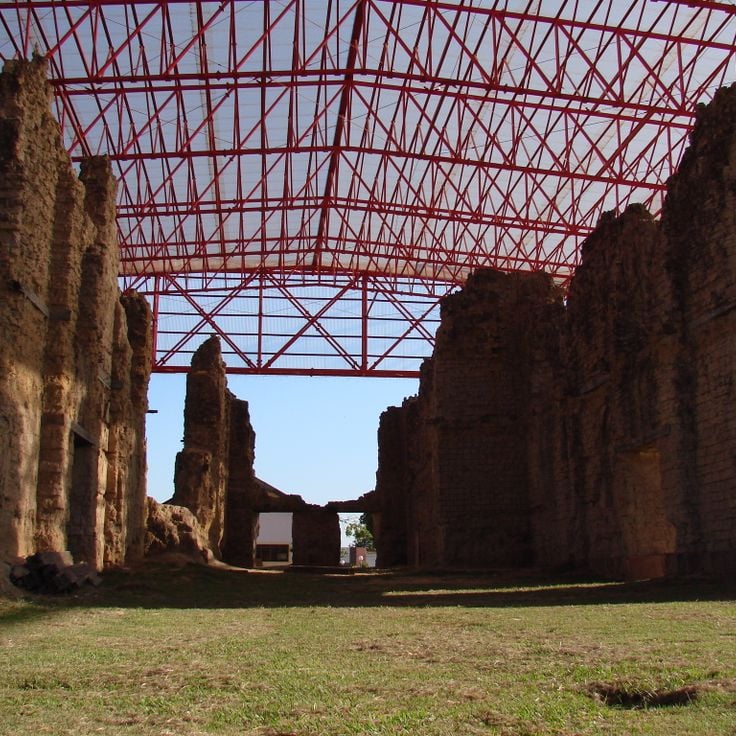
Vila Bela da Santíssima Trindade served as the first capital of the region from 1752 to 1835. The town displays colonial buildings from the 18th century that reflect the era's architecture. As a local site in Brazil, it offers insight into the region's history beyond major cities.
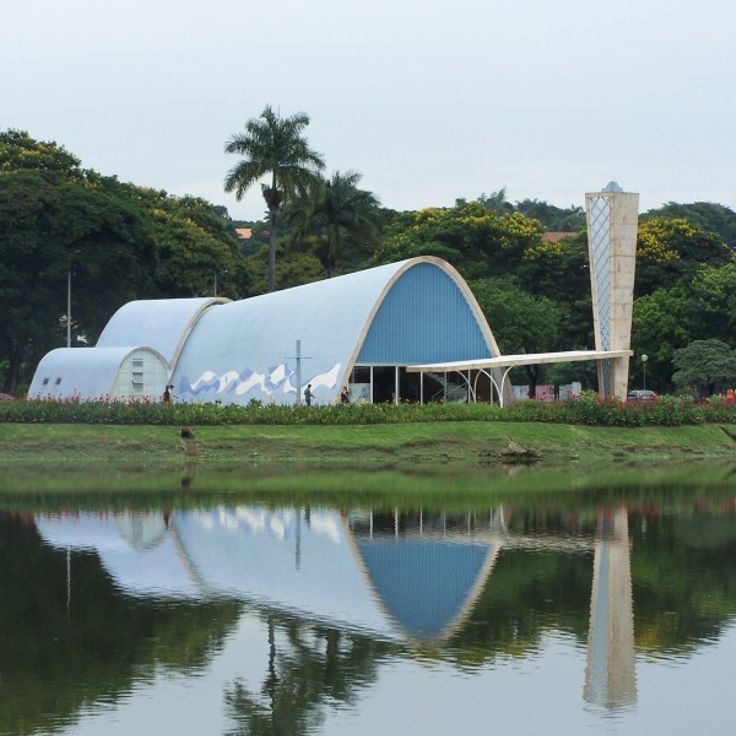
The Igrejinha da Pampulha is a church in Minas Gerais that represents one of Brazil's local cultural places beyond major cities. Built in 1943, it displays curved lines that define Brazilian modernist architecture and features wall paintings by Portinari. The structure reflects how local communities have shaped their spiritual and artistic spaces.
Ponta de Corumbau is a peninsula in Bahia that brings together natural beauty and local communities. Pataxó people have lived here for generations, and their presence shapes daily life on these shores. The coastline stretches for about 15 kilometers with sandy beaches and rocky outcrops. Coral reefs sit in shallow, clear waters close to the shore, making them accessible to visitors. The landscape shows how nature and human settlement coexist in this region.
Serra do Cipó National Park in Minas Gerais protects a large area with waterfalls, caves, and over 1,800 documented plant species. The park showcases Brazil's natural variety beyond major cities and offers visitors a sense of the country's diverse landscapes.
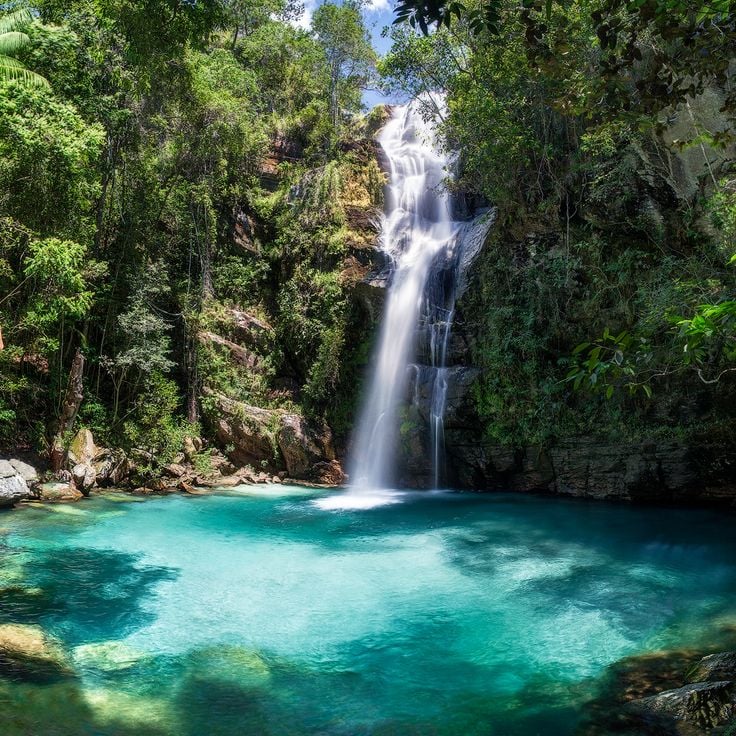
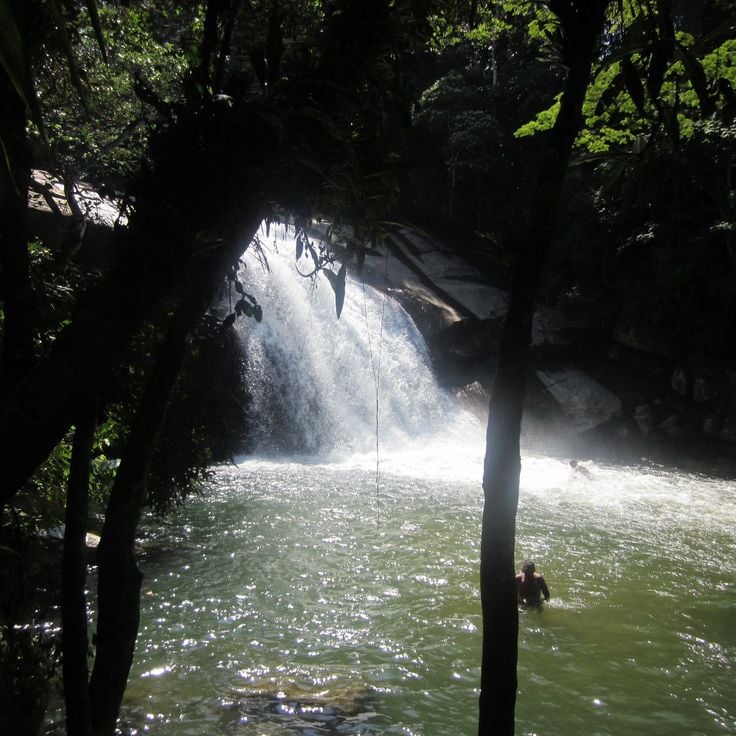
Cachoeira Santa Bárbara in Goiás is a natural site in Brazil where a 30-meter waterfall drops into a mineral pool surrounded by rock formations. The water remains clear and inviting, offering a glimpse of the country's diverse landscape that ranges from waterfalls and caves to coastal areas and mountains. This waterfall exemplifies the natural features found throughout Brazil's national parks and local destinations.
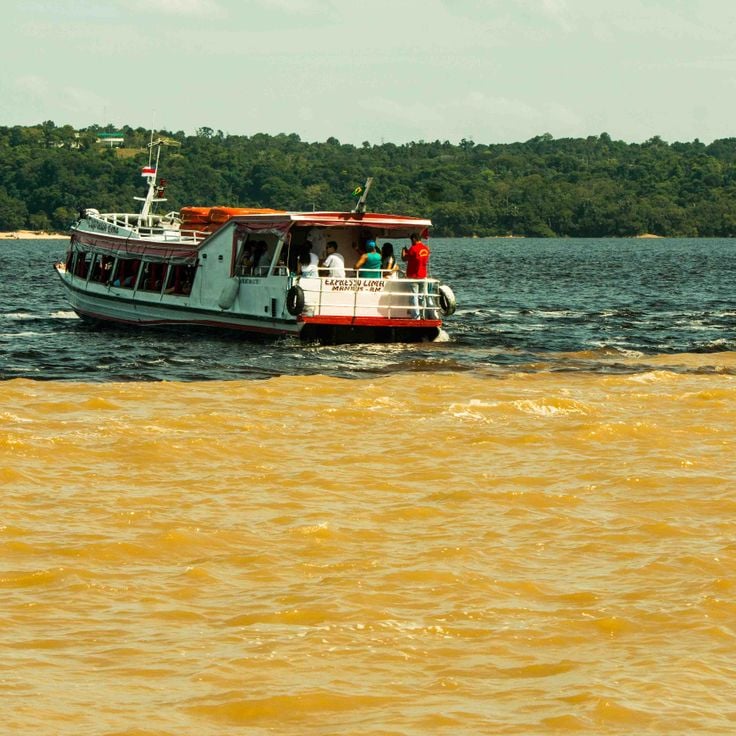
This natural phenomenon at Manaus shows where the dark waters of the Rio Negro and the light brown waters of the Amazon River flow side by side for several kilometers without immediately mixing. The site exemplifies Brazil's natural areas and local places beyond major cities, featuring landscapes that range from waterfalls and caves to coastal regions and mountains.
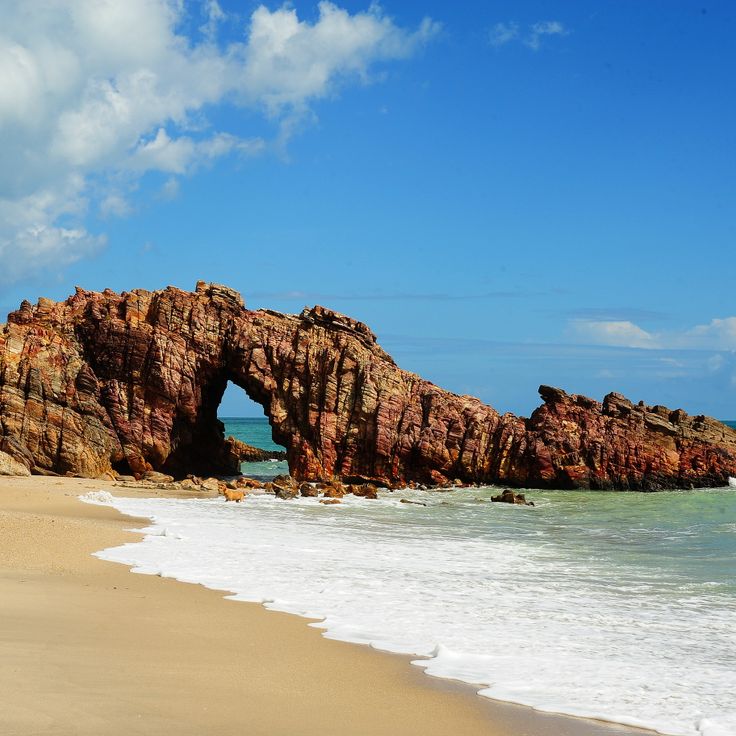
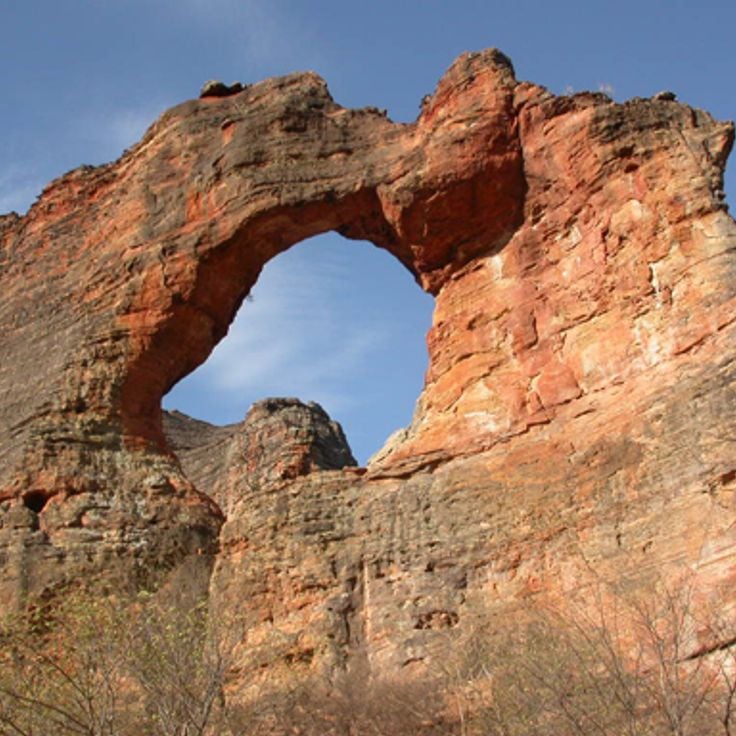
Pedra Furada is a natural stone arch on the beach at Jericoacoara that rises about 11 meters high. Wind and sea erosion have shaped this rock over thousands of years. As part of this collection of natural areas in Brazil, Pedra Furada shows how water and air slowly transform the landscape. Visitors can see this arch and understand how nature creates such formations.
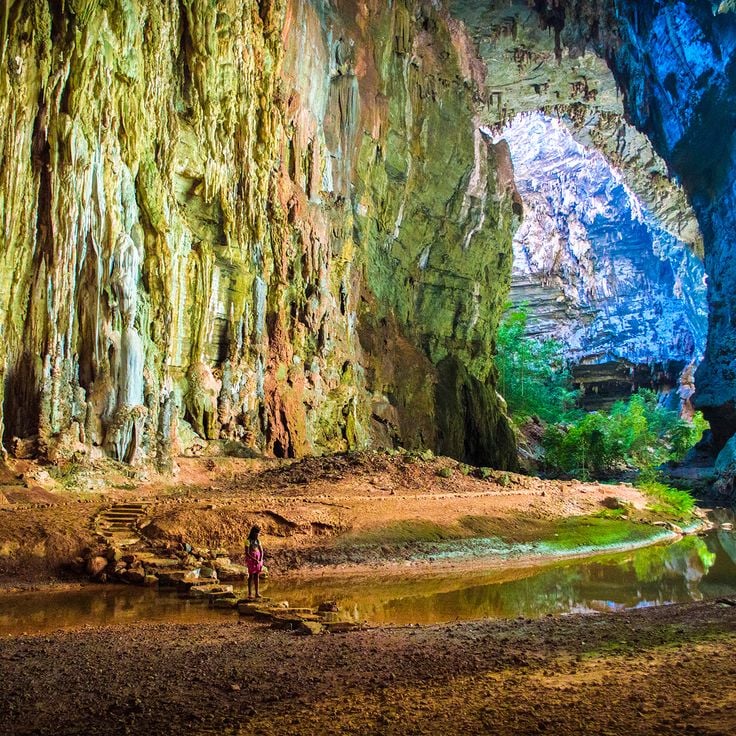
Cavernas do Peruaçu National Park features a system of approximately 140 documented caves located in this natural area of Brazil. The caves hold prehistoric drawings, fossils, and archaeological sites from the Pleistocene period. This park shows how humans lived in the region thousands of years ago and reveals the natural history of the landscape.
Prumirim Waterfall is located in a conservation area near Ubatuba and displays the natural beauty of Brazil's Atlantic coast. Water drops about 8 meters, creating a refreshing natural sight. Around the waterfall grow plant species found only on the Atlantic coast. This place is one of many natural spots in Brazil beyond major cities that show the country's natural variety.
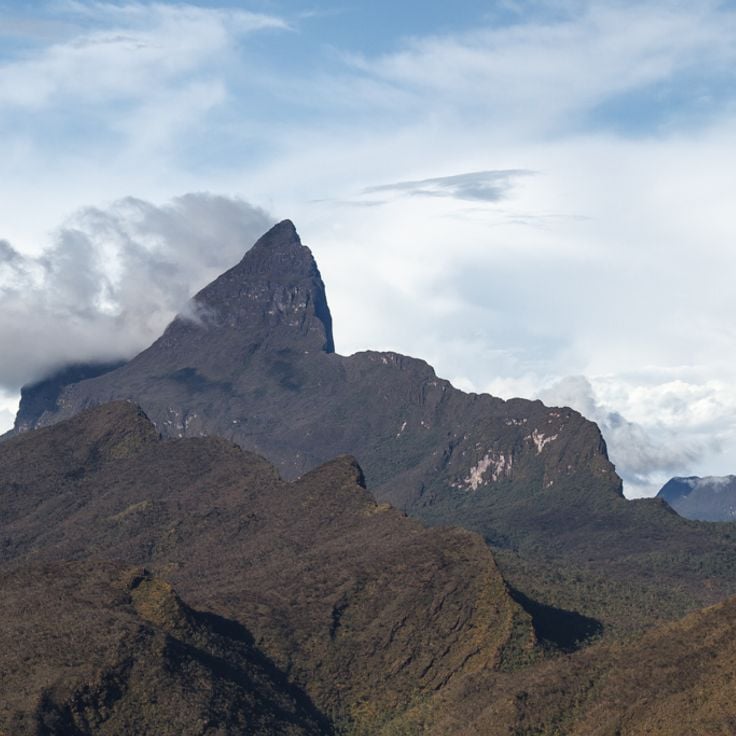
Pico da Neblina is a 2995-meter mountain in the Amazon region. It stands within a national park and is considered sacred by indigenous peoples. This mountain is part of Brazil's natural areas beyond major cities, part of a landscape that includes waterfalls, caves, and mountain ranges.
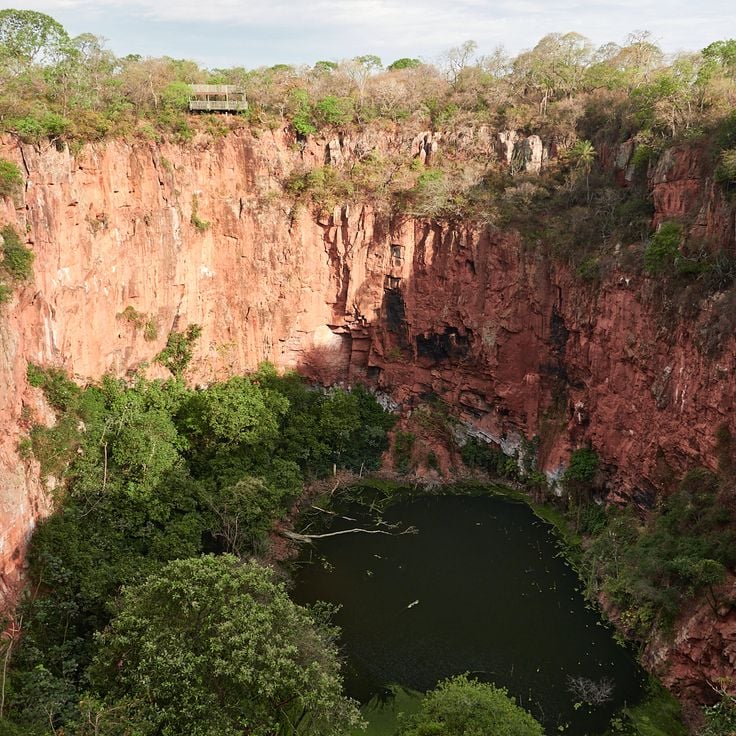
Buraco das Araras is a deep crater in Mato Grosso do Sul that houses more than 100 macaws and other bird species. This natural sinkhole offers a view into the birdlife of Brazil and shows how animals live in these distinctive landscapes. The place represents one of Brazil's natural areas beyond major cities, displaying the diversity of the landscape from waterfalls and caves to mountain regions.
Vale da Lua is located in Chapada dos Veadeiros National Park and features rock formations with a surface that resembles the moon's geology. The stones have depressions and grooves carved into them. This site represents one of Brazil's natural areas beyond major cities, where visitors can experience the raw character of the landscape.
The beaches of Fernando de Noronha sit on an archipelago off the coast of Pernambuco and showcase clear waters, coral reefs and sea turtles. This location is part of Brazil's natural sites beyond major cities and operates under strict protection rules that limit visitor numbers to safeguard the fragile environment.
Jericoacoara Dunes are sand formations in Ceará, Brazil, rising up to 30 meters above sea level. The wind reshapes the dune landscape daily. This site fits into the collection of natural areas and local places in Brazil, where sand formations and coastal regions create distinctive landscapes.
Ilha do Cardoso is located off the coast of São Paulo and represents the natural places Brazil has to offer beyond its major cities. The island contains mangroves, rainforests and beaches where birds, monkeys and sea turtles inhabit their natural environments.
The Lençóis Maranhenses Lagoons form between January and June when rainfall fills the spaces between sand dunes in the national park with blue water pools. This natural spot in Brazil shows how water and sand create an ever-changing landscape that visitors can explore and experience.
Mount Roraima Plateau is located in Roraima and represents the natural areas of Brazil that extend beyond major cities. The table mountain rises 2810 meters above sea level and hosts plant species found nowhere else on Earth. The plateau features waterfalls, canyons, and rock formations that shape the landscape.
The Alter do Chão Forest in Pará is a rainforest that transforms with the seasons. During rainy periods, water fills the forest and creates channels throughout the area. Visitors walk through a landscape where trees rise from water and pathways change with the weather. This place shows how the Amazon adapts and changes with rainfall, making each visit different from the last.
Ibitipoca State Park in Minas Gerais showcases the natural diversity of Brazil with caves, waterfalls, and natural pools. The park sits amid a landscape of quartzite rocks that create a distinctive terrain. Visitors walk through trails and explore the geological formations that shape this natural site.
Guartelá Canyon is a natural formation in the state of Paraná that stretches about 32 kilometers through the landscape. The rock formations date back approximately 400 million years. The canyon shelters native vegetation and numerous animal species. This site shows the geological history of Brazil and offers a view of the natural landscape beyond the major cities.
The forest paths of Trindade connect four beaches through Atlantic rainforest in this natural area of Rio de Janeiro. Local fishermen maintain these routes, which lead to natural pools and waterfalls. The paths show how people and nature coexist here.
Boipeba Island is a car-free island in the state of Bahia featuring about 20 kilometers of beaches and mangrove forests. The village is home to roughly 3,000 people who practice traditional fishing and maintain a simple way of life on the island. This place exemplifies Brazil's natural spots and local communities beyond major cities, showing how coastal regions and their inhabitants coexist.
Serra da Canastra National Park contains a waterfall that drops over 200 meters within a mountain range. The park marks the source of the São Francisco River, one of Brazil's most important waterways. Visitors can view the falls from several viewpoints and walk through natural trails that wind through the landscape.
Itaimbezinho Canyon represents the natural diversity of Brazil beyond major urban centers. This canyon features vertical rock walls descending 720 meters, with waterfalls cascading along hiking trails and native plants growing throughout the landscape. Visitors can explore these geological formations and observe the local vegetation in a remote setting that showcases the country's varied natural environments.
Ilha Grande is an island off the coast of Rio de Janeiro with 193 kilometers of hiking paths through Atlantic rainforest. The island shows the natural variety that makes Brazil distinctive, with thick forest, mountainous terrain, and coastal areas. A former prison on the island recalls its past. Hikers find forests, beaches, and waterfalls in a protected setting.
The Taipus de Fora Pools are natural basins that form at low tide and contain corals, starfish, and tropical fish. This location is part of Brazil's natural areas beyond major cities, where the landscape ranges from waterfalls and caves to coastal regions. The beach here extends several kilometers, offering visitors a chance to observe marine habitats up close.
The Corumbau Peninsula in Bahia is a nature reserve with mangrove forests and home to indigenous Pataxó communities. The beaches are lined with coconut palms and offer a glimpse of life along the Brazilian coast. This location is part of Brazil's varied natural spaces, ranging from waterfalls to coastal regions.
Costa dos Corais is a coastal marine park in Alagoas and part of Brazil's natural areas beyond major cities. This park extends 135 kilometers and contains over 20 different coral species and numerous tropical fish. The protected area showcases the region's diverse marine life and offers insight into Brazil's coastal ecosystems.
Dunas do Rosado is a sand formation landscape along the coast of Rio Grande do Norte. These dunes rise to significant heights and stretch across the coastline. The site offers views of the Atlantic Ocean and shows how wind and water shape the land over time. This place represents the natural coastal areas that define much of Brazil beyond its major cities.
Vale do Pati is a valley in Bahia surrounded by mountains that reach about 1800 meters high. Numerous waterfalls flow through the landscape, and old coffee plantations dot the area. The place shows how nature and human history come together in this region.
The Fervedouros do Jalapão are natural springs in Tocantins where underground water currents stir up sand and cause people to float on the surface. These unusual waters form through geothermal activity and create a fascinating phenomenon that draws visitors from across the region. The water moves constantly, generating a gentle force that carries the body without any effort on your part.
The Arquipélago do Marajó is an island complex at the mouth of the Amazon River in Brazil's State of Pará. This natural area is home to water buffaloes, caimans, and numerous bird species. The archipelago represents the diverse landscapes found across Brazil, from river systems to coastal regions.
Gruta Azul is an underground cave in the state of Mato Grosso do Sul featuring a lake with clear water and limestone formations. Fish swim in the lake, surrounded by natural rock structures. This cave represents the natural areas and local sites that exist beyond Brazil's major cities.
The Parque Estadual do Jalapão sits in the State of Tocantins and brings together sand dunes, waterfalls, and natural pools within a landscape of mountains and savannas. The park shows the varied nature of Brazil beyond major cities and offers visitors a place to explore the terrain and experience the water features.
The Cachoeira do Tabuleiro is a 273-meter waterfall in the state of Minas Gerais and represents the natural spots that lie beyond Brazil's major cities. Surrounded by Atlantic rainforest and granite rocks, it exemplifies the country's varied landscape of waterfalls, caves, and mountain regions.
Caverna Aroe Jari is a sandstone cave in Mato Grosso, Brazil, that extends for a considerable distance and contains stalactites, stalagmites, and various mineral deposits. It is one of the natural sites in Brazil that lies beyond major cities and invites visitors to explore underground formations shaped by geological processes.
Rio da Prata is a river in Mato Grosso do Sul where over 50 fish species live in crystal waters. This river represents the natural areas and local sites that Brazil features beyond its major cities. The landscape of the country spans from waterfalls and caves to coastal regions and mountains, with natural parks containing sand formations, lagoons, and coral reefs.
Vila Bela da Santíssima Trindade served as the first capital of the region from 1752 to 1835. The town displays colonial buildings from the 18th century that reflect the era's architecture. As a local site in Brazil, it offers insight into the region's history beyond major cities.
The Igrejinha da Pampulha is a church in Minas Gerais that represents one of Brazil's local cultural places beyond major cities. Built in 1943, it displays curved lines that define Brazilian modernist architecture and features wall paintings by Portinari. The structure reflects how local communities have shaped their spiritual and artistic spaces.
Ponta de Corumbau is a peninsula in Bahia that brings together natural beauty and local communities. Pataxó people have lived here for generations, and their presence shapes daily life on these shores. The coastline stretches for about 15 kilometers with sandy beaches and rocky outcrops. Coral reefs sit in shallow, clear waters close to the shore, making them accessible to visitors. The landscape shows how nature and human settlement coexist in this region.
Serra do Cipó National Park in Minas Gerais protects a large area with waterfalls, caves, and over 1,800 documented plant species. The park showcases Brazil's natural variety beyond major cities and offers visitors a sense of the country's diverse landscapes.
Cachoeira Santa Bárbara in Goiás is a natural site in Brazil where a 30-meter waterfall drops into a mineral pool surrounded by rock formations. The water remains clear and inviting, offering a glimpse of the country's diverse landscape that ranges from waterfalls and caves to coastal areas and mountains. This waterfall exemplifies the natural features found throughout Brazil's national parks and local destinations.
This natural phenomenon at Manaus shows where the dark waters of the Rio Negro and the light brown waters of the Amazon River flow side by side for several kilometers without immediately mixing. The site exemplifies Brazil's natural areas and local places beyond major cities, featuring landscapes that range from waterfalls and caves to coastal regions and mountains.
Pedra Furada is a natural stone arch on the beach at Jericoacoara that rises about 11 meters high. Wind and sea erosion have shaped this rock over thousands of years. As part of this collection of natural areas in Brazil, Pedra Furada shows how water and air slowly transform the landscape. Visitors can see this arch and understand how nature creates such formations.
Cavernas do Peruaçu National Park features a system of approximately 140 documented caves located in this natural area of Brazil. The caves hold prehistoric drawings, fossils, and archaeological sites from the Pleistocene period. This park shows how humans lived in the region thousands of years ago and reveals the natural history of the landscape.
Prumirim Waterfall is located in a conservation area near Ubatuba and displays the natural beauty of Brazil's Atlantic coast. Water drops about 8 meters, creating a refreshing natural sight. Around the waterfall grow plant species found only on the Atlantic coast. This place is one of many natural spots in Brazil beyond major cities that show the country's natural variety.
Pico da Neblina is a 2995-meter mountain in the Amazon region. It stands within a national park and is considered sacred by indigenous peoples. This mountain is part of Brazil's natural areas beyond major cities, part of a landscape that includes waterfalls, caves, and mountain ranges.
Buraco das Araras is a deep crater in Mato Grosso do Sul that houses more than 100 macaws and other bird species. This natural sinkhole offers a view into the birdlife of Brazil and shows how animals live in these distinctive landscapes. The place represents one of Brazil's natural areas beyond major cities, displaying the diversity of the landscape from waterfalls and caves to mountain regions.
Vale da Lua is located in Chapada dos Veadeiros National Park and features rock formations with a surface that resembles the moon's geology. The stones have depressions and grooves carved into them. This site represents one of Brazil's natural areas beyond major cities, where visitors can experience the raw character of the landscape.
The beaches of Fernando de Noronha sit on an archipelago off the coast of Pernambuco and showcase clear waters, coral reefs and sea turtles. This location is part of Brazil's natural sites beyond major cities and operates under strict protection rules that limit visitor numbers to safeguard the fragile environment.
Jericoacoara Dunes are sand formations in Ceará, Brazil, rising up to 30 meters above sea level. The wind reshapes the dune landscape daily. This site fits into the collection of natural areas and local places in Brazil, where sand formations and coastal regions create distinctive landscapes.
Ilha do Cardoso is located off the coast of São Paulo and represents the natural places Brazil has to offer beyond its major cities. The island contains mangroves, rainforests and beaches where birds, monkeys and sea turtles inhabit their natural environments.
The Lençóis Maranhenses Lagoons form between January and June when rainfall fills the spaces between sand dunes in the national park with blue water pools. This natural spot in Brazil shows how water and sand create an ever-changing landscape that visitors can explore and experience.
Mount Roraima Plateau is located in Roraima and represents the natural areas of Brazil that extend beyond major cities. The table mountain rises 2810 meters above sea level and hosts plant species found nowhere else on Earth. The plateau features waterfalls, canyons, and rock formations that shape the landscape.
The Alter do Chão Forest in Pará is a rainforest that transforms with the seasons. During rainy periods, water fills the forest and creates channels throughout the area. Visitors walk through a landscape where trees rise from water and pathways change with the weather. This place shows how the Amazon adapts and changes with rainfall, making each visit different from the last.
Ibitipoca State Park in Minas Gerais showcases the natural diversity of Brazil with caves, waterfalls, and natural pools. The park sits amid a landscape of quartzite rocks that create a distinctive terrain. Visitors walk through trails and explore the geological formations that shape this natural site.
Guartelá Canyon is a natural formation in the state of Paraná that stretches about 32 kilometers through the landscape. The rock formations date back approximately 400 million years. The canyon shelters native vegetation and numerous animal species. This site shows the geological history of Brazil and offers a view of the natural landscape beyond the major cities.
The forest paths of Trindade connect four beaches through Atlantic rainforest in this natural area of Rio de Janeiro. Local fishermen maintain these routes, which lead to natural pools and waterfalls. The paths show how people and nature coexist here.
Boipeba Island is a car-free island in the state of Bahia featuring about 20 kilometers of beaches and mangrove forests. The village is home to roughly 3,000 people who practice traditional fishing and maintain a simple way of life on the island. This place exemplifies Brazil's natural spots and local communities beyond major cities, showing how coastal regions and their inhabitants coexist.
Serra da Canastra National Park contains a waterfall that drops over 200 meters within a mountain range. The park marks the source of the São Francisco River, one of Brazil's most important waterways. Visitors can view the falls from several viewpoints and walk through natural trails that wind through the landscape.
Itaimbezinho Canyon represents the natural diversity of Brazil beyond major urban centers. This canyon features vertical rock walls descending 720 meters, with waterfalls cascading along hiking trails and native plants growing throughout the landscape. Visitors can explore these geological formations and observe the local vegetation in a remote setting that showcases the country's varied natural environments.
Ilha Grande is an island off the coast of Rio de Janeiro with 193 kilometers of hiking paths through Atlantic rainforest. The island shows the natural variety that makes Brazil distinctive, with thick forest, mountainous terrain, and coastal areas. A former prison on the island recalls its past. Hikers find forests, beaches, and waterfalls in a protected setting.
The Taipus de Fora Pools are natural basins that form at low tide and contain corals, starfish, and tropical fish. This location is part of Brazil's natural areas beyond major cities, where the landscape ranges from waterfalls and caves to coastal regions. The beach here extends several kilometers, offering visitors a chance to observe marine habitats up close.
The Corumbau Peninsula in Bahia is a nature reserve with mangrove forests and home to indigenous Pataxó communities. The beaches are lined with coconut palms and offer a glimpse of life along the Brazilian coast. This location is part of Brazil's varied natural spaces, ranging from waterfalls to coastal regions.
Costa dos Corais is a coastal marine park in Alagoas and part of Brazil's natural areas beyond major cities. This park extends 135 kilometers and contains over 20 different coral species and numerous tropical fish. The protected area showcases the region's diverse marine life and offers insight into Brazil's coastal ecosystems.
Dunas do Rosado is a sand formation landscape along the coast of Rio Grande do Norte. These dunes rise to significant heights and stretch across the coastline. The site offers views of the Atlantic Ocean and shows how wind and water shape the land over time. This place represents the natural coastal areas that define much of Brazil beyond its major cities.
Vale do Pati is a valley in Bahia surrounded by mountains that reach about 1800 meters high. Numerous waterfalls flow through the landscape, and old coffee plantations dot the area. The place shows how nature and human history come together in this region.
The Fervedouros do Jalapão are natural springs in Tocantins where underground water currents stir up sand and cause people to float on the surface. These unusual waters form through geothermal activity and create a fascinating phenomenon that draws visitors from across the region. The water moves constantly, generating a gentle force that carries the body without any effort on your part.
The Arquipélago do Marajó is an island complex at the mouth of the Amazon River in Brazil's State of Pará. This natural area is home to water buffaloes, caimans, and numerous bird species. The archipelago represents the diverse landscapes found across Brazil, from river systems to coastal regions.
Gruta Azul is an underground cave in the state of Mato Grosso do Sul featuring a lake with clear water and limestone formations. Fish swim in the lake, surrounded by natural rock structures. This cave represents the natural areas and local sites that exist beyond Brazil's major cities.
The Parque Estadual do Jalapão sits in the State of Tocantins and brings together sand dunes, waterfalls, and natural pools within a landscape of mountains and savannas. The park shows the varied nature of Brazil beyond major cities and offers visitors a place to explore the terrain and experience the water features.
The Cachoeira do Tabuleiro is a 273-meter waterfall in the state of Minas Gerais and represents the natural spots that lie beyond Brazil's major cities. Surrounded by Atlantic rainforest and granite rocks, it exemplifies the country's varied landscape of waterfalls, caves, and mountain regions.
Caverna Aroe Jari is a sandstone cave in Mato Grosso, Brazil, that extends for a considerable distance and contains stalactites, stalagmites, and various mineral deposits. It is one of the natural sites in Brazil that lies beyond major cities and invites visitors to explore underground formations shaped by geological processes.
Rio da Prata is a river in Mato Grosso do Sul where over 50 fish species live in crystal waters. This river represents the natural areas and local sites that Brazil features beyond its major cities. The landscape of the country spans from waterfalls and caves to coastal regions and mountains, with natural parks containing sand formations, lagoons, and coral reefs.
Vila Bela da Santíssima Trindade served as the first capital of the region from 1752 to 1835. The town displays colonial buildings from the 18th century that reflect the era's architecture. As a local site in Brazil, it offers insight into the region's history beyond major cities.
The Igrejinha da Pampulha is a church in Minas Gerais that represents one of Brazil's local cultural places beyond major cities. Built in 1943, it displays curved lines that define Brazilian modernist architecture and features wall paintings by Portinari. The structure reflects how local communities have shaped their spiritual and artistic spaces.
Ponta de Corumbau is a peninsula in Bahia that brings together natural beauty and local communities. Pataxó people have lived here for generations, and their presence shapes daily life on these shores. The coastline stretches for about 15 kilometers with sandy beaches and rocky outcrops. Coral reefs sit in shallow, clear waters close to the shore, making them accessible to visitors. The landscape shows how nature and human settlement coexist in this region.
Serra do Cipó National Park in Minas Gerais protects a large area with waterfalls, caves, and over 1,800 documented plant species. The park showcases Brazil's natural variety beyond major cities and offers visitors a sense of the country's diverse landscapes.
Cachoeira Santa Bárbara in Goiás is a natural site in Brazil where a 30-meter waterfall drops into a mineral pool surrounded by rock formations. The water remains clear and inviting, offering a glimpse of the country's diverse landscape that ranges from waterfalls and caves to coastal areas and mountains. This waterfall exemplifies the natural features found throughout Brazil's national parks and local destinations.
This natural phenomenon at Manaus shows where the dark waters of the Rio Negro and the light brown waters of the Amazon River flow side by side for several kilometers without immediately mixing. The site exemplifies Brazil's natural areas and local places beyond major cities, featuring landscapes that range from waterfalls and caves to coastal regions and mountains.
Pedra Furada is a natural stone arch on the beach at Jericoacoara that rises about 11 meters high. Wind and sea erosion have shaped this rock over thousands of years. As part of this collection of natural areas in Brazil, Pedra Furada shows how water and air slowly transform the landscape. Visitors can see this arch and understand how nature creates such formations.
Cavernas do Peruaçu National Park features a system of approximately 140 documented caves located in this natural area of Brazil. The caves hold prehistoric drawings, fossils, and archaeological sites from the Pleistocene period. This park shows how humans lived in the region thousands of years ago and reveals the natural history of the landscape.
Prumirim Waterfall is located in a conservation area near Ubatuba and displays the natural beauty of Brazil's Atlantic coast. Water drops about 8 meters, creating a refreshing natural sight. Around the waterfall grow plant species found only on the Atlantic coast. This place is one of many natural spots in Brazil beyond major cities that show the country's natural variety.
Pico da Neblina is a 2995-meter mountain in the Amazon region. It stands within a national park and is considered sacred by indigenous peoples. This mountain is part of Brazil's natural areas beyond major cities, part of a landscape that includes waterfalls, caves, and mountain ranges.
Buraco das Araras is a deep crater in Mato Grosso do Sul that houses more than 100 macaws and other bird species. This natural sinkhole offers a view into the birdlife of Brazil and shows how animals live in these distinctive landscapes. The place represents one of Brazil's natural areas beyond major cities, displaying the diversity of the landscape from waterfalls and caves to mountain regions.