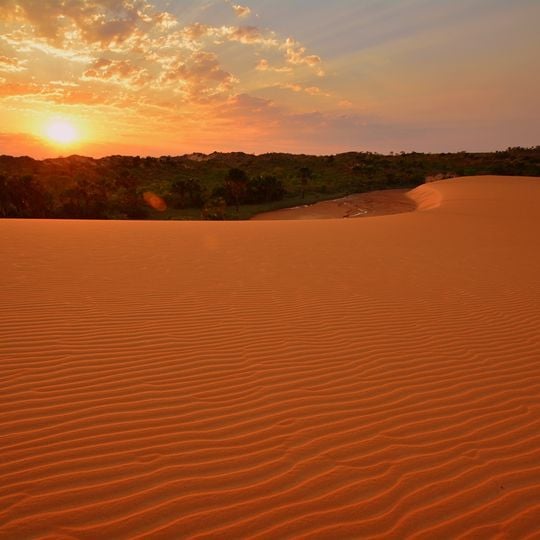
Jalapão, State park in Tocantins, Brazil
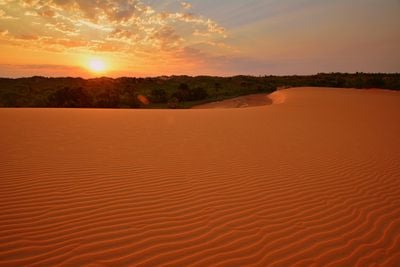
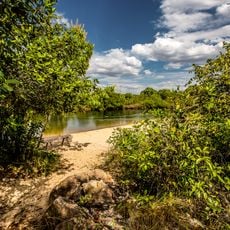
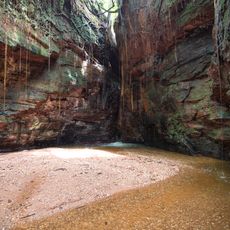
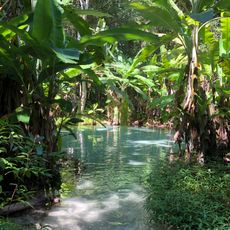
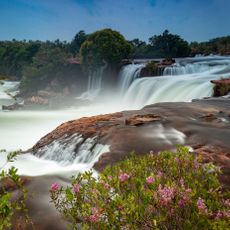
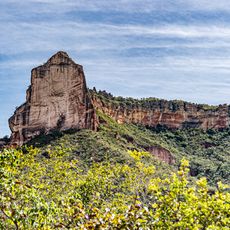
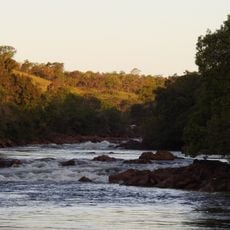
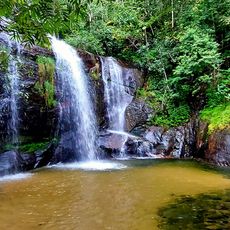
Jalapão is a protected area in Tocantins state covering more than 158,000 hectares of cerrado scrubland, golden sand formations, and natural springs. The landscape alternates between flat grasslands and dunes rising up to 30 meters, broken by palm groves and clear-water rivers.
Jalapão State Park was created by state law 1203 on 12 January 2001, covering 158,970.95 hectares in Mateiros and São Félix do Tocantins. The Mumbucas community, descendants of enslaved people who escaped from Bahia, already lived in the region. A technical agreement between ICMBio and the Nature Institute of Tocantins was signed on 21 July 2009, and the park's advisory board was appointed on 15 December 2011.
The Mumbucas community in the park traces its origin to escaped slaves from Bahia. Artisans weave golden grass (capim-dourado, Syngonanthus nitens) and buriti palm silk into baskets, bowls and jewellery, now the main income source for local communities; studies and actions aim to keep this harvest sustainable. The jalapa-do-brasil plant, found throughout the area, gave the region its name.
Unpaved sand tracks throughout the area require a four-wheel drive vehicle and drivers experienced with loose surfaces. Warm conditions year-round mean visitors should bring plenty of water and sun protection.
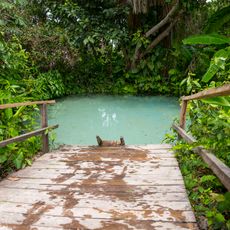
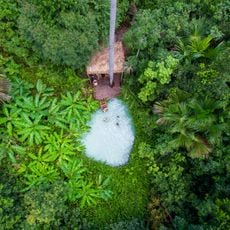
The so-called fervedouros are shallow pools where underground springs push upward with such force that people float on the surface and cannot sink. This natural phenomenon occurs when groundwater rises through porous rock, creating an unusual swimming sensation.
The community of curious travelers
AroundUs brings together thousands of curated places, local tips, and hidden gems, enriched daily by 92,838 contributors worldwide.