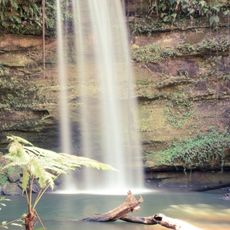
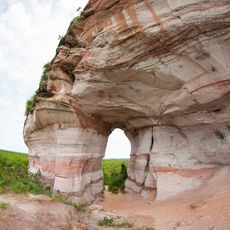
Nascentes do Rio Parnaíba National Park, National park in Maranhão, Piauí, Tocantins, and Bahia, Brazil
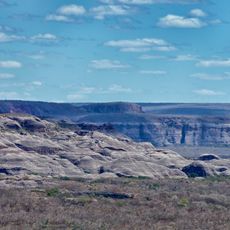
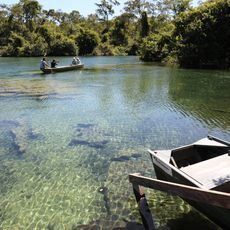
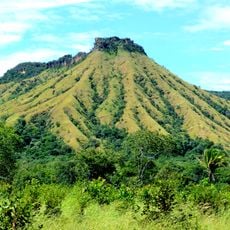
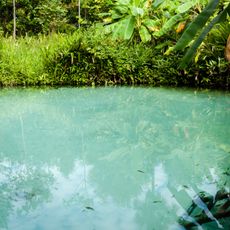
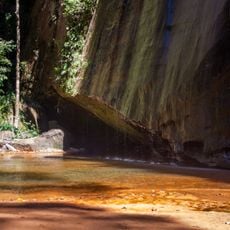
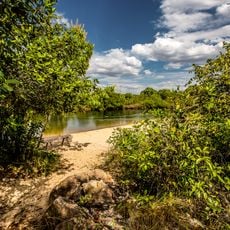
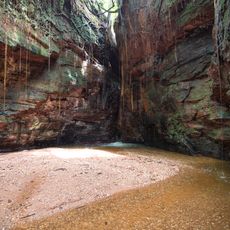
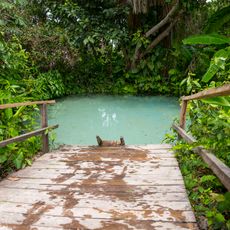
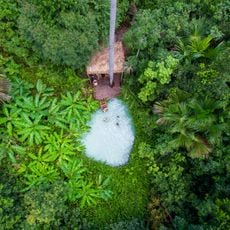
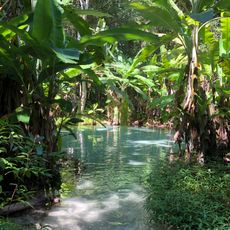
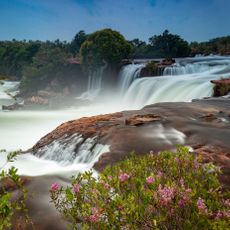
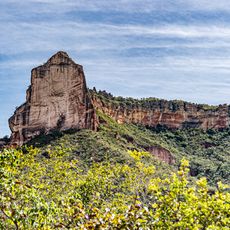
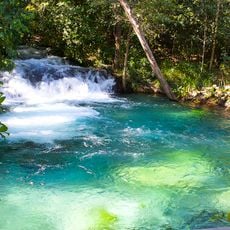
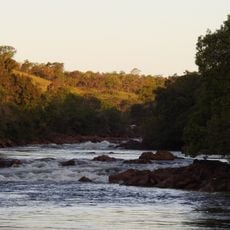
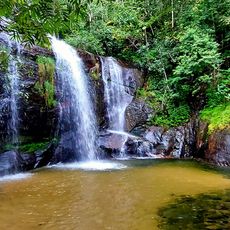
Nascentes do Rio Parnaíba National Park is a 749,848-hectare national park of Brazil, created in 2002 and managed by ICMBio. It spans the borders of Piauí, Maranhão, Bahia and Tocantins, where the Chapada das Mangabeiras, at about 800 metres, forms the watershed of three river basins. The Parnaíba rises here from springs on the lower Serra da Tabatinga, around 400 metres, among cerrado trees up to 12 metres tall, gallery forests and buriti palm groves.
The Brazilian government established this park in 2002 to protect the headwaters of the Parnaíba River and the cerrado around them. Its creation came at a time when farming and cattle ranching were putting pressure on this type of savanna across the country.
The park sits in the cerrado, a savanna region that local communities have relied on for generations as a source of water and food. The name itself refers to the headwaters of the Parnaíba River, which feeds life across a large part of northeastern Brazil.
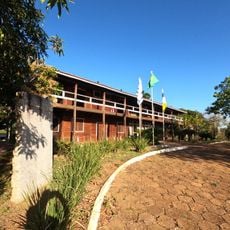
Access to the park requires prior authorization from the park administration, and all visits must be done with a certified local guide. The town of Gilbués, in Piauí state, is the usual starting point for trips into the protected area.
The Parnaíba is one of the few large rivers in Brazil that flows entirely within the country without crossing any international border. Its source inside the park is not a single spring but a network of small streams that gradually join together as they move north.
The community of curious travelers
AroundUs brings together thousands of curated places, local tips, and hidden gems, enriched daily by 92,854 contributors worldwide.