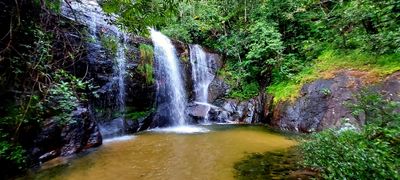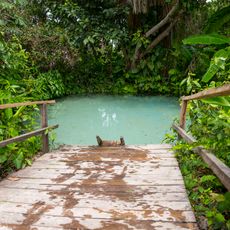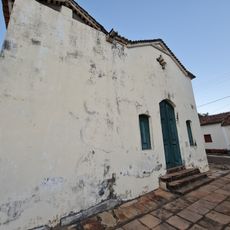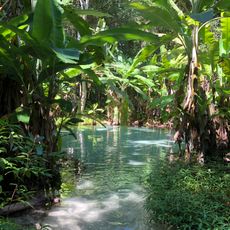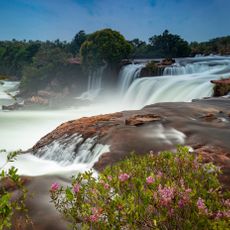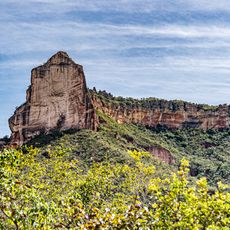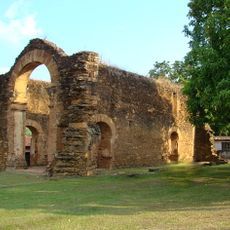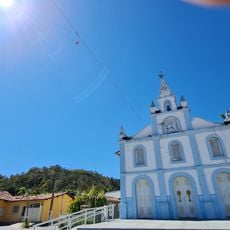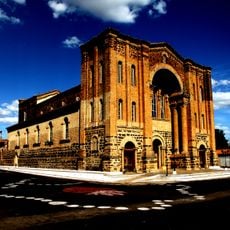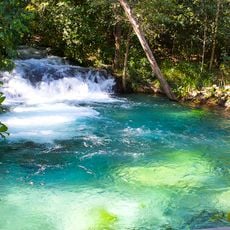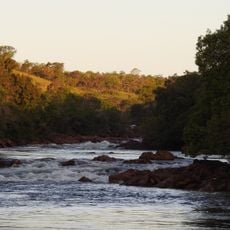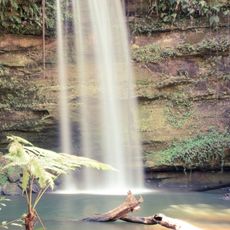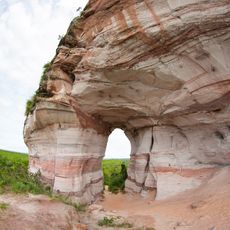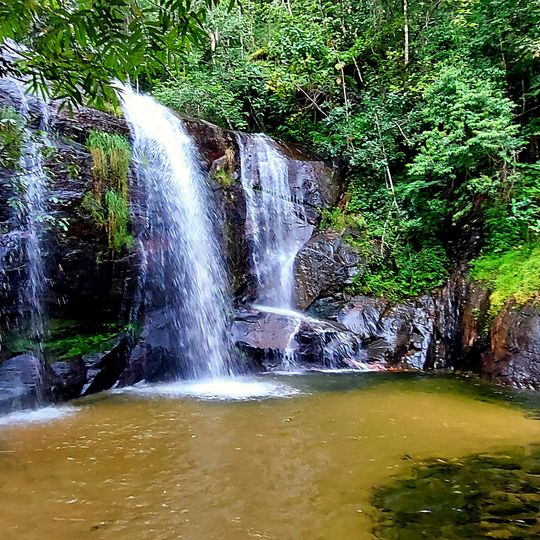
Cachoeira do Lajeado, Natural waterfall in Tocantins, Brazil.
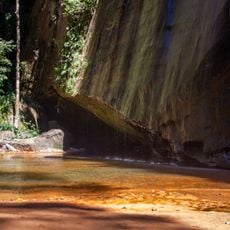
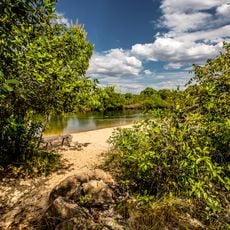
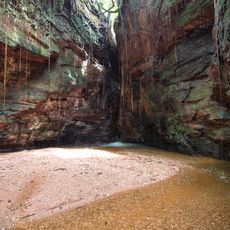
The water of Cachoeira do Lajeado descends vertically from the rocky terrain, creating a continuous flow that falls directly into the Tocantins River below.
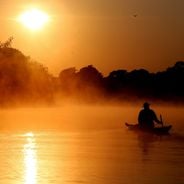
The waterfall region holds centuries of indigenous presence, with native communities utilizing the Tocantins River as a primary transportation and resource gathering route.
Local residents gather near the waterfall during regional celebrations to share traditional foods, crafts, and stories connected to the Tocantins River heritage.
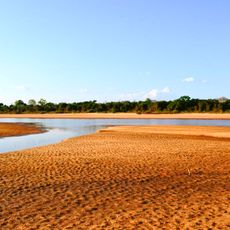
Visitors can reach Cachoeira do Lajeado through paved roads from major Tocantins cities, with optimal viewing conditions during the dry season from May to September.
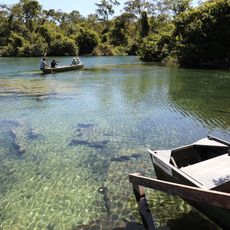
The waterfall supports a rich ecosystem where Amazonian manatees and Araguaian river dolphins swim in the connected waterways among 350 fish species.
Location: Tocantins
GPS coordinates: -10.65400,-47.28400
Latest update: March 3, 2025 14:31
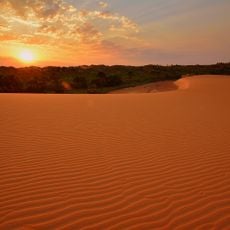
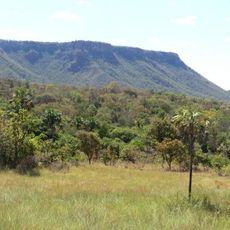
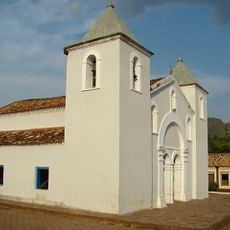
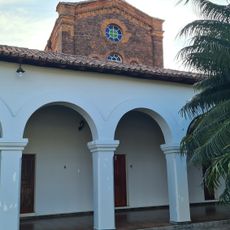
Northern Brazil holds a range of natural areas and historical sites away from the usual tourist paths. The region stretches from the Amazon basin to the wide plateaus of the Cerrado, offering waterfalls, clear springs, sand dunes, canyons, and caves. Protected areas such as Jalapão State Park and Anavilhanas National Park shelter rare animals and native plants. Rivers wind through dense forests, and in some springs, mineral-rich water pushes swimmers to the surface. The landscape shifts between tropical rainforest, open grasslands, and rock formations shaped over thousands of years. Notable places include the golden sand dunes of Jalapão, the tall waterfalls of Cachoeira da Velha and Cachoeira do Lajeado, and the natural pools known as fervedouros, where visitors can float effortlessly. Pedra Furada, a natural stone arch, and Canyon Encantado show the geological variety of the region. Ilha do Bananal, one of the largest river islands in the world, sits in the Araguaia River and provides habitat for many bird species. Further north, the Amazon rainforest spreads out with its branching rivers and islands. The colonial Fort Príncipe da Beira, built in the 18th century, recalls early European settlement. In Natividade, the small church of Nossa Senhora do Rosário stands as a modest example of colonial architecture. These places combine nature and history, inviting travelers to discover a less familiar side of Brazil.
Jalapão
47.7 km
Nascentes do Rio Parnaíba National Park
136.7 km
Araguaia Palace
126.2 km
Serra Geral do Tocantins Ecological Station
78 km
Museu Histórico do Tocantins
123.7 km
Lajeado State Park
122 km
Cathedral of the Divine Holy Spirit in Palmas
126 km
Ilha do Bananal / Cantão Environmental Protection Area
269.8 km
Fervedouro dos Buritis
88.2 km
Canion Encantado
54.9 km
Prainha do Rio Novo
73.4 km
Cânion do Sussuapara
17.7 km
Fervedouro Bela Vista
87.2 km
Igreja Matriz de Nossa Senhora da Natividade
127 km
Fervedouro do Soninho
87.4 km
Fervedouro do Ceiça
88.9 km
Igreja de São Benedito
126.7 km
Cachoeira da Velha
61.9 km
Ruínas da Igreja de Nossa Senhora do Rosário dos Pretos
127 km
Serra da Catedral do Jalapão
71.8 km
Cachoeira do Formiga
95.9 km
Catedral Nossa Senhora das Mercês
124.1 km
Igreja Matriz
256.4 km
Seminário São José
124 km
Historical center of Natividade
147.6 km
Praia do Rio Novo
61.9 km
Cachoeira do Edilson
103.2 km
Pedra Furada
27.3 kmReviews
Visited this place? Tap the stars to rate it and share your experience / photos with the community! Try now! You can cancel it anytime.
Discover hidden gems everywhere you go!
From secret cafés to breathtaking viewpoints, skip the crowded tourist spots and find places that match your style. Our app makes it easy with voice search, smart filtering, route optimization, and insider tips from travelers worldwide. Download now for the complete mobile experience.
A unique approach to discovering new places❞
— Le Figaro
All the places worth exploring❞
— France Info
A tailor-made excursion in just a few clicks❞
— 20 Minutes