Marajó Archipelago Environmental Protection Area, Environmental protection area in Pará, Brazil.
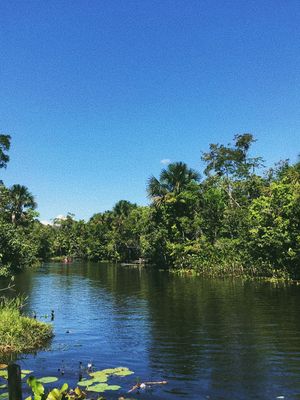
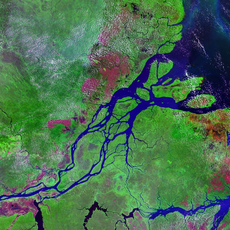
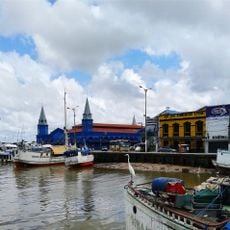
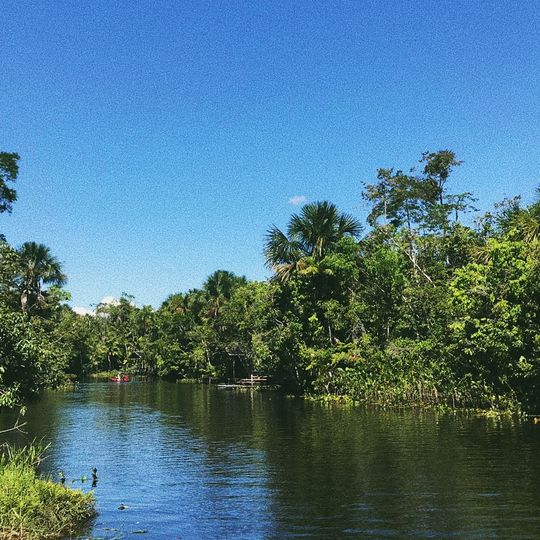
The Marajó Archipelago Environmental Protection Area sits where the Amazon and Tocantins rivers meet the Atlantic Ocean, consisting of numerous islands and waterways. Several extractive reserves within it, such as Mapuá and Terra Grande-Pracuúba, help local communities manage their resources sustainably.
The region was once home to the Marajoara culture, which flourished there centuries ago and supported a substantial population. This early civilization left archaeological evidence showing how important the area was before European arrival.
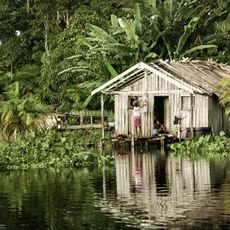
Local inhabitants have adapted their daily lives to seasonal flooding by building homes on wooden stilts throughout the settlements. This way of building defines the appearance of communities and reflects how people work with the land's natural rhythms.
The best time to visit depends on water levels, as seasonal flooding can cover large areas of the territory. Visitors should check conditions beforehand and travel with experienced guides to explore safely.
A striking feature is the enormous population of water buffalo that has established itself there and now far outnumbers the human residents. These animals have become a defining part of the landscape and show how unexpected introductions reshape an environment.
The community of curious travelers
AroundUs brings together thousands of curated places, local tips, and hidden gems, enriched daily by 90,872 contributors worldwide.