Church Our Lady of Mount Carmel, Carmelite church in Belém, Brazil
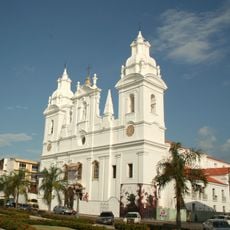
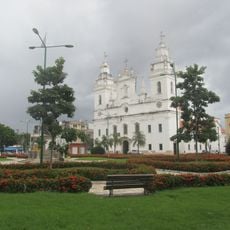
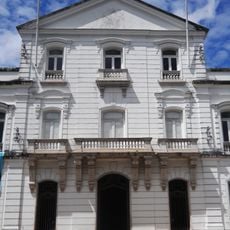
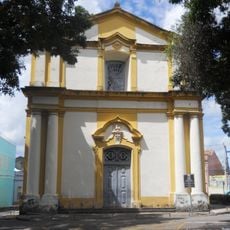
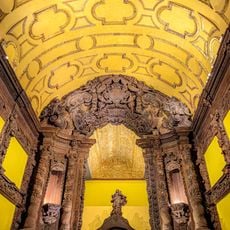
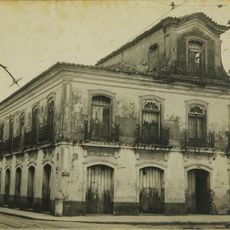
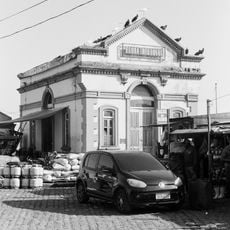
The Church of Our Lady of Mount Carmel is a Catholic church in the historic centre of Belém. Its facade, carved in lioz limestone by José Pereira and Manuel Gomes between 1750 and 1756, was made in Portugal and shipped ready to assemble; it is the only stone facade in the city. Tuscan pilasters divide it into two storeys and three panels, topped by a mixed pediment with vase-shaped pinnacles and an iron cross. The Italian architect Antônio Landi rebuilt the nave behind it with two naves, main and transept.
The Discalced Carmelites arrived from Maranhão in 1626 and settled in 1627 on land donated by Captain Major Bento Maciel Parente, building a chapel and the captaincy's first convent. Those buildings were demolished in 1690; the new church was finished in 1721 after a ban over an excommunicate's burial was lifted in 1700. A lioz facade carved in Portugal in 1750–1756 forced the nave's demolition, and Antônio Landi rebuilt it with two naves, completed between 1766 and 1784.
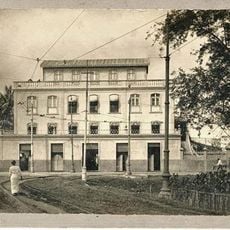
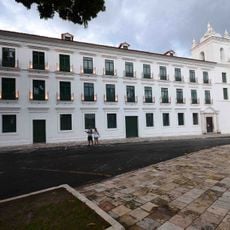
The name refers to Our Lady of Mount Carmel, patron of the Carmelite order that settled here in 1626. The Salesians arrived in 1930 and still run a primary and secondary school in the former convent beside the church; since then the church has passed to the Seeds of the Word Community, which uses the old school building as a mission house for retreats.
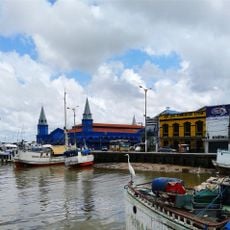
The church sits near the Ver-o-Peso market and holds regular services that visitors can attend. Plan your visit in advance to explore the site when it is open to the public.
The facade was carved in lioz limestone in Portugal by master stonemasons José Pereira and Manuel Gomes between 1750 and 1756, then shipped to Belém ready to assemble. It is the only stone facade in the city. Fitting it damaged the existing nave, so the Italian architect Antônio Landi was called in to rebuild the church.
The community of curious travelers
AroundUs brings together thousands of curated places, local tips, and hidden gems, enriched daily by 92,891 contributors worldwide.