Feliz Lusitânia, Colonial heritage site in Cidade Velha, Belém, Brazil
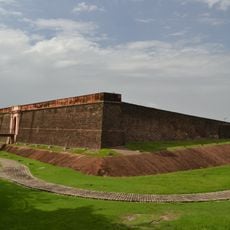
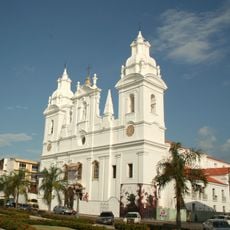
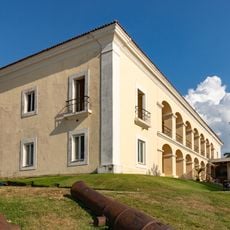
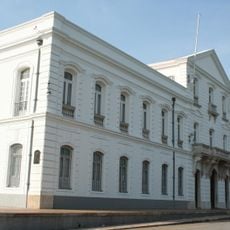
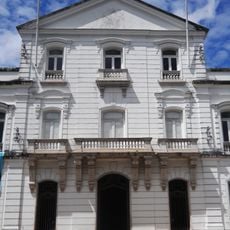
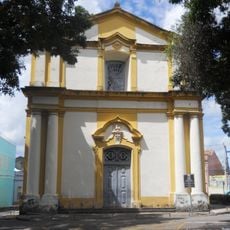
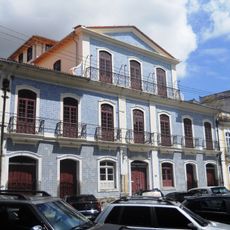
Feliz Lusitânia is a colonial complex in Belém's old city with several key buildings including the Forte do Presépio fortress, the Palace of Eleven Windows, and Santo Alexandre Church. The site also contains a public square, exhibition spaces, and the Metropolitan Cathedral that form a restored historic settlement.
The site was founded in 1616 by Portuguese captain Francisco Caldeira Castelo Branco to defend the northern coast against Dutch and French incursions. This early fort became the core of a larger colonial settlement that developed over the centuries.
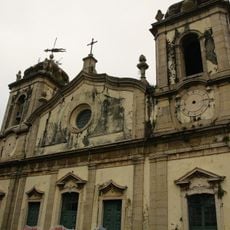
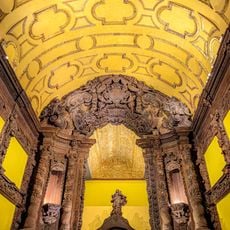
The Sacred Art Museum occupies the former Jesuit Colégio de Santo Alexandre, whose church opened on 21 March 1719 and now doubles as a stage for theatre and recitals. Its collection holds Marajoara and Tapajó ceramics made before the Portuguese arrived, kept in the Forte do Presépio. The Metropolitan Cathedral's main altar was donated by Pope Pius XI.
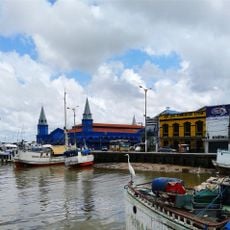
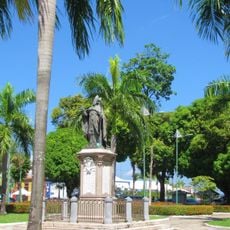
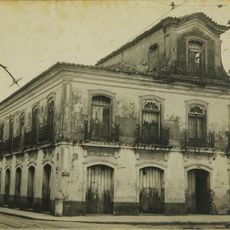
The complex is in the Cidade Velha district on the shore of Guajará Bay, and Praça Dom Frei Caetano Brandão, completed in 1900, is the usual starting point for walks through the historic centre. The streets that begin at the Forte do Presépio are the oldest in Belém: Rua Siqueira Mendes, Rua Doutor Assis, Rua Doutor Malcher and Rua João Diogo. The area was restored in 2002 by the Pará state government.
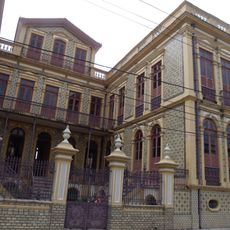
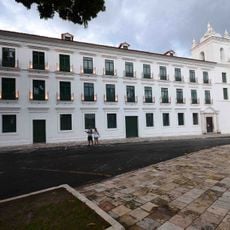
The Palace of the Eleven Windows was built in the 18th century by Domingos da Costa Barcelar, a wealthy mill owner, not by Antonio Landi. In 1768 the Grão-Pará government turned it into a military hospital, and it kept military functions from 1870 until 2001, when the state bought it as a tourist site.
The community of curious travelers
AroundUs brings together thousands of curated places, local tips, and hidden gems, enriched daily by 94,136 contributors worldwide.