Fernando de Noronha, Volcanic archipelago in Pernambuco, Brazil
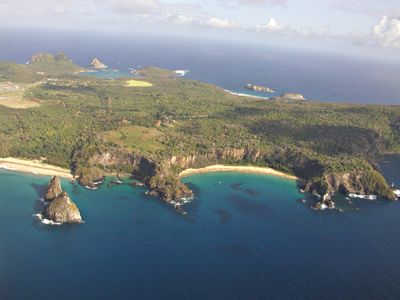
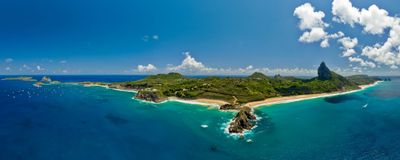
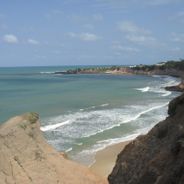
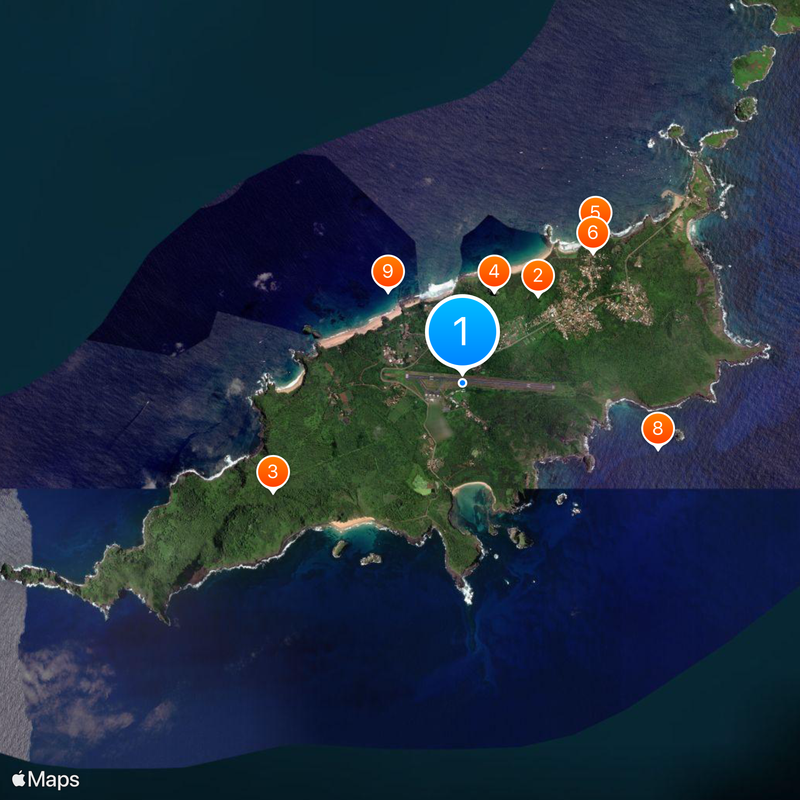
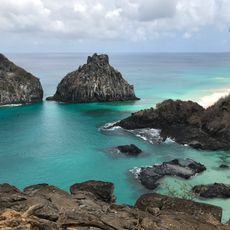
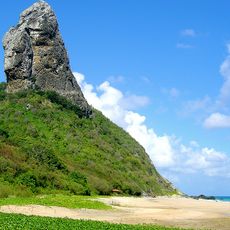
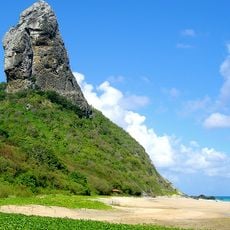
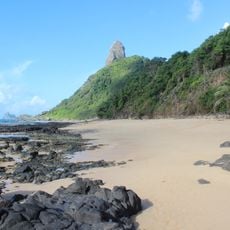
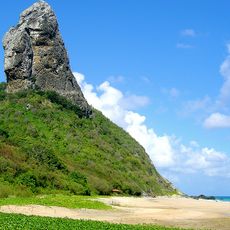
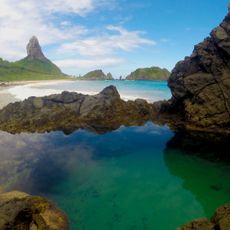
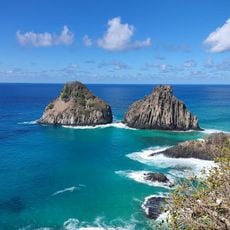
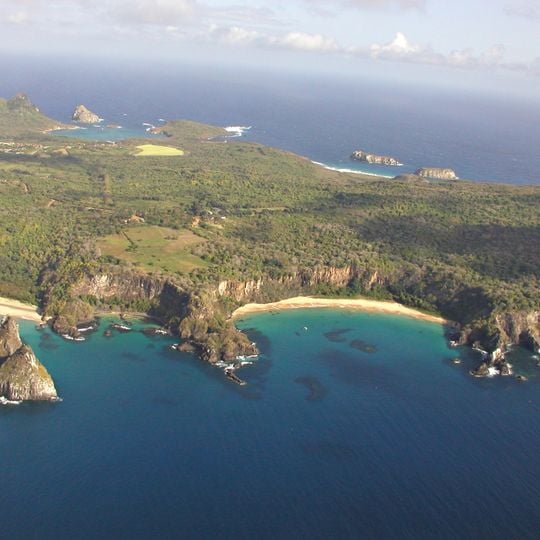
Fernando de Noronha is a volcanic archipelago off the northeastern coast of Brazil in the state of Pernambuco, consisting of one main island and twenty smaller uninhabited islets. The main island features steep cliffs of dark volcanic rock, sandy beaches with fine pale sand, and shallow tide pools that become visible at low tide.
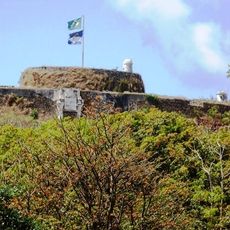
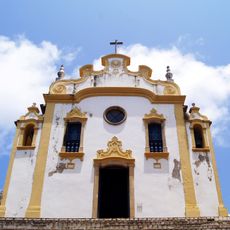
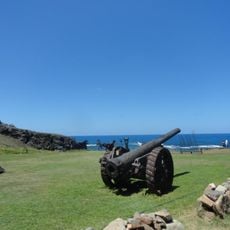
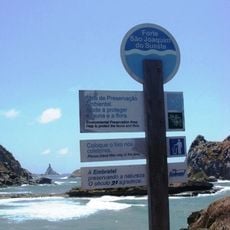
Portuguese sailors reached the islands in 1503 during an expedition led by Gonçalo Coelho, with Amerigo Vespucci among the crew. The islands later served as a prison and military outpost before being declared a national park in 1988.
Locals often refer to the archipelago simply as "Noronha" and live by strict environmental codes that shape daily routines and building styles. Visitors notice how residents design their homes and boats to leave minimal traces on the landscape.
Flights from Recife or Natal bring travelers to the island, with an environmental fee payable on arrival. Daily visitor numbers are capped, so booking several weeks ahead is advisable, especially during the dry season from August to February.
The waters surrounding the archipelago host the largest population of resident dolphins in Brazil, particularly around Baía dos Golfinhos. Divers report that the animals often approach people with curiosity and accompany them for several minutes.
The community of curious travelers
AroundUs brings together thousands of curated places, local tips, and hidden gems, enriched daily by 90,870 contributors worldwide.