Fernando de Noronha Marine National Park, Marine national park in Pernambuco, Brazil
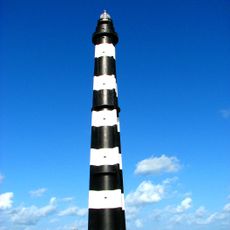
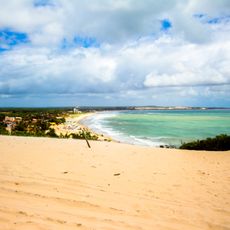
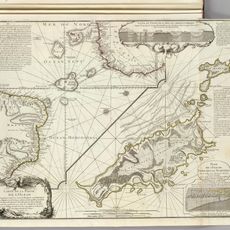
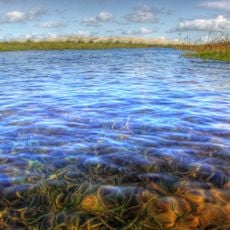
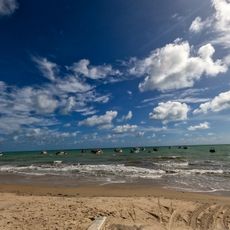
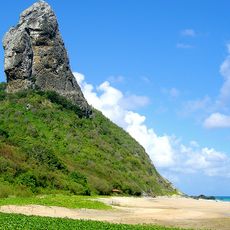
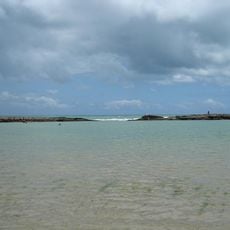
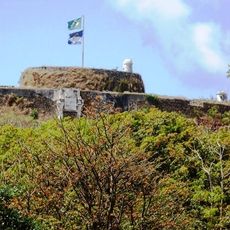
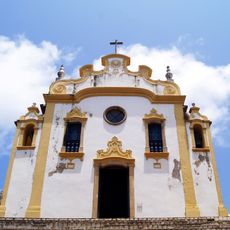
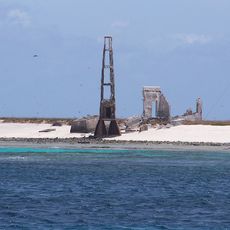
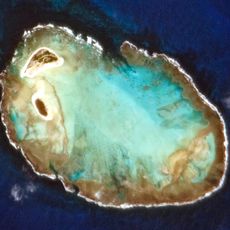
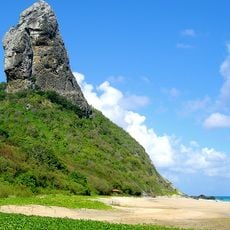
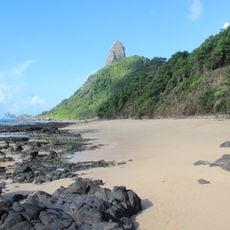
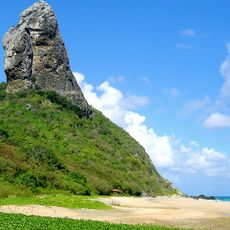
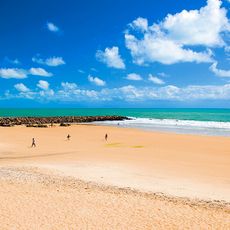
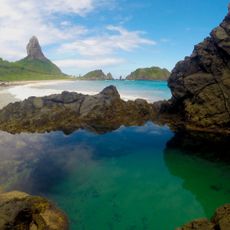
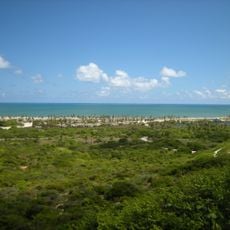
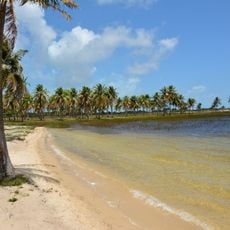
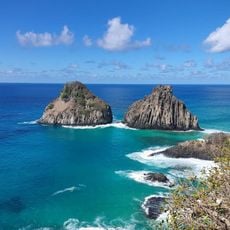
Fernando de Noronha Marine National Park covers 10,927.64 hectares, most of them marine, protecting the island of Fernando de Noronha in Pernambuco plus a large sea extension reaching the Saint Peter and Saint Paul Archipelago. The park holds bays, beaches and underwater formations, with coral species such as Millepora alcicornis and Phyllogorgia dilatata and four species of sea turtle.
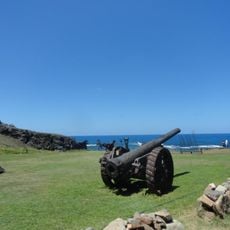
The park was created by federal decree 96.693 on 14 September 1988 and is run by the Chico Mendes Institute for Biodiversity Conservation (ICMBio). Its management plan was first drafted unofficially in 1990, an advisory council was appointed in 2001, and a revised plan was issued in 2010. Much of the island's original vegetation had earlier been cleared while the island served as a prison, and non-native species such as flaxseed were then introduced for livestock.
The park takes its name from the Portuguese navigator Fernão de Noronha, who received the islands as a hereditary captaincy in 1504. The Noronha elaenia and Noronha vireo are birds found only on this archipelago, and ICMBio researchers study them inside the park. The teju lizard, brought in to control rats, now competes with native species.
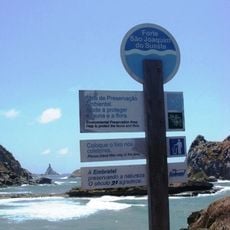
Visitors must pay an environmental fee before entering and must follow strict rules to protect the wildlife. Daily visitor numbers are limited, so planning ahead is necessary to gain access.
The waters are home to over 300 fish species and provide nesting spots for rare seabirds like brown and red-footed boobies. These nesting grounds represent some of the last natural refuge for these birds in the South Atlantic.
The community of curious travelers
AroundUs brings together thousands of curated places, local tips, and hidden gems, enriched daily by 93,861 contributors worldwide.