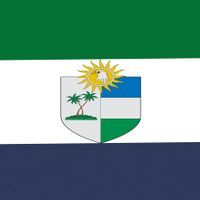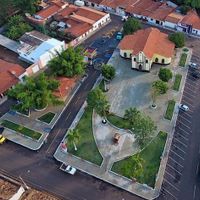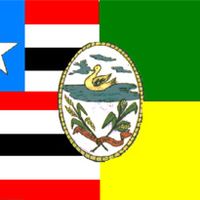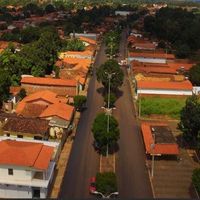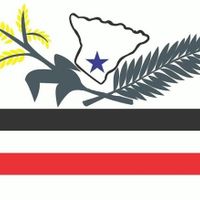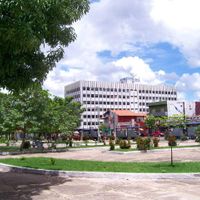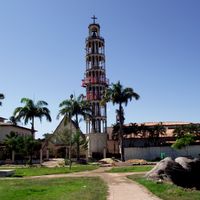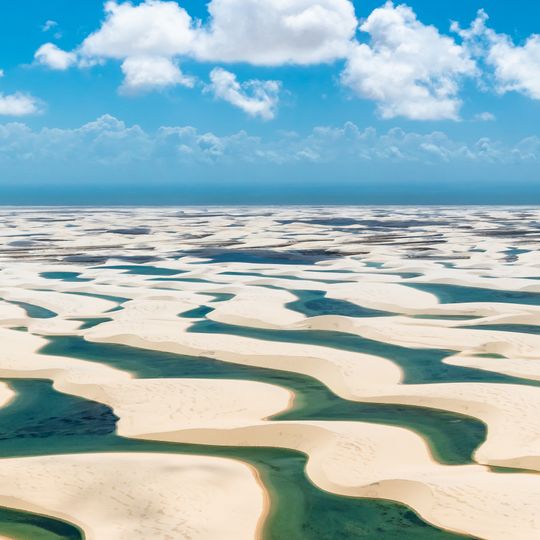
Maranhão, State capital São Luís in northeastern Brazil
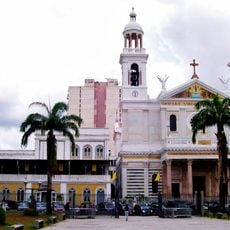
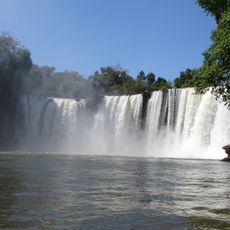
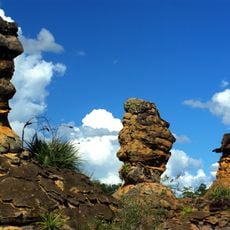
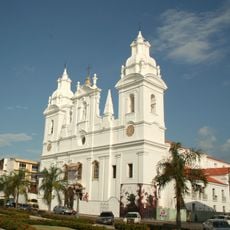
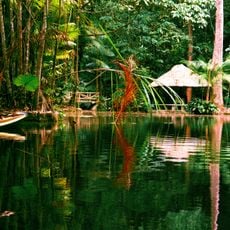
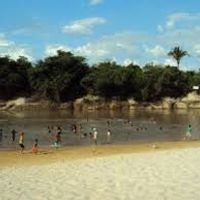
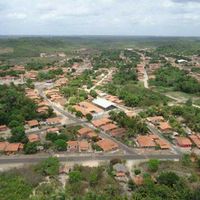
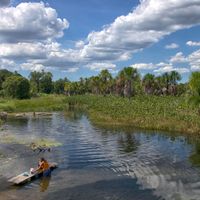
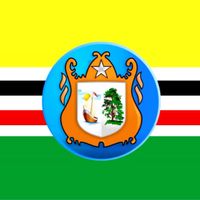
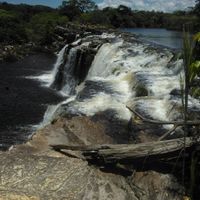
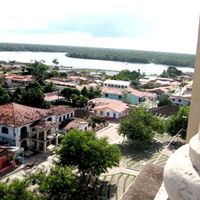
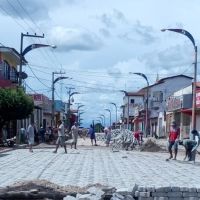
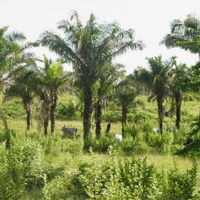
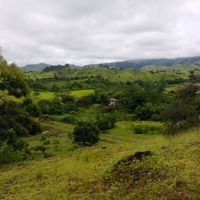
Maranhão is a state in northeastern Brazil with the capital São Luís, covering more than 330,000 square kilometers. The landscape ranges from tropical rainforests along the coast to open savannas in the south, crossed by rivers that link the interior with the Atlantic.
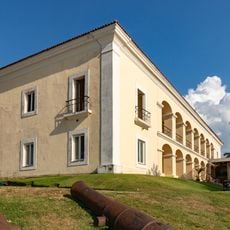
French settlers founded a colony in São Luís in 1594 before the Portuguese took control in 1615. The Dutch briefly occupied the coast between 1641 and 1644, after which the area remained under Portuguese rule until Brazilian independence in the 19th century.
The name Maranhão likely comes from the Tupi word for great river, reflecting the waterways that shape the region. Visitors encounter living traditions such as Bumba-meu-boi, a celebration with music and dance held in many towns between June and August.
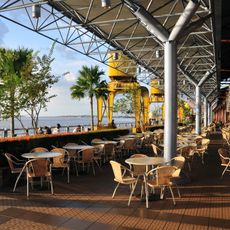
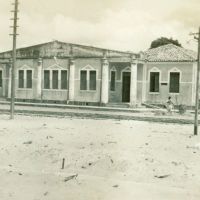
The port of Itaqui in São Luís serves as an important gateway for trade and connects the coast with the interior through navigable rivers and railways. Travelers find hotels in the capital and along the coast, with connections to more remote areas like the national park in the northeast.
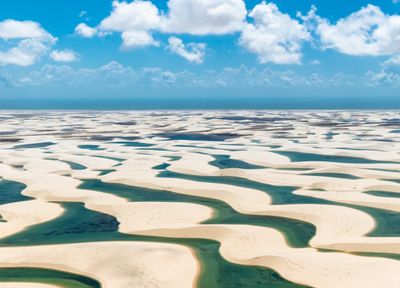
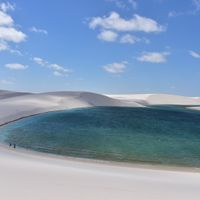
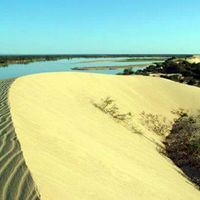
The Lençóis Maranhenses National Park in the eastern part holds wide dune fields that fill with water during the rainy season, forming thousands of turquoise lagoons between May and September. These freshwater pools attract fish that survive even in the dry season by burying themselves in the sand until the next rains form the lagoons again.
The community of curious travelers
AroundUs brings together thousands of curated places, local tips, and hidden gems, enriched daily by 91,461 contributors worldwide.