Historic Centre of São Luís, Colonial Portuguese heritage site in São Luís, Brazil
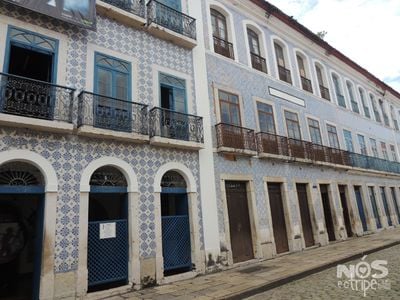
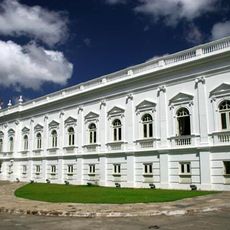
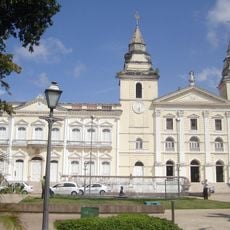
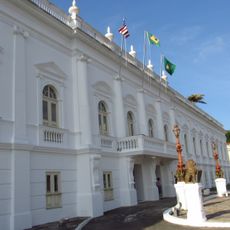
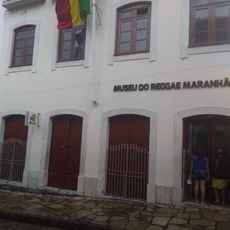
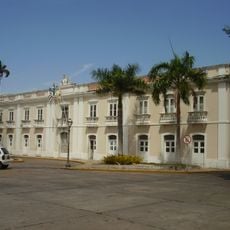
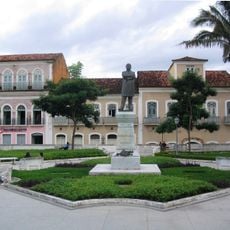
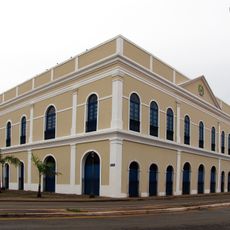
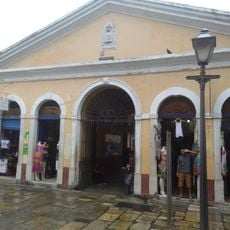
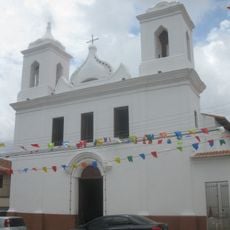
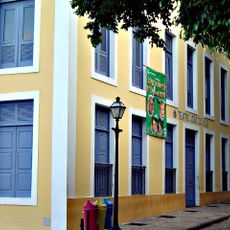
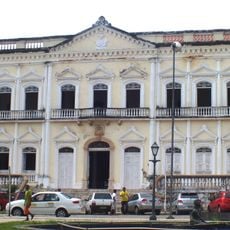
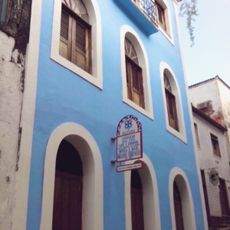
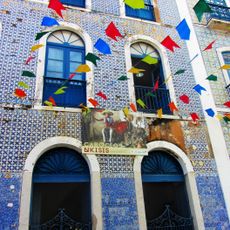
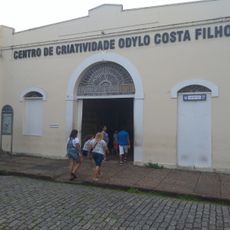
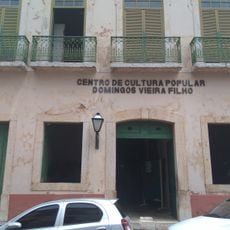
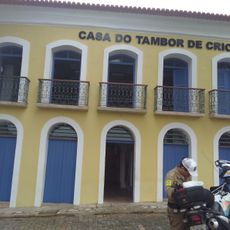
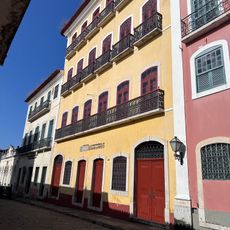
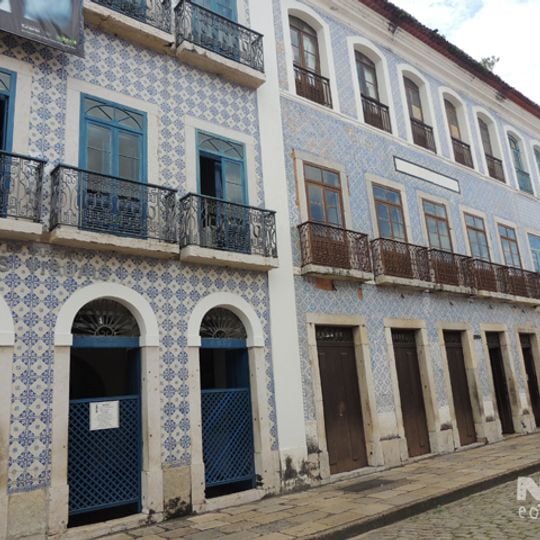
The Historic Centre of São Luís is an old town in Brazil with buildings featuring traditional azulejo tiles, marble facades, and Portuguese colonial architecture spanning several centuries. The structures stand closely together in a connected network, with doors and windows in varied styles and colors distinguishing different building types from one another.
French settlers founded the city in 1612 before it came under Dutch rule and was later reshaped by Portuguese colonists following a plan from 1615. The Portuguese period left a lasting mark on the townscape, leading to the construction of most buildings visible today and the characteristic street layouts.
The area takes its name from a French saint, reflecting its founding heritage in the narrow streets and overall layout that still survives today. Residents maintain the colorful azulejo tiles on facades as a living tradition, treating these details as markers of identity and daily beauty.
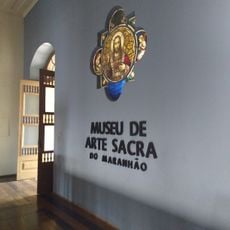
The center is best explored on foot, as most sites of interest, churches, museums, and restaurants sit within a connected walking zone. Comfortable shoes are recommended since the streets are paved with cobblestones and feature several hills and slopes, especially in the older sections.
The town center sits on an island in the Baía de São Marcos, where buildings were constructed with special ventilation systems and overhanging balconies to manage tropical heat and humidity. These architectural adaptations are visible in the roof openings and wide roof overhangs that provide cooling on hot days.
The community of curious travelers
AroundUs brings together thousands of curated places, local tips, and hidden gems, enriched daily by 92,028 contributors worldwide.