Marak'anà Village, Historic indigenous village in Maracana District, Rio de Janeiro, Brazil.
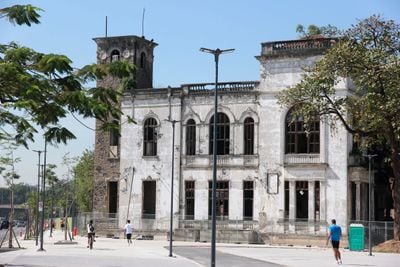
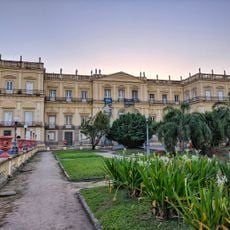
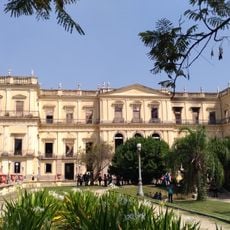
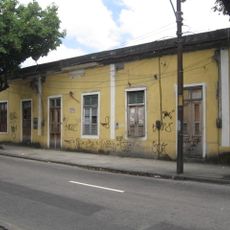
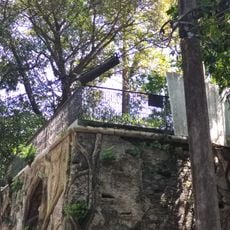
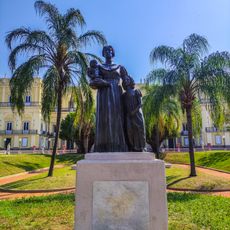
Marak'anà Village is a native settlement in a 19th-century building in Maracanã District, Rio de Janeiro, Brazil. The site at Rua Mata Machado 126 holds spaces for exhibitions, teaching, and gatherings of the residents.
The building was constructed in 1862 by Dom Luís Augusto and donated in 1910 to the Indian Protection Service led by Cândido Rondon, which made it its headquarters. From 1953 to 1977 it housed the Indian Museum created by Darcy Ribeiro, then stood abandoned. In 2006 about 20 indigenous people of Guarani, Guajajara, Pataxó and Tukano origin occupied it and named it Aldeia Maracanã.
Twenty native peoples use this place for language teaching and handcraft work, passing their traditions to younger members of the community. The multilingual university allows students from different backgrounds to gather here and learn from one another.
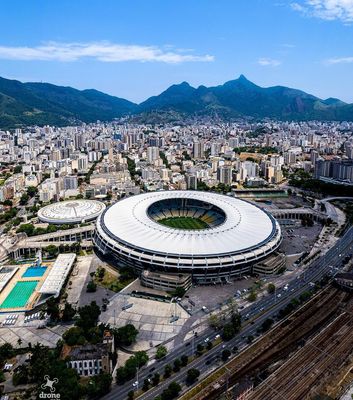
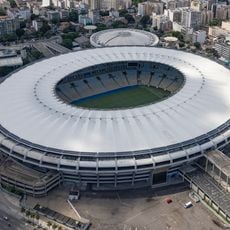
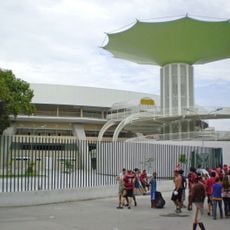
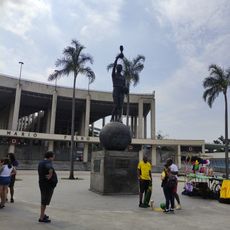
The building stands at Rua Mata Machado 126, beside the Maracanã Stadium, and the state government has repeatedly evicted and reoccupied it, so access has been intermittent since 2006. The facade is fenced off with white panels bearing the words "VERSIDADE INDÍGENA"; a large tree with exposed roots stands to the right of the barrier. The structure is at risk of demolition and has no confirmed visiting arrangements.
The name Marak'anà comes from the Tupi language and means something like Green River, after a waterway that once flowed through this area. The residents have repaired the old structure themselves and continue building new rooms for teaching and meetings.
The community of curious travelers
AroundUs brings together thousands of curated places, local tips, and hidden gems, enriched daily by 92,854 contributors worldwide.