Paço de São Cristóvão, Former imperial palace in Rio de Janeiro, Brazil
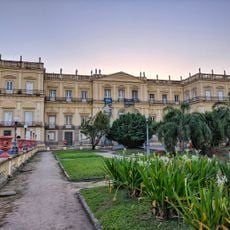
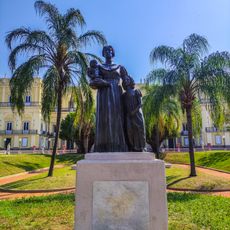
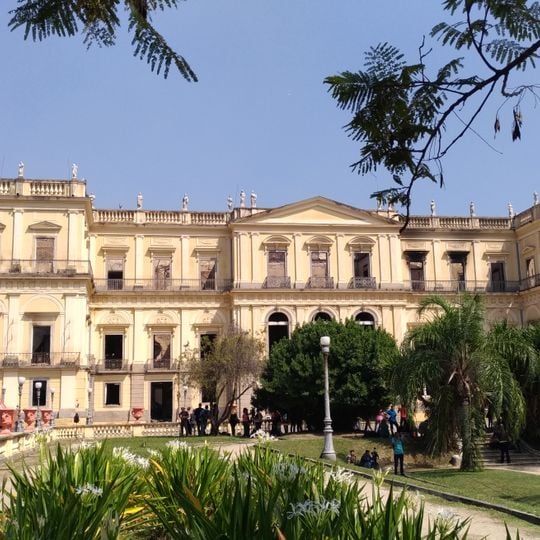
Paço de São Cristóvão is a long, pale yellow neoclassical palace in Quinta da Boa Vista park, Rio de Janeiro. Its three levels rise from rusticated stonework with arched openings to tall rectangular windows topped by triangular and segmental pediments. A projecting central pediment and stone balustrade balcony mark the middle, and white statues stand along the roofline balustrade; the Moorish side tower was rebuilt in neoclassical style.
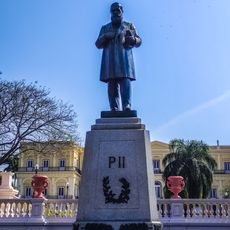
The palace began as a country house for a wealthy merchant and was acquired by the Portuguese royal family in 1808 during their flight from Napoleon. After Brazilian independence, emperors Pedro I and Pedro II lived on the estate until the proclamation of the republic.
The palace's name comes from the Quinta da Boa Vista estate, whose hilltop manor offered views of Guanabara Bay, Corcovado and the Tijuca Forest. The estate belonged to merchant Elias Antônio Lopes, who built the manor around 1803 and donated it to Prince Regent João in 1808. The surrounding neighbourhood took the name São Cristóvão from the old Jesuit farms. Today the building houses the National Museum of Brazil.
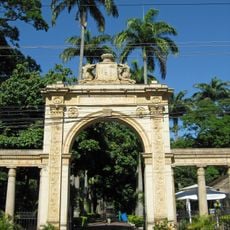
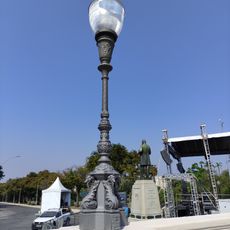
Access to the grounds is through several entrances along the park, with the main entrance featuring the cast iron gate being easiest to identify. Reconstruction work following the fire limits visits to certain areas, but you can walk around the exterior grounds and enter some restored rooms.
The Bendegó meteorite, which fell inland around 11,000 years ago and weighs over 5 tons (4.5 metric tons), survived the flames nearly unharmed. Its iron mass protected it from the high temperatures while collections around it were destroyed.
The community of curious travelers
AroundUs brings together thousands of curated places, local tips, and hidden gems, enriched daily by 94,061 contributors worldwide.