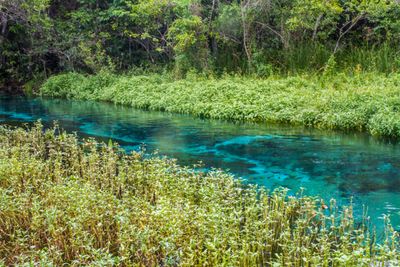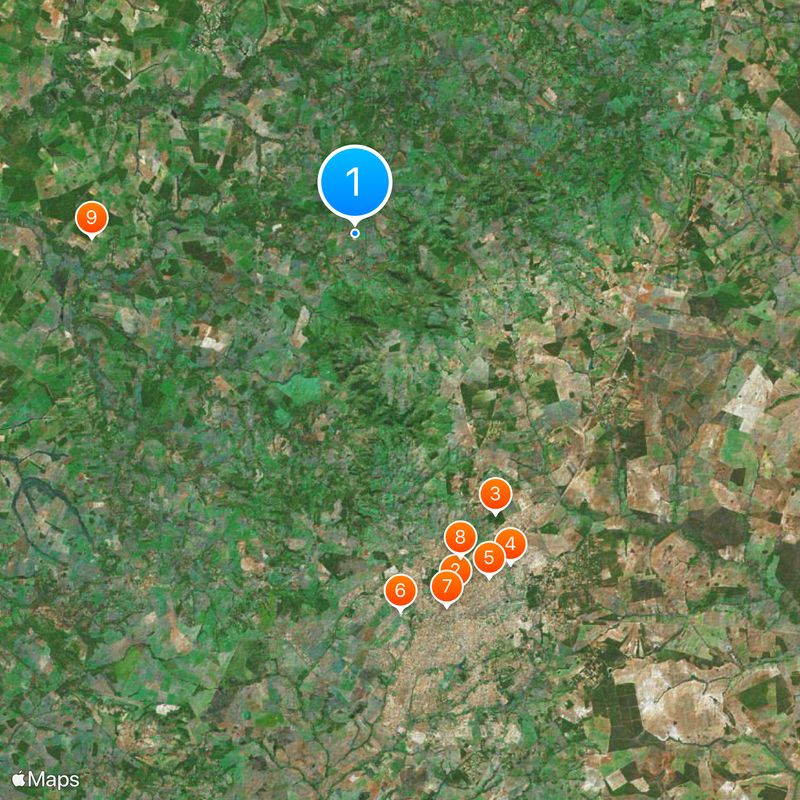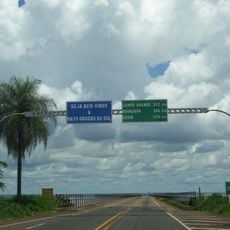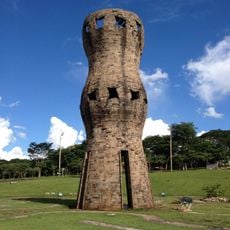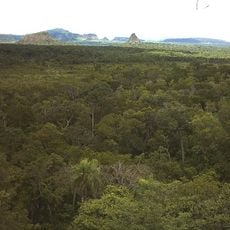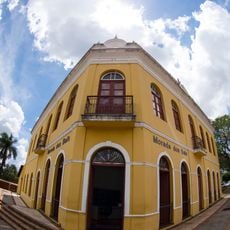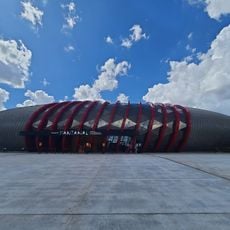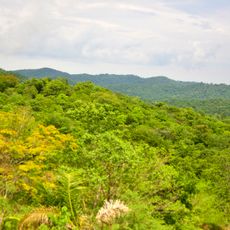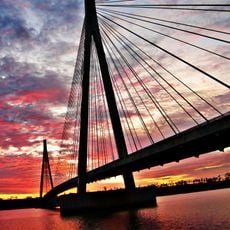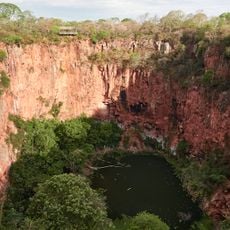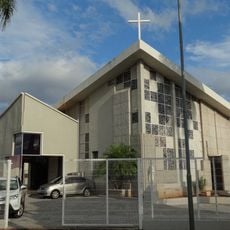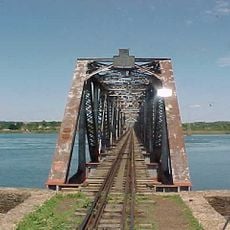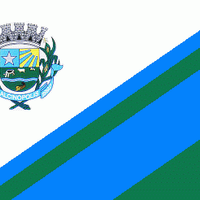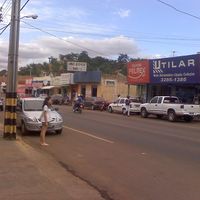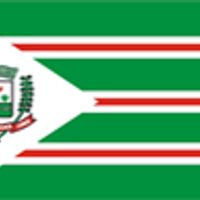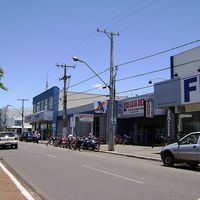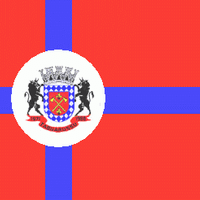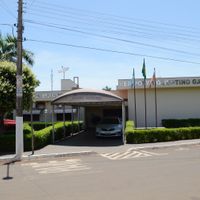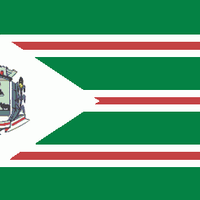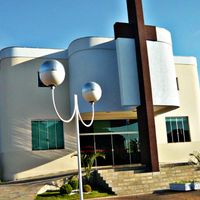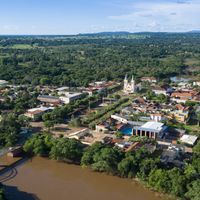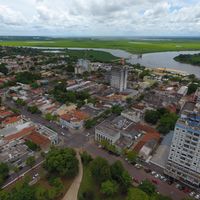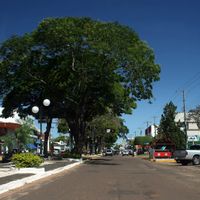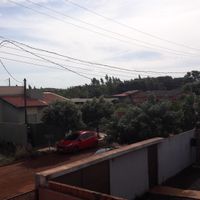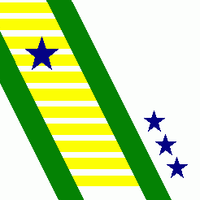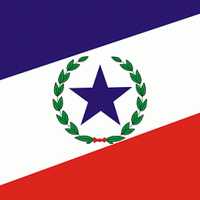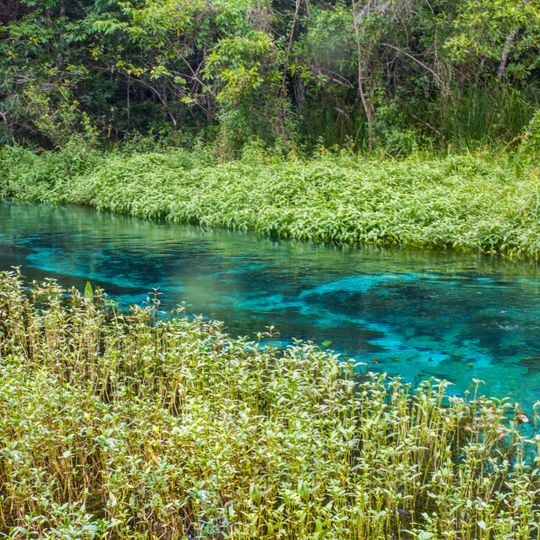
Mato Grosso do Sul, Federal state in Central-West Brazil.
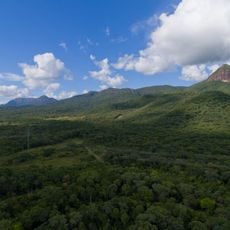
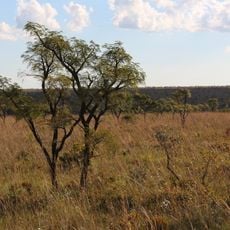
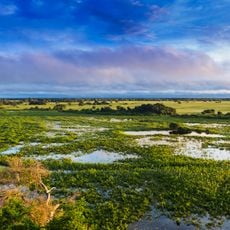
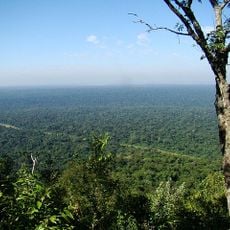
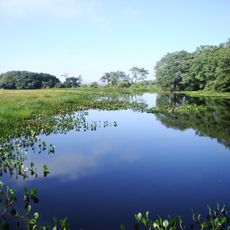
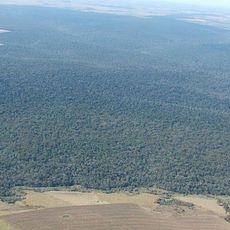
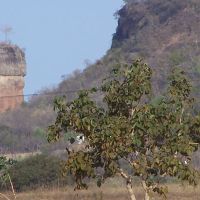
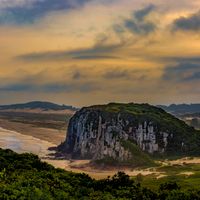
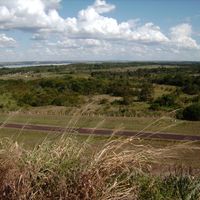
This state in central-western Brazil is known for wide plains, plateaus, and the wetlands of the Pantanal. It borders Paraguay and Bolivia, forming part of the central South American landmass.
The territory broke away from Mato Grosso in 1977, creating a separate state to ease administration of such a vast area. Campo Grande became the capital and has since grown into the administrative center of the region.
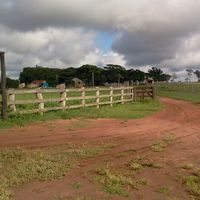
In smaller towns, rodeos and country festivals bring traditional music and dance rooted in cattle-ranching life. Indigenous communities across the interior offer handicrafts and ceremonies that give a window into their way of living.
The best time to visit falls during the dry months, when roads are more accessible and wildlife viewing in the Pantanal is easier. Campo Grande serves as a gateway to many areas and offers flight connections plus long-distance buses.
The border with Bolivia runs through thinly populated forests where old trading trails still remain visible. Near the Paraguayan frontier, Mennonite communities practice agriculture in a traditional manner.
The community of curious travelers
AroundUs brings together thousands of curated places, local tips, and hidden gems, enriched daily by 90,754 contributors worldwide.