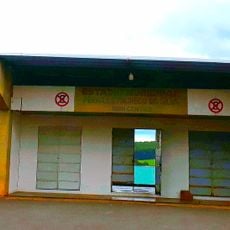
Vila Rica do Espírito Santo State Park, Archaeological state park in Fênix, Brazil.
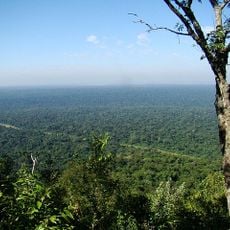
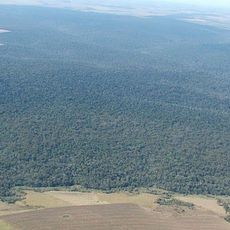
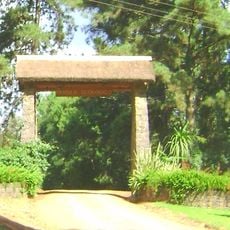
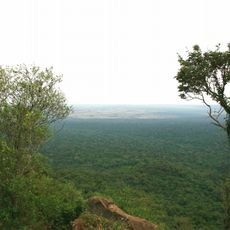
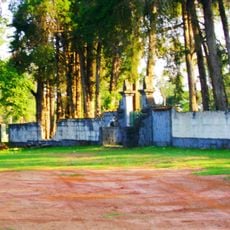
Vila Rica do Espírito Santo State Park is a protected area containing archaeological ruins of a Spanish colonial settlement surrounded by Atlantic Forest vegetation. The grounds display remains of buildings, churches, and infrastructure from the colonial period.
Villa Rica del Espiritu Santo was founded in the 1570s by the Spanish captain Melgarejo, with a church and a fortress, and prospered over the following decades. In 1632 the settlement was destroyed by Bandeirantes after a three-month siege. In the 1770s Luís António de Sousa Botelho Mourão ordered an expedition to settle colonists there, but occupation only came in the mid-20th century.
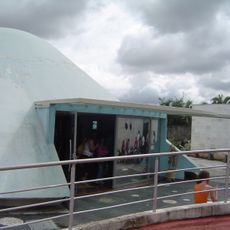
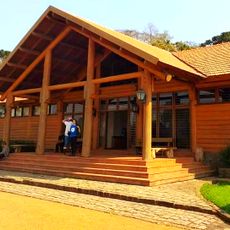
The ruins are those of Villa Rica del Espiritu Santo, a Spanish colonial town, not a Jesuit reduction; the state law of 1948 nonetheless listed the site among "reduções jesuíticas" remains. Inside the park, a museum opened on 15 November 1990 displays Guaraní ceramics and artifacts found on site, including a funerary urn holding a skeleton.
The park lies in the municipality of Fênix, Paraná, and is reached by road from the regional urban centres. The ruins of Villa Rica stand within Atlantic Forest, and the on-site museum, open since 15 November 1990, displays Guaraní ceramics, artefacts and a funerary urn with a skeleton. The Prefeitura Municipal de Fênix supplies the staff and upkeep, so check locally before travelling.
The ruins were mapped around 1865 by engineers Joseph and Franz Keller-Leuzinger, and explored in the late 19th century by an expedition led by José Cândido da Silva Muricy. The park museum, opened on 15 November 1990, displays Guaraní ceramics and a funerary urn holding a skeleton.
The community of curious travelers
AroundUs brings together thousands of curated places, local tips, and hidden gems, enriched daily by 94,305 contributors worldwide.