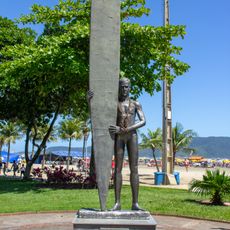
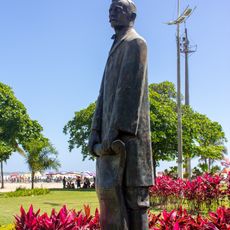
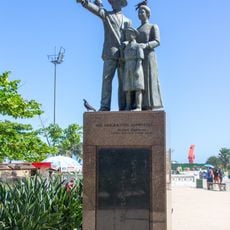
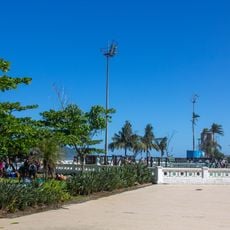
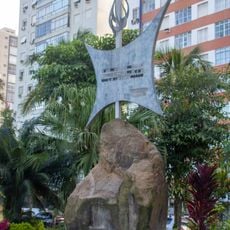
São Vicente Captaincy, Colonial administrative territory in Santos, Brazil
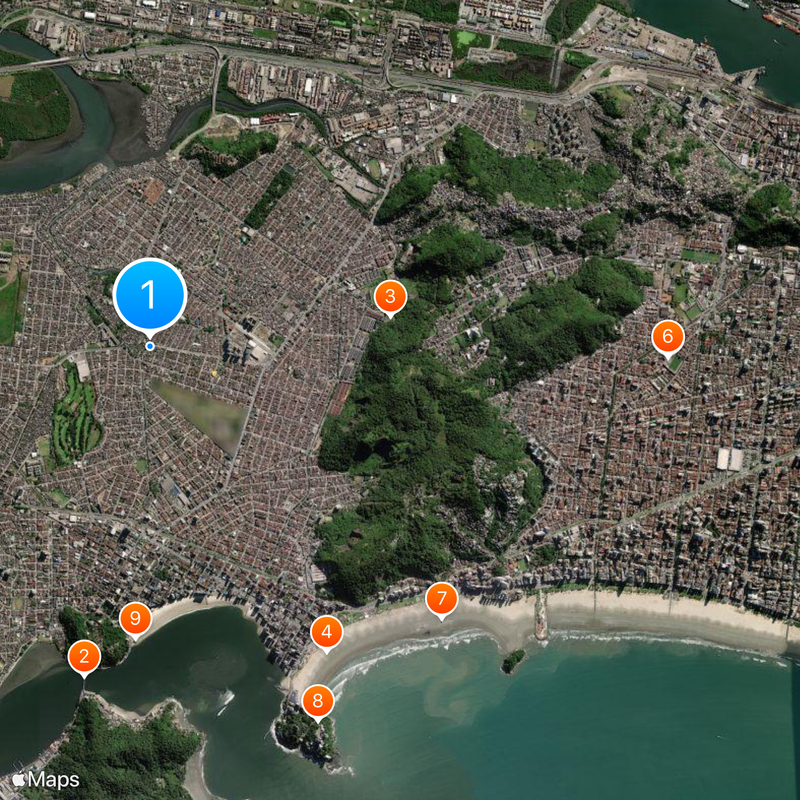
This colonial administrative region consisted of two separate coastal strips along Brazil's shore, spanning from Cananéia to Bertioga and from Parati to Cabo Frio. The territory included settlements such as São Vicente and Piratininga, which served as key administrative centers.
King John III of Portugal established this captaincy in 1534, granting administrative control to Portuguese admiral Martim Afonso de Sousa, who founded the settlements of São Vicente and Piratininga. In 1681, the administrative center shifted to São Paulo, marking a decline in this region's power.
The name honors Saint Vincent and reflects the religious foundation of early Portuguese settlement in the region. Residents viewed this territory as a springboard for inland exploration and the spread of Christianity across the continent.
Visitors can understand this region's history today through its geographic locations, which remain centers of the modern states of São Paulo and Rio de Janeiro. It helps to explore the two coastal zones separately since they are spread far apart and offer different local features.
This was the only successful captaincy in southern Colonial Brazil and laid the groundwork for the formation of São Paulo state. Its coastal position allowed settlers to push inland and claim territories far beyond the Tordesilhas Line.
The community of curious travelers
AroundUs brings together thousands of curated places, local tips, and hidden gems, enriched daily by 90,857 contributors worldwide.