Parque da Rocha Moutonnée, Geological heritage park in Salto, Brazil
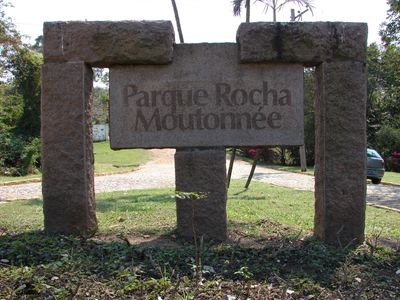
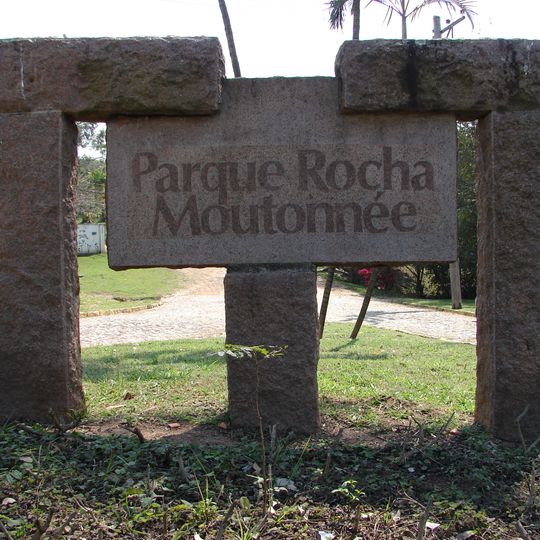
Parque da Rocha Moutonnée is a park in Salto built around a single granite outcrop shaped and scored by a glaciation that affected the southern hemisphere during the Paleozoic Era, between 270 and 350 million years ago. The ice-polished, asymmetrical rock surface is the element visitors come to see.
The outcrop was found in 1946 by Marger Gutmans, a discovery that helped prove the glacial origin of the Itararé Group rocks of the Paraná Basin. In 1990 CONDEPHAAT listed it as a geological monument, and in 1991 the municipality of Salto opened the park around it. Since 2000 it has been one of the Brazilian Geological Sites.
The name refers to the moutonnée shape: a granite surface smoothed and rounded by ice moving over it. The outcrop is the only known example in the Paraná Basin, and its 1946 identification by Marger Gutmans helped confirm the glacial origin of the Itararé Group rocks. Since 2000 it has been listed among Brazil's geological sites.
The outcrop lies within the Rocha Moutonnée park in Salto, run by the municipal government since its inauguration in 1991. The polished granite surface with its glacial striations is best examined in dry weather, when the grooves stand out clearly. The park is a Brazilian geological site, so expect school and university groups studying the Itararé Group rocks.
This is the only known moutonnée rock outcrop in the Paraná Basin, formed during a major glaciation in the Southern Hemisphere. The rarity of this rock type makes the location particularly valuable for geologists and Earth science enthusiasts.
The community of curious travelers
AroundUs brings together thousands of curated places, local tips, and hidden gems, enriched daily by 94,344 contributors worldwide.