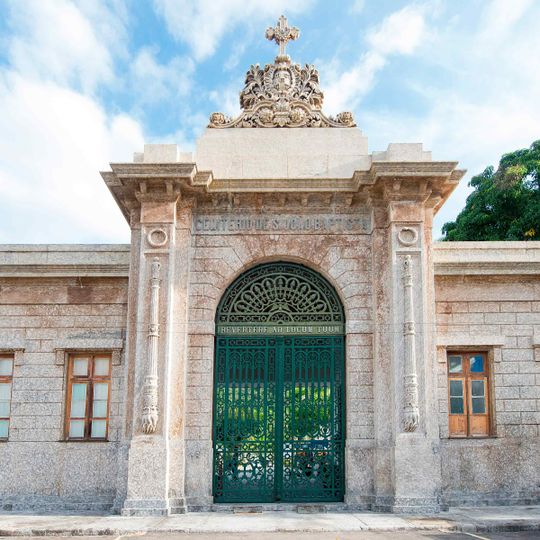
Cemitério de São João Batista, Municipal cemetery in Botafogo, Brazil
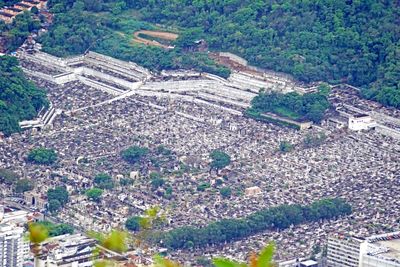
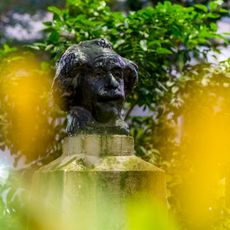
Cemitério de São João Batista is a municipal burial ground in Rio de Janeiro that covers a large area with intricate pathways. The grounds contain hundreds of graves, mausoleums, and monuments featuring neoclassical and art-deco architectural designs throughout.
A decree of 16 October 1851 authorized the Santa Casa da Misericórdia to administer the city's cemeteries, and the first burial took place on 6 December 1851, that of four-year-old Rosana, daughter of the merchant Cândido Maria da Silva. The cemetery was officially inaugurated on 4 December 1852. In August 2014 its administration passed from the Santa Casa to the private concession Rio Pax.
The cemetery is laid out in numbered blocks; block 29 holds the crypts of the Academia Brasileira de Letras, and a plot is reserved for the Sisters of Charity of Saint Vincent de Paul, buried there in gratitude for their care of the Santa Casa's sick and inmates. Art historian José Motta led guided visits from 1989, tracing the shift from neo-Gothic and eclectic tombs to art-deco military graves of the interwar years.
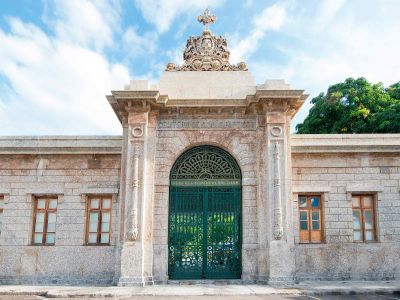
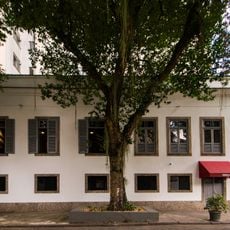
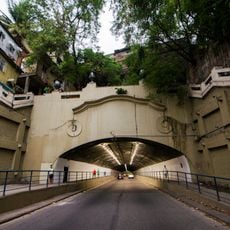
The cemetery lies in Botafogo, the only burial ground in Rio's Zona Sul, and has been run by the private concession Rio Pax since August 2014. The main gate on the entrance carries the inscription CEMITERIO DE S. JOÃO BAPTISTA and the band REVERTERE AD LOCUM TUUM. Visits follow the central chapel of São João Batista, from which the finest tombs and sculptures radiate; the Berquó river runs channelled beneath the grounds.
It became Latin America's first burial ground featured on Google Street View in 2015, allowing people worldwide to virtually explore its artistic graves and monuments. This online access brought attention to the architectural heritage that might otherwise remain unknown to distant visitors.
The community of curious travelers
AroundUs brings together thousands of curated places, local tips, and hidden gems, enriched daily by 92,926 contributors worldwide.