Largo do Boticário, Square in Cosme Velho, Rio de Janeiro, Brazil
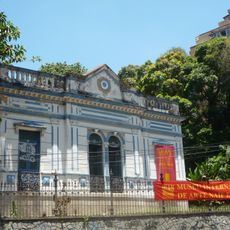
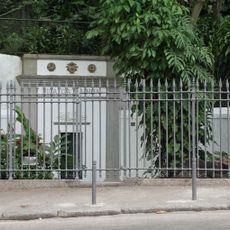
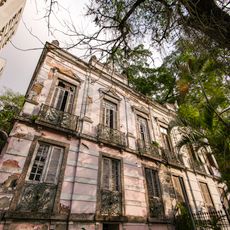
Largo do Boticário is a square in the Cosme Velho neighborhood of Rio de Janeiro, Brazil, reached by a narrow alley called Beco do Boticário that crosses a small bridge over the Carioca River. The square is known for its large neo-colonial houses and dense Atlantic Forest vegetation, and it is one of the few places where the river runs in the open.
The square began to take shape in the 1920s when Edmundo Bittencourt, founder of the Correio da Manhã newspaper, bought the land and started building neo-colonial houses. In the following decades, the diplomat Rodolfo da Siqueira and the Bittencourt family continued the work, and some houses were later renovated with the help of modernist architects Lucio Costa and Gregori Warchavchik.
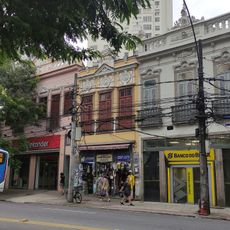
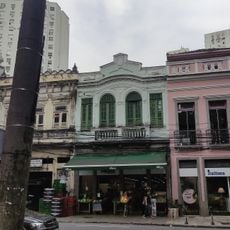
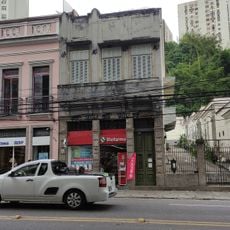
The name of the square comes from an apothecary who once lived here, and today visitors can see the neo-colonial houses that give the place its character. Some of these houses now belong to a hotel, and the square is a stop for those exploring the historic sites of Cosme Velho, such as the Solar dos Abacaxis and the Corcovado railway.
To reach the square, walk through the Beco do Boticário, a narrow alley that passes over a small bridge; the entrance is easy to miss, so look for the signs near the Corcovado railway station. The area is small and can be visited on foot in a short time, but the ground is uneven and there are few places to sit, so wear comfortable shoes and watch your step.
In the 1970s, the square appeared in a scene of the James Bond film Moonraker, which used the location for its exotic look. Also, between 2006 and 2008, one of the empty houses was occupied by a group of homeless people, showing how the place has changed over time.
The community of curious travelers
AroundUs brings together thousands of curated places, local tips, and hidden gems, enriched daily by 94,433 contributors worldwide.