Sambadrome Marquês de Sapucaí, Parade venue in Rio de Janeiro, Brazil
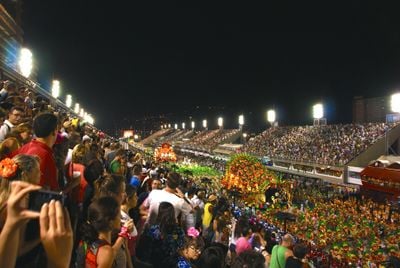
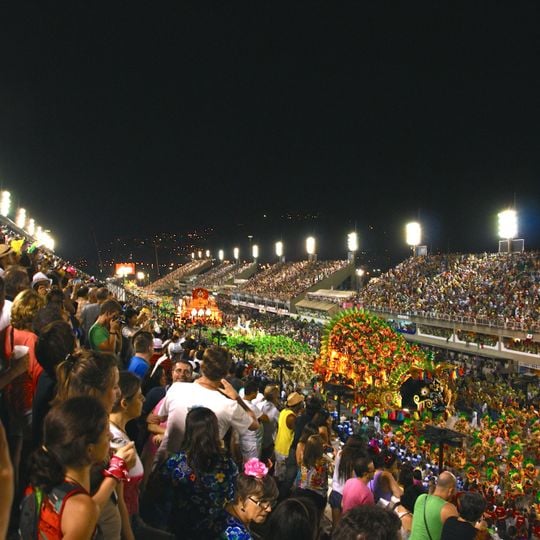
The Sambadrome Marquês de Sapucaí is a 700-meter-long avenue with grandstands on both sides, designed to seat around 90,000 spectators during carnival events. The structure offers different seating categories, from ground-level boxes near the parade route to elevated sections that provide panoramic views.
Architect Oscar Niemeyer completed this complex in 1984, marking his first major project after Brazil's return to democracy. The opening established a permanent venue for carnival celebrations that had previously taken place on city streets without dedicated facilities.
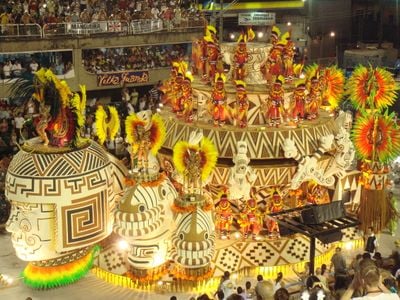
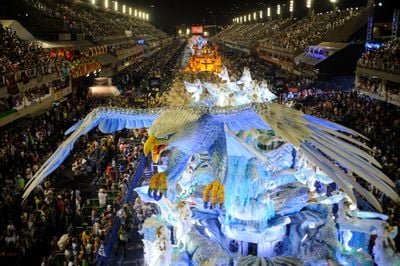
The venue is deeply connected to the annual carnival, where samba schools perform with thousands of dancers, musicians, and decorated floats that showcase the identity of different neighborhoods. These presentations reflect the creativity and pride of the communities that participate in the event.
Visitors can select from different seating categories depending on how close they want to be to the parade or how high up they prefer to sit. The best time to visit is during the main carnival days, though it's wise to plan ahead since good seats sell out quickly.
The Praça da Apoteose at the end of the parade features bleachers arranged in a square shape where performers gather after their presentations. This distinctive area serves as a triumphant conclusion and creates unusual sightlines from multiple angles.
The community of curious travelers
AroundUs brings together thousands of curated places, local tips, and hidden gems, enriched daily by 91,210 contributors worldwide.