Geography of Bolivia, Geographic regions in La Paz, Bolivia
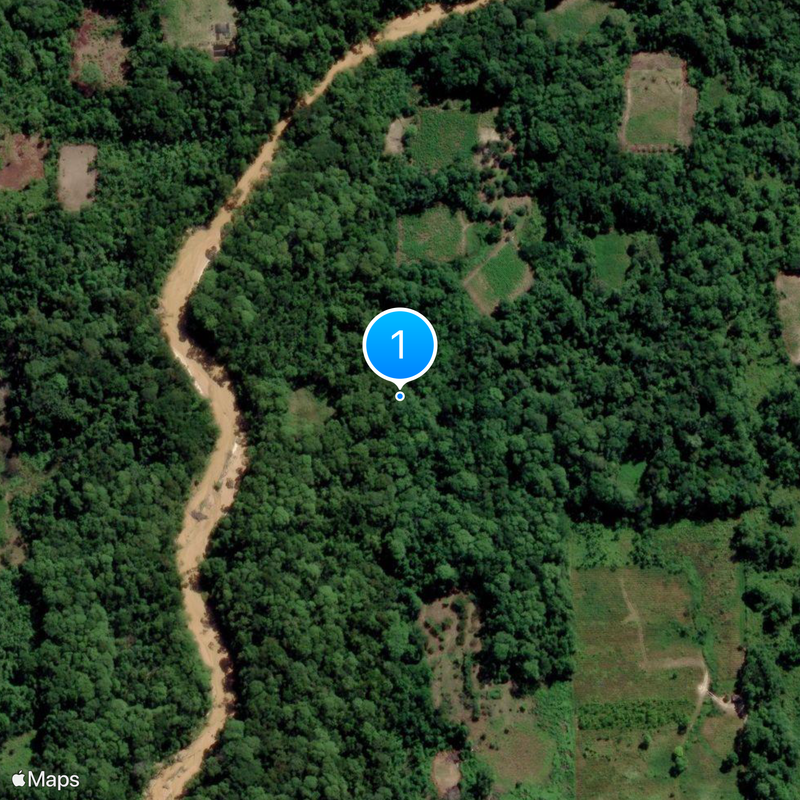
The geography of Bolivia includes landscapes from the Andean highlands to the Yungas valleys and the rainforests of the Amazon basin. These three zones shape the natural conditions and the distribution of settlements across the country.
The territory of Bolivia originally extended to the Pacific coast. The loss of this access following a conflict with Chile in the nineteenth century continues to influence national identity today.
The agricultural zones near Lake Titicaca support Aymara and Quechua communities who maintain traditional farming methods at elevations above 12,000 feet.
Travelers experience different climatic conditions depending on altitude, from cool nights in the highlands to humid warmth in the lowland areas. Adjusting to elevation is especially important during stays above ten thousand feet (three thousand meters).
The Salar de Uyuni offers a mirrored surface during the rainy season that reflects the sky with precision. This thin water layer turns the salt flat into a natural reflection of cloud formations.
The community of curious travelers
AroundUs brings together thousands of curated places, local tips, and hidden gems, enriched daily by 91,658 contributors worldwide.