Omugulugwombashe, heritage site in Namibia
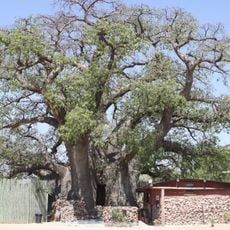
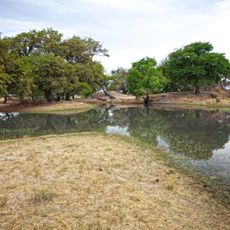
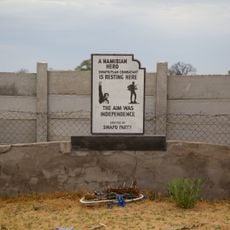
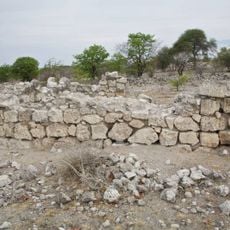
Omugulugwombashe is a settlement in the Tsandi constituency, Omusati Region, with a clinic and a primary school. Its commemorative site includes a state cemetery, a memorial shrine inaugurated by Sam Nujoma on 26 August 2013, and a statue of six SWALA fighters unveiled by Hifikepunye Pohamba on 21 May 2014. The area is forested, on the western fringes of the Cuvelai Basin.
This location marks where the Namibian independence struggle began in 1966, a turning point that set the course for the nation's future. The events that unfolded here shaped the trajectory toward freedom and self-determination.
The name Omugulugwombashe comes from Otjiherero and means "giraffe leg". Every 26 August, Heroes' Day, Namibians commemorate the 1966 attack here; the UN marks the same date as Namibia Day. The country's highest SWAPO party decoration is the Ongulumbashe Medal, and the graves of the six fighters shown in the 2014 statue lie on the grounds.
Omugulugwombashe lies 22 km west of Tsandi on the D3633 gravel road in the Omusati Region. The settlement has a clinic and a primary school, and the memorial ground with its state cemetery, shrine and six-figure statue stands in forested country on the western fringes of the Cuvelai Basin. Allow time to walk between the graves and monuments.
The site's name comes from Otjiherero and means "giraffe leg". Namibia's first luxury passenger train, the Omugulugwombashe Star, was named after the battle when it was inaugurated on 15 July 2006 for the Windhoek–Ondangwa route; the Chinese-built train was withdrawn after a few runs because its locomotives failed and did not suit the national network.
The community of curious travelers
AroundUs brings together thousands of curated places, local tips, and hidden gems, enriched daily by 92,954 contributors worldwide.