Soom Shale, Geological formation in Western Cape, South Africa.
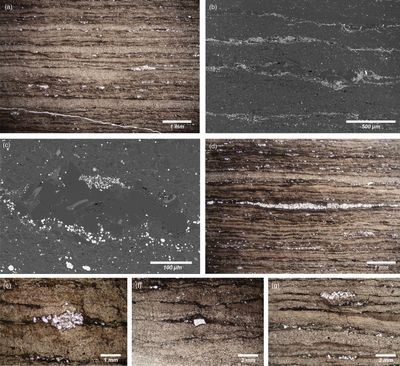
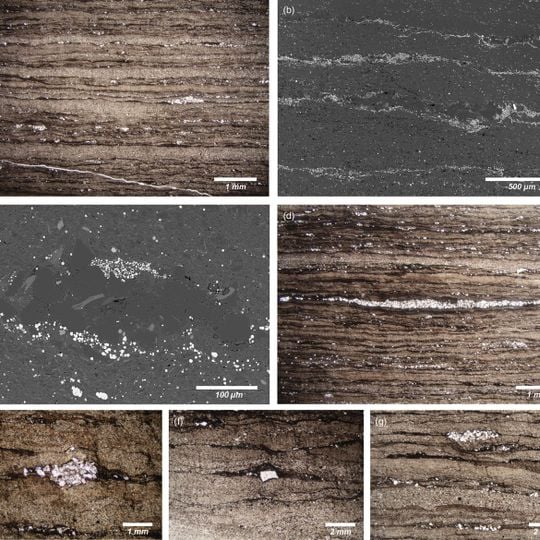
Soom Shale is a geological formation in Western Cape composed of dark, fine-grained mudstone layers that accumulated on an ancient seafloor. The rock beds are organized in distinct sections that visitors can examine to understand how this marine environment developed over time.
The Soom Shale is a member of the Late Ordovician Hirnantian Cederberg Formation, deposited in the immediate aftermath of the Hirnantian glaciation, the most likely primary cause of the Late Ordovician mass extinction. In 1958 trace fossils were first discovered, and in 1967 brachiopods and trilobites were reported, the first lower Palaeozoic fauna described from South Africa. In 1983 conodonts with soft tissue were found, and in 1995 conodonts with muscle tissue.
The site lies near Keurbos Farm, about 13 km south of Clanwilliam. Fossils were first noted there in 1958 as trace fossils, and in 1983 conodonts with soft tissue were found; Promissum pulchrum preserved cartilaginous eye supports, showing conodonts were early fish. In 1995 muscle tissue was recovered, and specimens of the eurypterid Onychopterella retain details of musculature and guts.
Access to the site requires prior permission from local authorities who manage the area. Sturdy footwear and basic safety gear are advisable since the terrain is uneven and rock exposure can be sharp.
The Soom Shale lies at 32° south latitude yet formed in a cold, glacially influenced sea. Conodont fossils with preserved soft tissue, including cartilage-supported eyes of Promissum pulchrum, helped confirm that conodonts were early vertebrates. Muscle and gut details of the eurypterid Onychopterella have also been found.
The community of curious travelers
AroundUs brings together thousands of curated places, local tips, and hidden gems, enriched daily by 94,003 contributors worldwide.