Great Zimbabwe, Stone ruins of a royal city in Masvingo Province, Zimbabwe
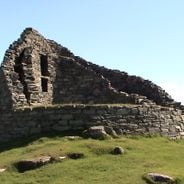
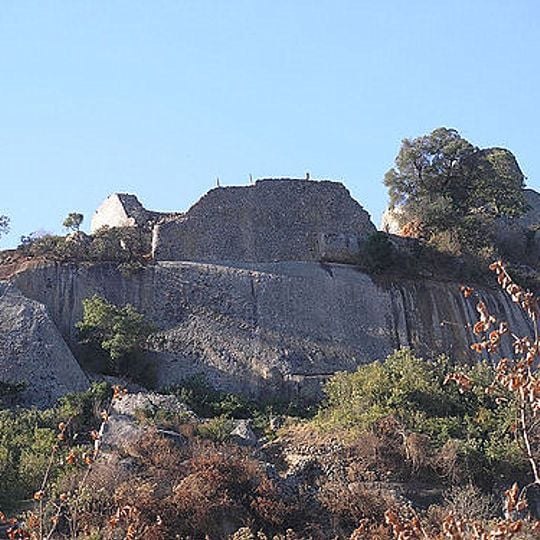
Great Zimbabwe is an archaeological site in Masvingo Province, Zimbabwe, whose remains cover roughly 730 hectares. The complex consists of massive granite walls built without mortar, divided into three distinct architectural zones.
The settlement grew between 1100 and 1450 as the capital of the Kingdom of Zimbabwe, controlling trade routes that reached the East African coast. The site was abandoned during the 15th century for reasons that remain debated among researchers.
The name Zimbabwe comes from the Shona dzimba-mabwe, "houses of stone"; the Portuguese captain Vicente Pegado recorded it as Symbaoe in 1531, noting that it meant "court". Shona spirit mediums (svikiro) at the Hill Complex shrine were held to act as the conscience of the state and to keep the founders' traditions.
Minibuses run regularly from Masvingo town to the site, and the journey from Harare takes around five hours by road. Comfortable walking shoes are recommended since pathways can be uneven and some sections involve climbing.
The outer wall of the Great Enclosure reaches heights of around 36 feet (11 meters) at certain points without any mortar holding the stones together. Birds carved from soapstone were found within the site, and the country of Zimbabwe took its name from these ancient stone structures.
The community of curious travelers
AroundUs brings together thousands of curated places, local tips, and hidden gems, enriched daily by 92,079 contributors worldwide.