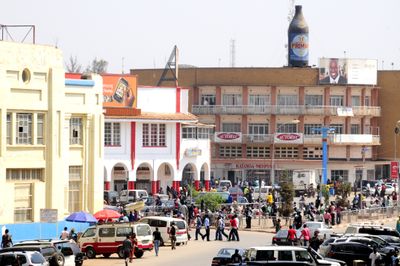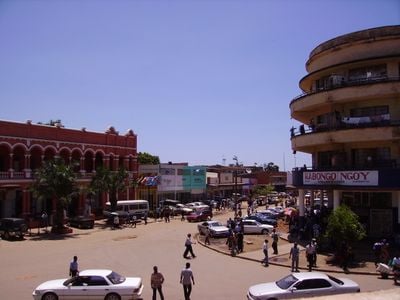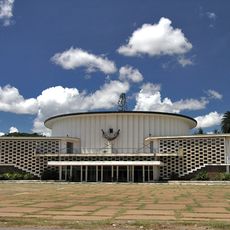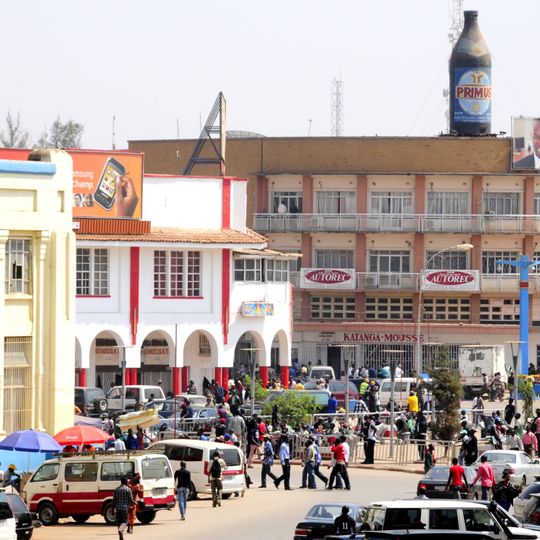
Lubumbashi, Mining metropolis in southeastern Democratic Republic of the Congo.
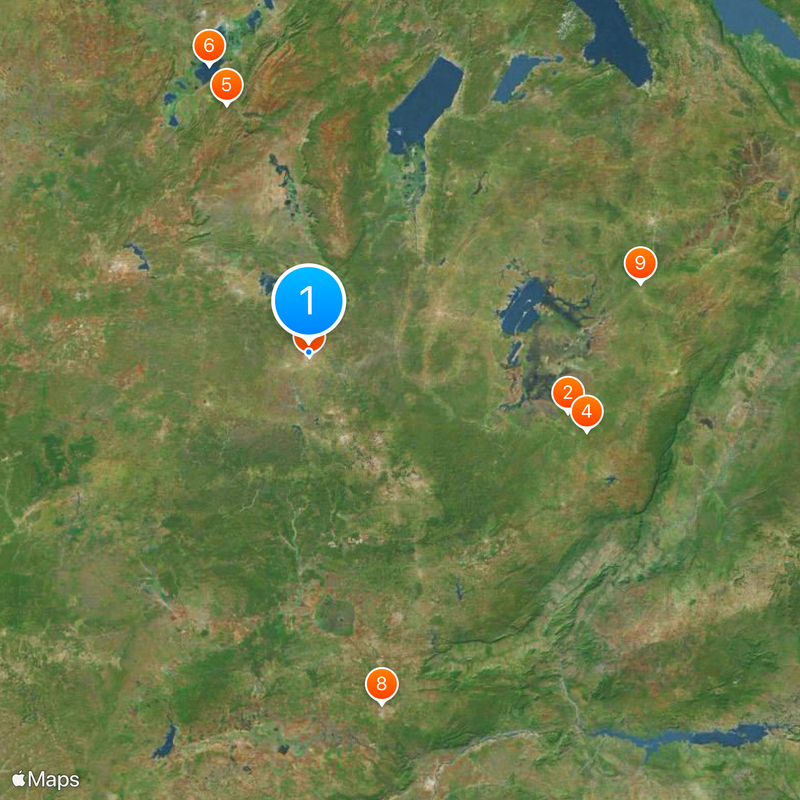
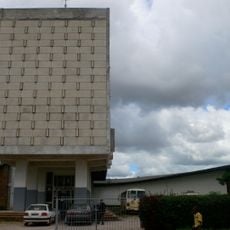
Lubumbashi is a large city in southeastern Democratic Republic of the Congo and sits close to the Zambian border. The settlement spreads across several hills and wide roads that are surrounded by residential neighborhoods and commercial zones.
Belgian settlers founded the place in 1910 as Élisabethville to extract copper deposits from the region. After independence, the town received its current name in 1966.
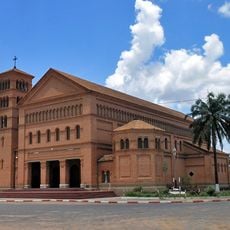
The Cathedral of Saint-Pierre-et-Paul from the 1920s stands downtown and displays colonial brickwork facades that worshippers visit today. In residential neighborhoods, markets shape daily life, where vendors sell vegetables, fabrics and household goods and speak Swahili and Kiluba.
The international airport connects the town with Kinshasa and other destinations through several weekly flights. Buses and taxis operate within the urban area, although main roads can become difficult to pass during the rainy season.
A tree called the Lubumbashi tree grows at the edge of town and once served as a meeting point for traders and travelers. Local people still use its fruits today for food and medicine.
The community of curious travelers
AroundUs brings together thousands of curated places, local tips, and hidden gems, enriched daily by 60,000 contributors worldwide.