Bujumbura Rural Province, province of Burundi
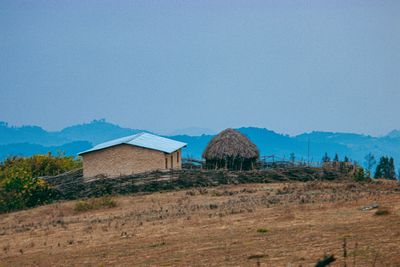
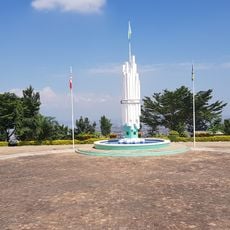
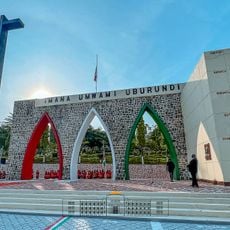
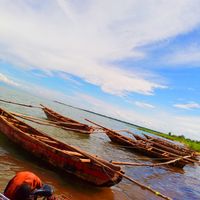
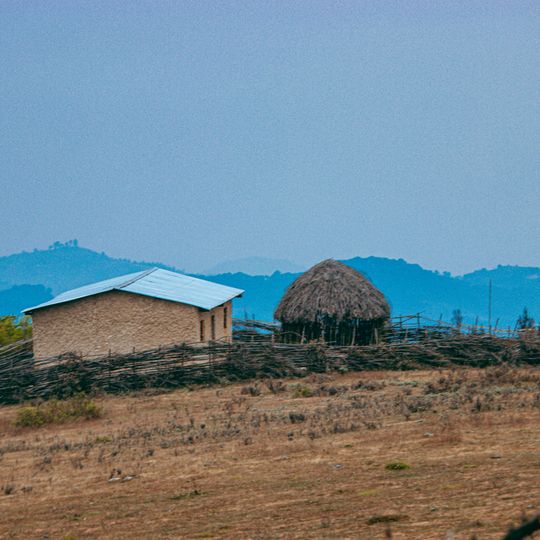
Bujumbura Rural Province is an administrative territorial entity in Burundi situated in the western part of the country and characterized by villages, farms, and nine smaller districts. The landscape varies between rolling green hills, fertile plains, and valleys, with Lake Tanganyika forming the western border and influencing local climate and economy.
The province was officially established as a separate administrative unit around 1991 and surrounded the city of Bujumbura, which was then the national capital. In 2025, it merged into a larger Bujumbura Province as part of an administrative reorganization.
The region is home to diverse ethnic groups whose traditions shape daily life and local celebrations. In villages and markets, visitors can experience the warmth of communities that keep their customs alive through music, dance, and shared meals.
Visitors should prepare for basic conditions as many roads outside larger towns are unpaved and local services are limited. The best experience comes from slow travel on foot or by bicycle to fully discover rural landscapes and village communities.
The region comprises nine distinct districts, each with its own local traditions and community events. This variety of smaller communities creates a mosaic of different ways of life within a single province.
The community of curious travelers
AroundUs brings together thousands of curated places, local tips, and hidden gems, enriched daily by 91,598 contributors worldwide.