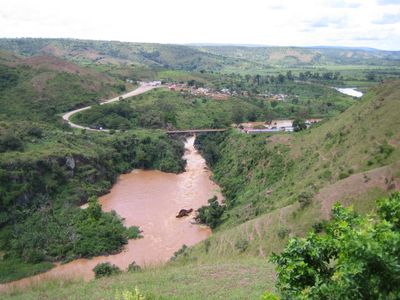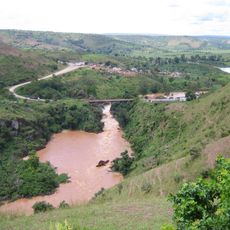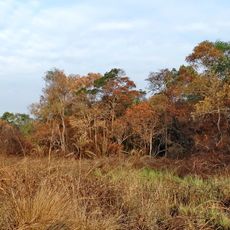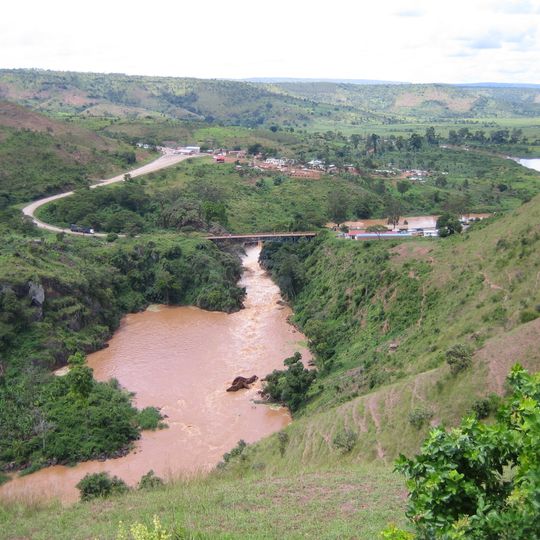
Kagera River, River tributary at Lake Victoria border, Uganda.
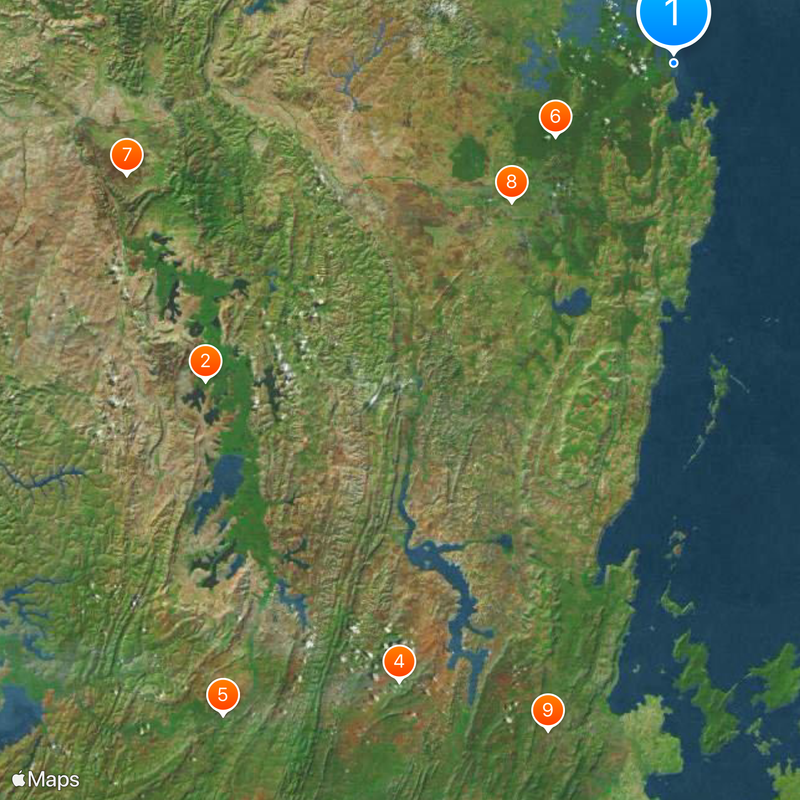
The Kagera River is an East African waterway that extends roughly 600 kilometers from highland sources through several countries before reaching Lake Victoria. It collects water from mountain regions and flows through varied landscapes, gathering numerous smaller tributaries along the way.
The river was first explored by European Richard Kandt in 1898, marking an important moment in mapping East African geography. This exploration contributed to understanding the region's water systems and drainage patterns.
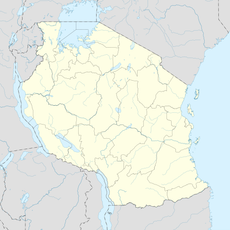
The river marks the borders between Rwanda, Burundi, Tanzania, and Uganda, shaping regional identity for communities along its course. Local people have adapted to living with this natural boundary for generations, using it for everyday activities like fishing and water collection.
The river is easiest to approach during the dry season when water levels drop and banks become more accessible. Visitors should move carefully along the banks as the ground can be slippery and currents vary depending on the time of year.
The upper basin holds at least 15 fish species found nowhere else and not yet formally described by scientists. These rare cichlids are an important part of the local ecosystem and show how little we know about some river regions.
The community of curious travelers
AroundUs brings together thousands of curated places, local tips, and hidden gems, enriched daily by 91,817 contributors worldwide.