Uganda, Landlocked country in East Africa
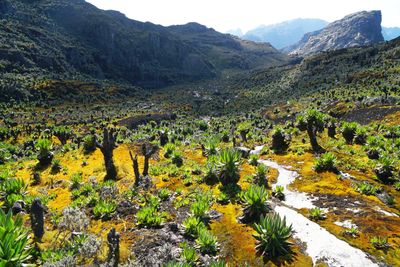
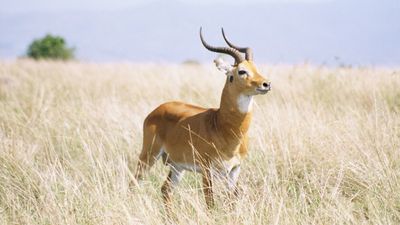
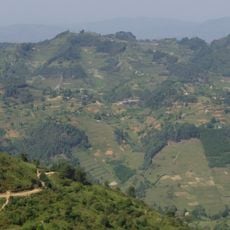
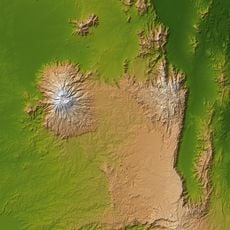
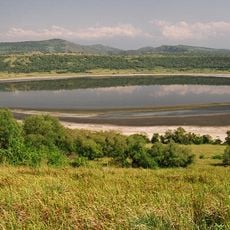
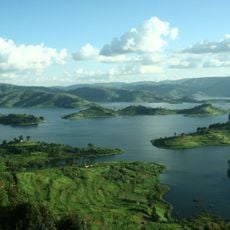
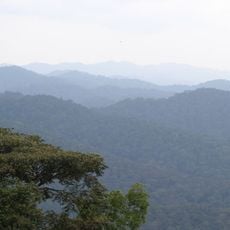
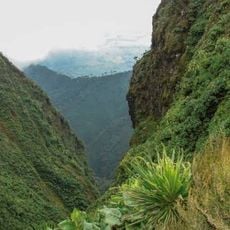
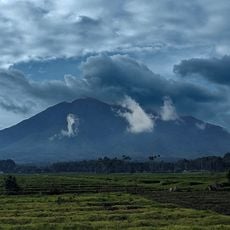
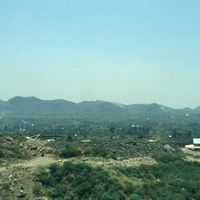
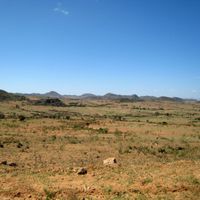
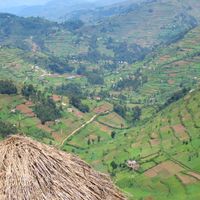
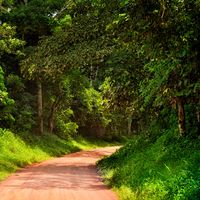
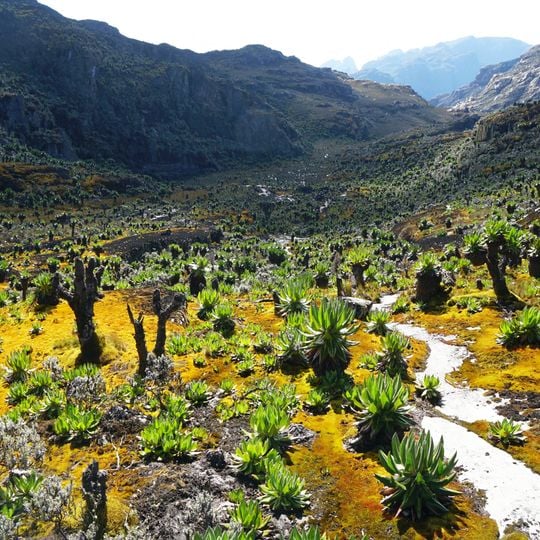
Uganda is a landlocked country in eastern Africa whose central highlands are covered with rainforest and whose volcanic mountain ranges in the east and west mark the borders with Kenya, Tanzania, Rwanda and South Sudan. The Albertine Rift runs through the western part with deep valleys and many lakes, while savannas stretch across the northern region and support diverse wildlife.
After decades of British colonial administration, the country gained independence in October 1962. The following years brought political unrest under Milton Obote and Idi Amin, whose rule during the 1970s was marked by severe human rights violations.
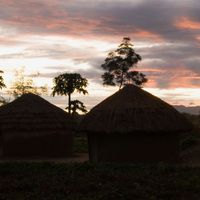
More than 60 ethnic groups speak their own languages and follow different customs, while English and Swahili help people communicate in everyday situations. Music and dance take center stage during festivals and ceremonies, and crafts like basket weaving and pottery are passed down through families in many villages.
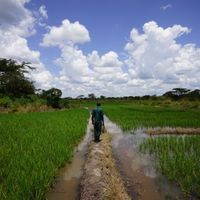
Agriculture forms the economic foundation with coffee, tea and cotton as major exports, while local farmers mainly grow maize and bananas. The dry seasons from December through February and from June through August are considered favorable for wildlife viewing and trekking in the national parks.
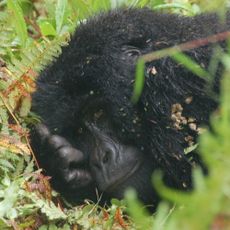
The country is home to more than half of the world's remaining mountain gorillas, which live in Bwindi and Mgahinga national parks in the volcanic mountains. This population has grown from fewer than 300 individuals in the 1980s to over 450 today after decades of conservation work.
The community of curious travelers
AroundUs brings together thousands of curated places, local tips, and hidden gems, enriched daily by 90,759 contributors worldwide.