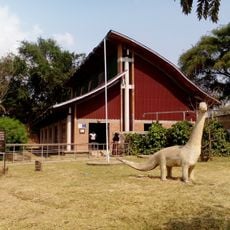
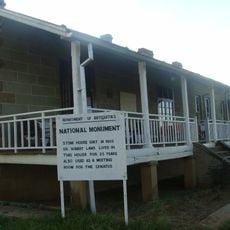
Manda Formation, Geological formation in Iringa Region, Tanzania
The Manda Formation is a layered geological structure in the Ruhuhu Basin made up of sandstone, mudstone, and marl deposits. The different rock types visible in its profile reflect the changing conditions that existed when these layers formed.
The formation was first documented through systematic research by British geologist G.M. Stockley in 1932, who classified it within the Songea Series framework. His foundational work established how scientists understood these Middle Triassic deposits.
The formation draws paleontologists from around the world who come to study Triassic-era fossils preserved in its layers. Visitors encounter a place where scientific research brings ancient reptile history to life through ongoing investigation.
Researchers must obtain permits from Tanzanian authorities and coordinate with local geological departments before conducting field studies at the site. Advance preparation is important because access depends on current research needs and local conditions.
The formation holds fossils of early dinosaur-like archosaurs, including specimens of Asilisaurus that offer new insights into how these creatures evolved. These discoveries reveal what primitive reptiles looked like and how they developed during the Triassic era.
The community of curious travelers
AroundUs brings together thousands of curated places, local tips, and hidden gems, enriched daily by 91,805 contributors worldwide.