Wonnerup House, Heritage site in Busselton, Western Australia
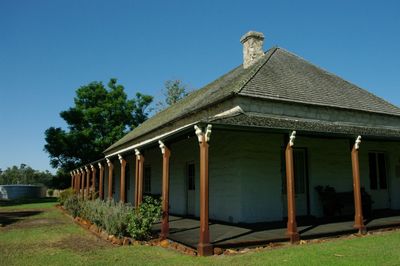
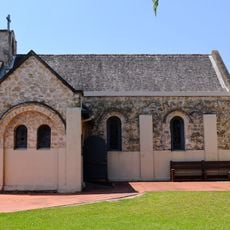
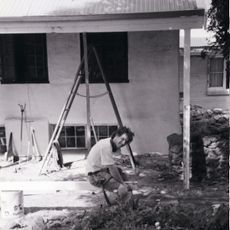
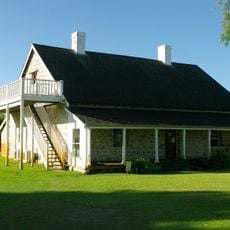
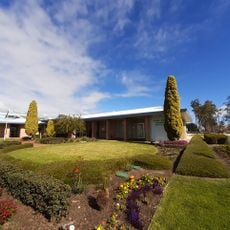
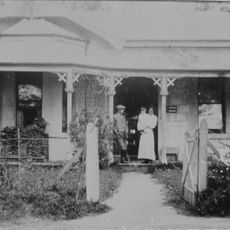
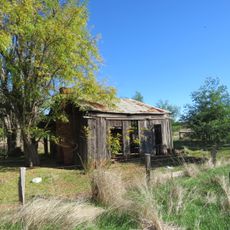
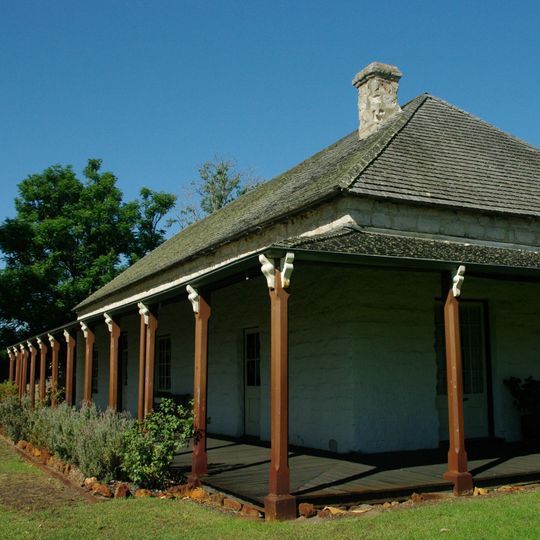
Wonnerup House is a limestone homestead built in 1859 by George Layman Jr, replacing an 1837 cottage that burned down; the separate 1837 dairy and kitchen survived the fire. The main house began with four rooms and a hall, gained a kitchen and scullery around 1862, and a bathroom and toilet in 1925. Its wooden shingles were later covered with corrugated iron.
George Layman Sr took up Sussex lot 3, about 200 hectares, and built a cottage on the land in 1837; he was speared to death by Wardandi elder Gaywal in February 1841. After the cottage burned in February 1858, his son George Layman Jr built the present house in 1859 of local limestone and timber, adding a kitchen and scullery around 1862 and a bathroom and toilet in 1925. The National Trust bought the precinct in 1971 and opened it in 1973.
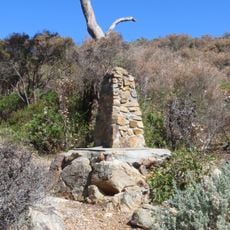
The name Wonnerup comes from the Noongar word wanna, a woman's digging stick, with -up meaning 'place of'. The Layman family's collection, sold with the farm in 1962, included Aboriginal artefacts gathered since 1829. The main gates, mounted on limestone columns, carry a tablet commemorating George Layman Sr.
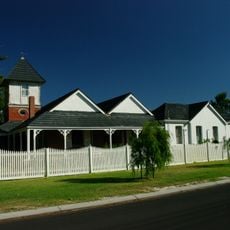
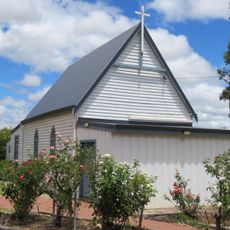
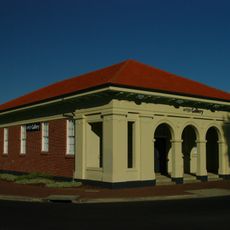
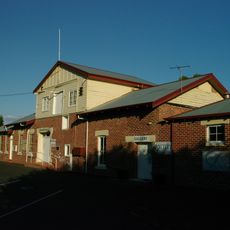
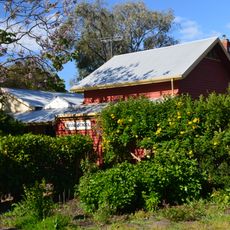
The house, dairy, kitchen, stables, blacksmith workshop, school and teacher's house stand on opposite sides of the road, so allow time to cross between them. The National Trust opened the precinct to the public in 1973; check current opening days before travelling.
The main gates are cast-iron mounted on limestone columns, erected in memory of George Layman Sr. A tablet set into the columns records his arrival in Western Australia in 1829, Augusta in 1830, Wonnerup in 1834 and that he was speared in 1841. The 1971 National Trust purchase included the family's furniture, personal effects and Aboriginal artifacts collected since 1829.
The community of curious travelers
AroundUs brings together thousands of curated places, local tips, and hidden gems, enriched daily by 94,769 contributors worldwide.