Australia, Continental nation in Oceania
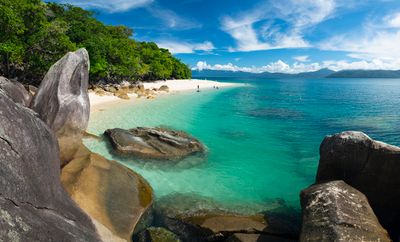
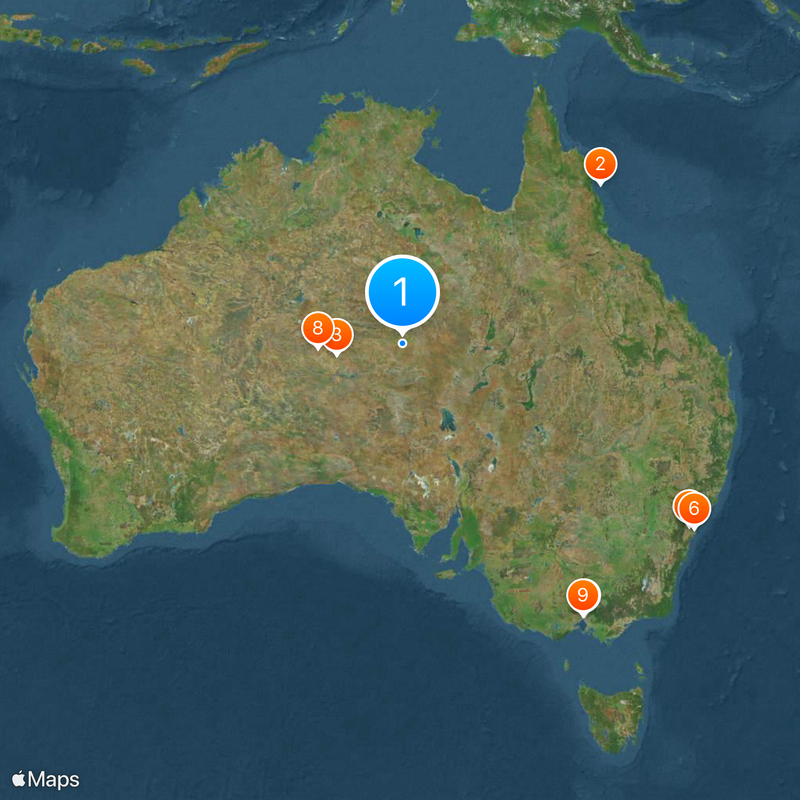
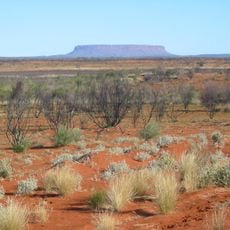
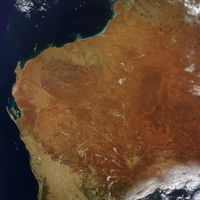
Australia is a continental landmass in Oceania that sits between the Indian Ocean and the Pacific Ocean, encompassing the mainland along with Tasmania and several smaller islands. The topography ranges from tropical rainforests in the north through vast desert regions at the centre to temperate forests and coastal plains in the south.
First Nations peoples inhabited this continent for more than 65,000 years before European explorers arrived in the 17th century and charted the coastlines. British colonization began in 1788 with the establishment of a penal colony in New South Wales, leading to gradual settlement and the formation of several colonies that federated into the present nation in 1901.
The name Australia derives from the Latin 'australis,' meaning southern, reflecting the landmass's position below the equator. Locals often use the nickname 'Oz' in everyday conversation, while many place names and landscape features retain their original designations from First Nations languages.
English is the main language in everyday interactions, while the Australian dollar is the common currency across all states and territories. The continent spans several time zones, so travelers need to adjust their clocks depending on the region they visit.
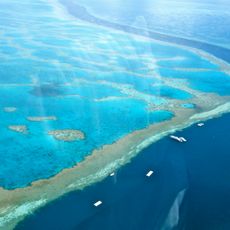
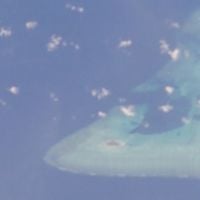
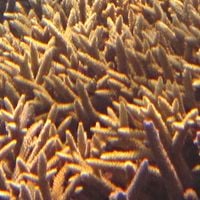
More than 80 percent of the native plant and animal species are found nowhere else on Earth, making this continent a living laboratory of evolution. The Great Barrier Reef off the northeast coast is the largest structure created by living organisms on the planet and visible from space.
The community of curious travelers
AroundUs brings together thousands of curated places, local tips, and hidden gems, enriched daily by 91,674 contributors worldwide.