Outback, Remote wilderness region in inland Australia
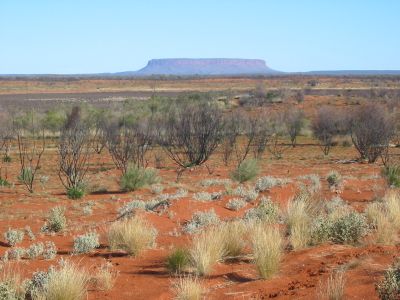
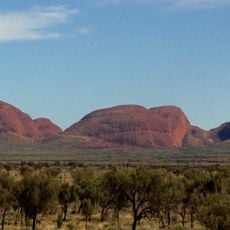
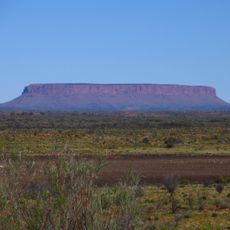
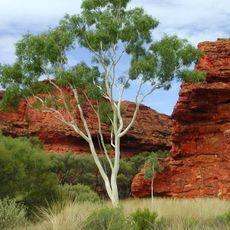
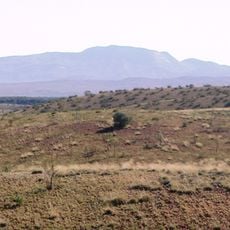
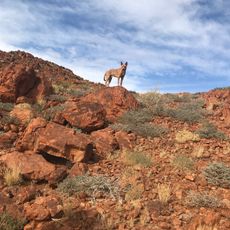
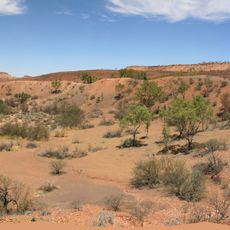
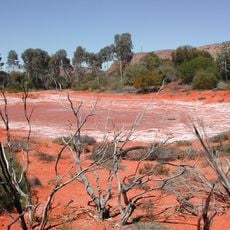
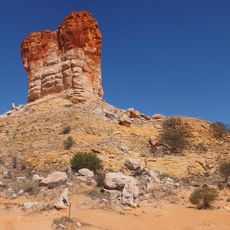
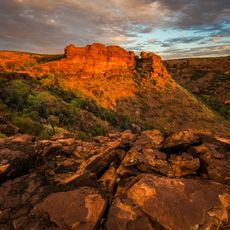
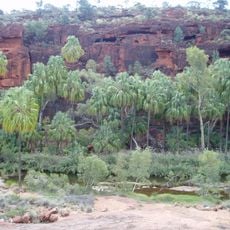
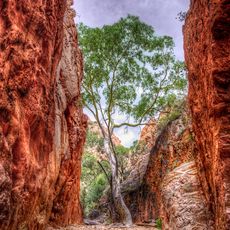
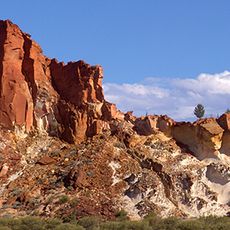
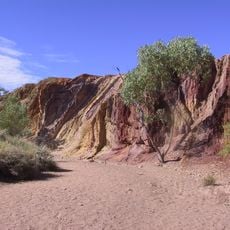
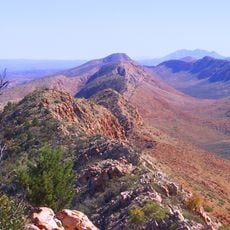
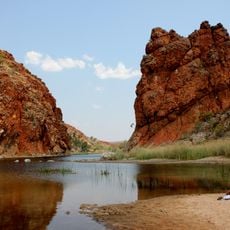
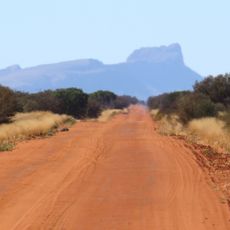
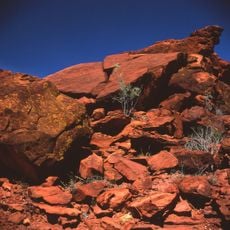
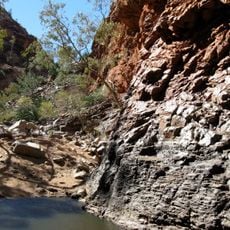
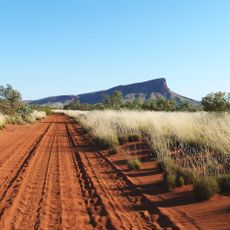
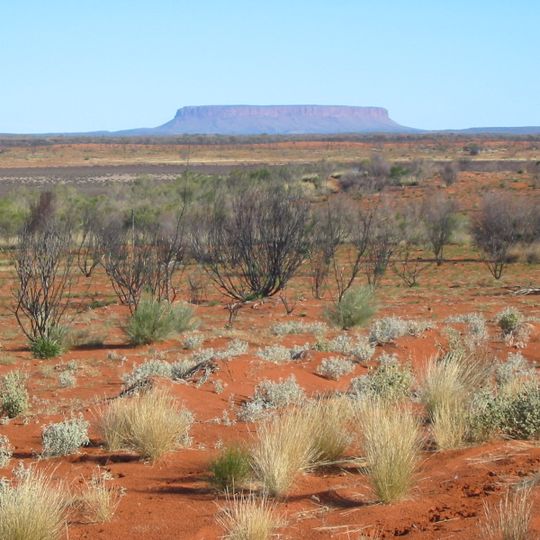
The Outback covers most of the Australian continent and includes dry plains, red sand deserts, and scattered mountain ranges. This region shows a landscape that extends thousands of kilometers without towns or paved roads.
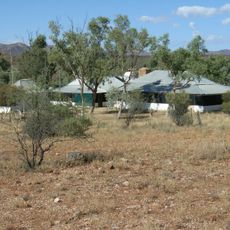
European explorers began mapping these remote areas in the early 19th century, often following existing indigenous water routes. Later, scattered settlements formed around cattle farming and mining that remain today.
The term itself emerged during European settlement and now describes for Australians any area far from coastal cities. Many locals see these wide landscapes as a central part of national identity and connect them with freedom and independence.
Visitors should carry plenty of drinking water at all times and check vehicle and equipment regularly before driving unpaved tracks. A satellite phone or emergency beacon can be lifesaving when mobile coverage is absent.
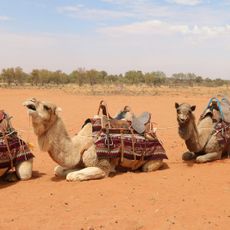
Feral camels, descendants of animals brought by Afghan cameleers from 1858 onward, roam central Australia; their dark silhouettes against the sky are a common sight. The cameleers and their beasts opened up the Outback and helped build its infrastructure.
The community of curious travelers
AroundUs brings together thousands of curated places, local tips, and hidden gems, enriched daily by 92,652 contributors worldwide.