See the monuments around you in AROpen chests in the app
Around Us is built for your phone — point your camera at the streets and discover the monuments and places around you in augmented reality.Around Us is built for your phone — chests unlock when you walk, explore and capture nearby places.
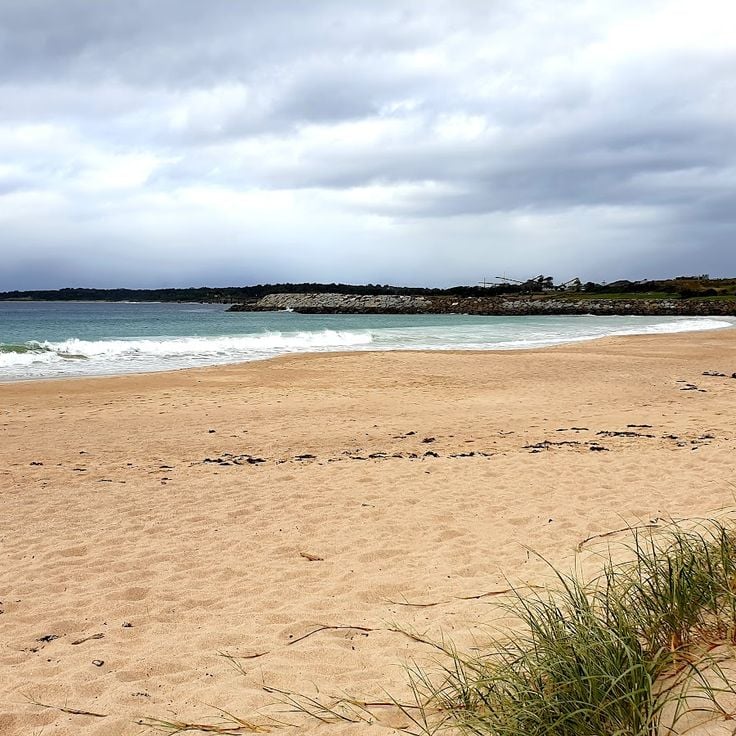
Australia's long coastline offers some of the world's most varied beaches, each with its own character. You will find stretches of white sand meeting clear water in shades of blue and turquoise. Some beaches draw families who want to swim in safe, sheltered spots. Others attract surfers who travel from far and wide to ride the waves. Every beach has something to discover: you might watch dolphins and sea turtles, explore rock formations shaped by centuries of weather, or simply walk along the shore at sunset. From the tropical north where the sand is warm year-round to the cooler southern beaches where the landscape turns wilder and more rugged, Australia's beaches show the different faces of the country. Places like Lucky Bay near Cape Le Grand, with its pale sand and sheltered cove, contrast sharply with the dramatic cliffs of Wineglass Bay in Tasmania. The northern beaches around Port Douglas and Broome feel tropical and warm, while southern spots like Bells Beach in Victoria draw those who love cooler water and powerful waves. Between these points lie hundreds of other beaches, each offering its own reasons to visit.
Australia's long coastline offers some of the world's most varied beaches, each with its own character. You will find stretches of white sand meeting clear water in shades of blue and turquoise. Some beaches draw families who want to swim in safe, sheltered spots. Others attract surfers who travel from far and wide to ride the waves. Every beach has something to discover: you might watch dolphins and sea turtles, explore rock formations shaped by centuries of weather, or simply walk along the shore at sunset. From the tropical north where the sand is warm year-round to the cooler southern beaches where the landscape turns wilder and more rugged, Australia's beaches show the different faces of the country. Places like Lucky Bay near Cape Le Grand, with its pale sand and sheltered cove, contrast sharply with the dramatic cliffs of Wineglass Bay in Tasmania. The northern beaches around Port Douglas and Broome feel tropical and warm, while southern spots like Bells Beach in Victoria draw those who love cooler water and powerful waves. Between these points lie hundreds of other beaches, each offering its own reasons to visit.
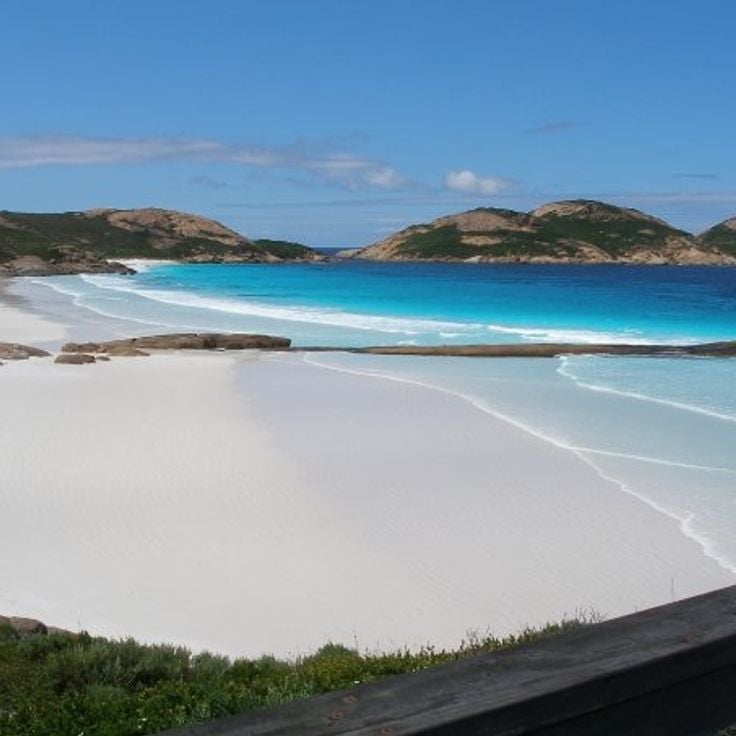
Lucky Bay stretches for 5 kilometers along the coast of Cape Le Grand National Park in Western Australia. The fine white sand consists of quartz crystals and ranks among the purest beaches on the continent. The sea displays turquoise and azure tones created by the shallow water and light-colored seabed. Grey kangaroos from the nearby bushland regularly visit the beach to rest near the water. The bay sits protected between granite outcrops and provides access to several walking trails through the national park.
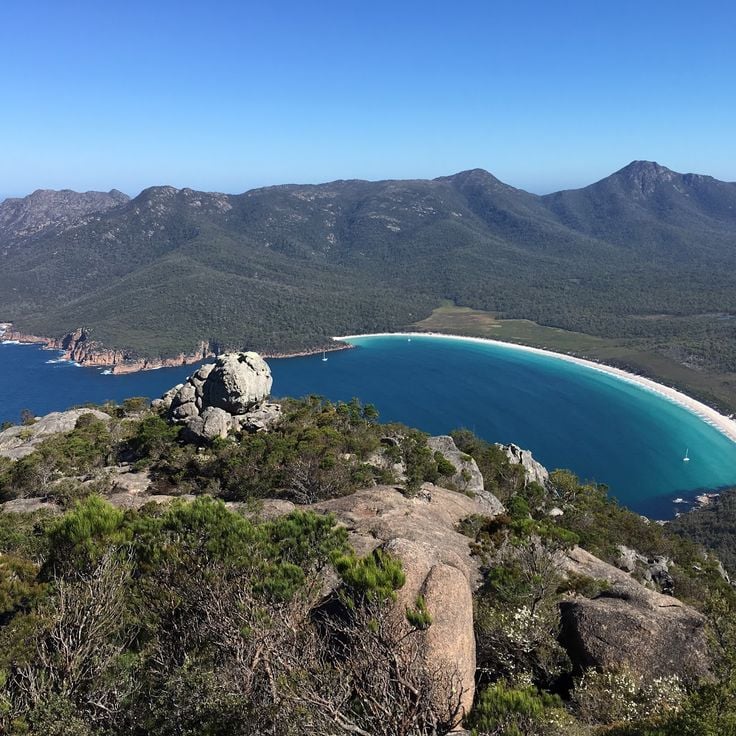
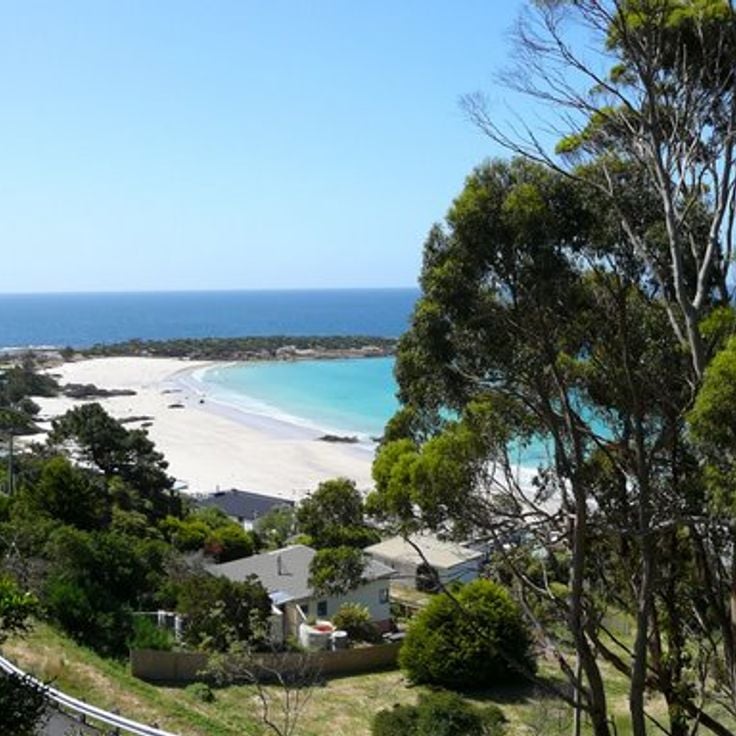
Wineglass Bay forms a crescent-shaped bay with pink granite rocks and clear water on the east coast of Tasmania. The beach stretches 500 metres and is surrounded by dense eucalyptus forests and Tasmanian bushland. The bay sits within Freycinet National Park and is accessible via a walking track from the car park.
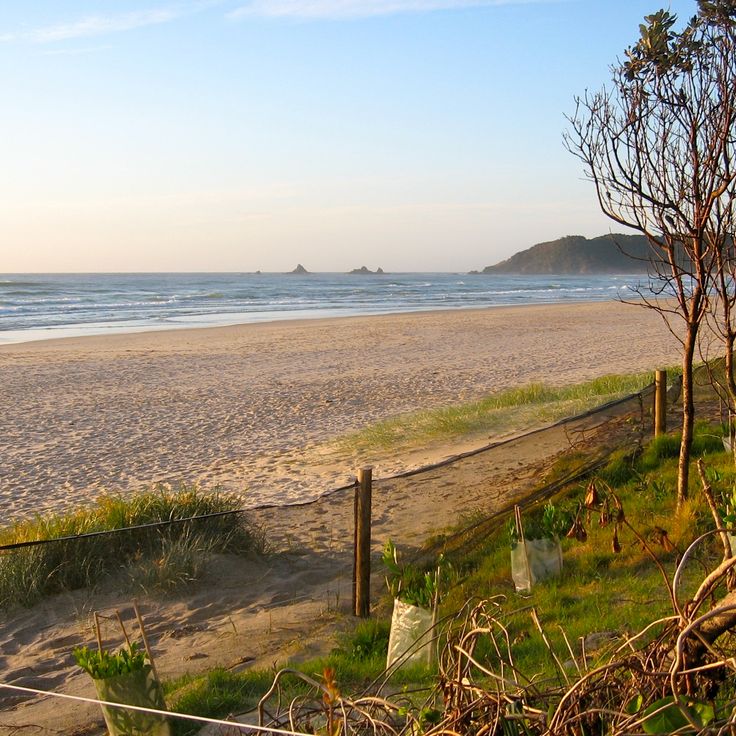
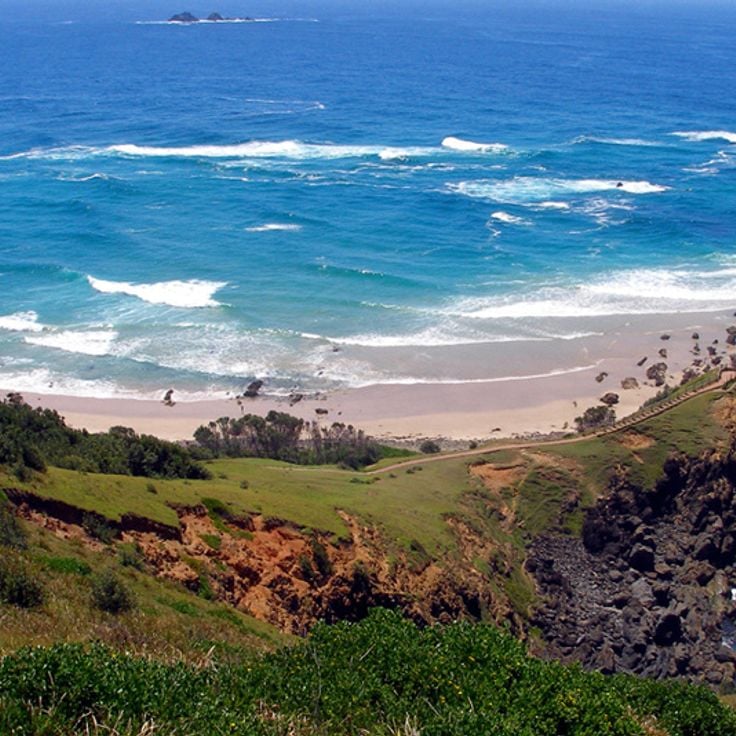
Byron Bay sits on Australia's east coast and attracts surfers from around the world. The beaches provide consistent waves, while dolphins are regularly spotted in the waters offshore. The Cape Byron Lighthouse stands at the easternmost point of mainland Australia and offers views across the Pacific Ocean. The town combines water sports with nature observation along the coastline.
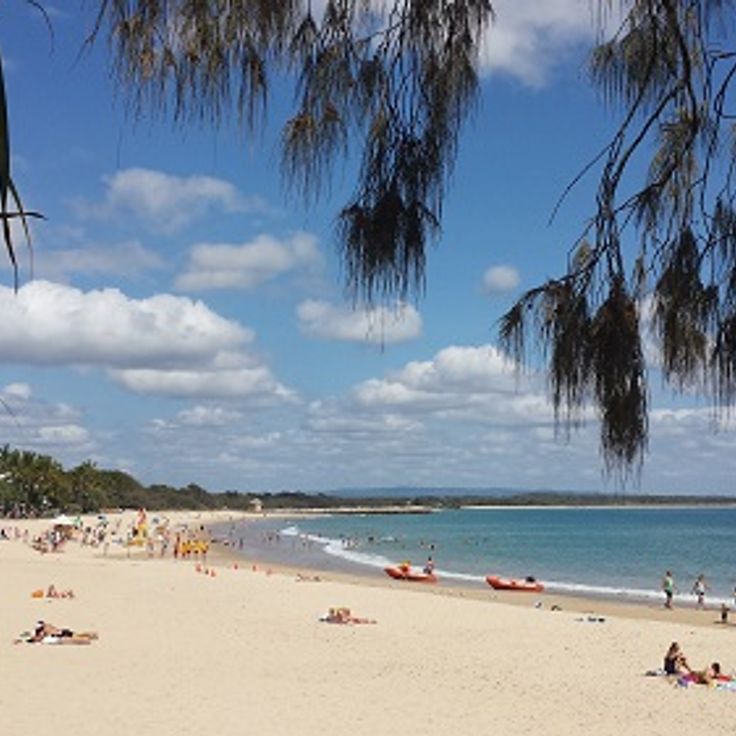
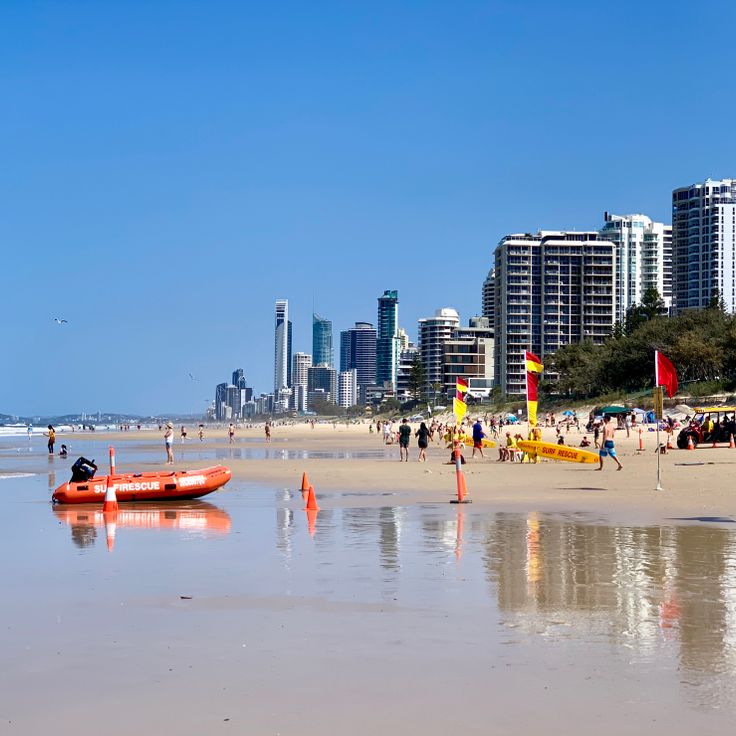
Noosa Main Beach is located in a sheltered bay on the Sunshine Coast, offering calm waters suitable for swimming and families. The beach is patrolled by lifeguards daily. A promenade with restaurants, cafes and shops runs along the waterfront. The sandy beach extends for several hundred meters. Parking facilities are available near the beach.
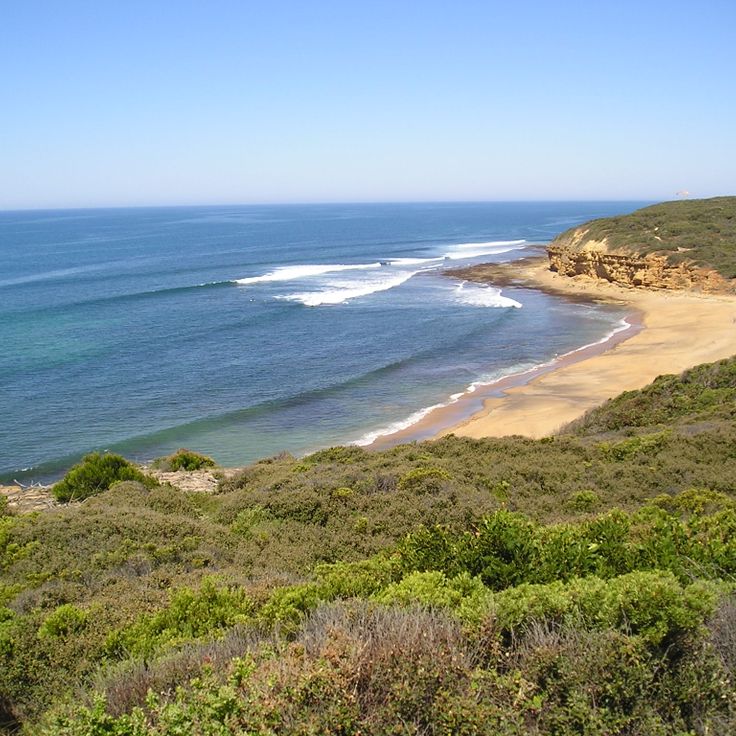
Bells Beach sits on the Surfcoast between Torquay and Anglesea. The coastline offers several surf breaks with reef formations that work during southwest swells. The beach has hosted the Rip Curl Pro since 1961, one of the longest running professional surfing competitions worldwide. Waves typically range from one to three metres, with larger swells producing bigger sets. Access is via stairs from the clifftop. Parking facilities are available.
Hyams Beach is located on the southern coast of New South Wales within Jervis Bay and is recognized for its white quartz sand, which ranks among the brightest in the world. The clear waters invite swimming and snorkeling, with temperatures ranging between 20 and 24 degrees Celsius throughout the year. The beach extends for several hundred meters and is bordered by coastal vegetation. The area provides access to walking trails in the adjacent national park.
Cable Beach stretches for 22 kilometers along the coast of Broome, featuring white sand and turquoise waters. The water maintains an average temperature of 26 degrees Celsius throughout the year. This beach is known for its sunset camel rides and the red cliffs that frame the horizon. Visitors can swim, fish, or simply enjoy the expanse of the Indian Ocean.
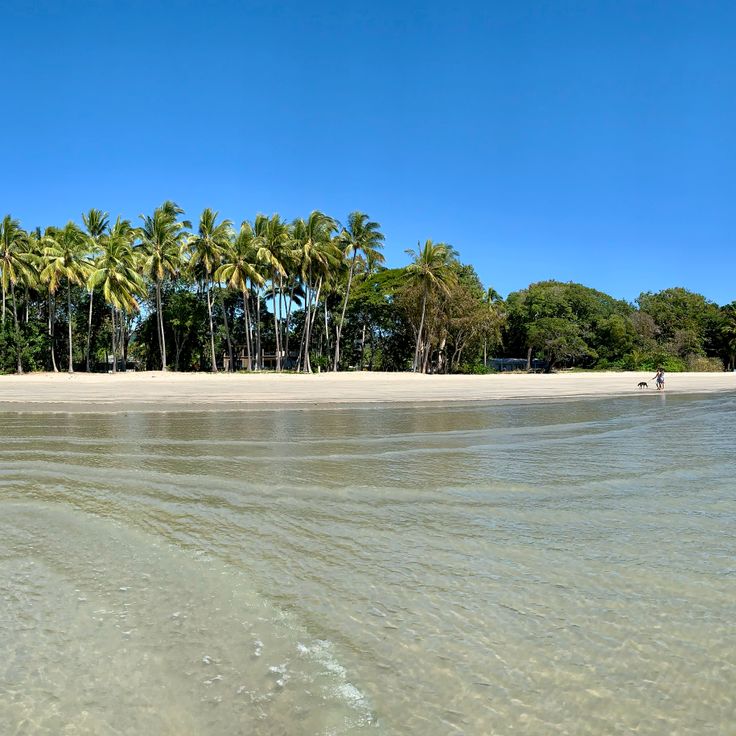
Four Mile Beach extends 6.4 kilometers along the Port Douglas coastline, featuring fine sand and shade-providing palm trees. The beach is bordered by dense tropical vegetation and benefits from regular lifeguard patrol services. Its location near the Great Barrier Reef makes this coastal stretch a popular starting point for underwater exploration activities.
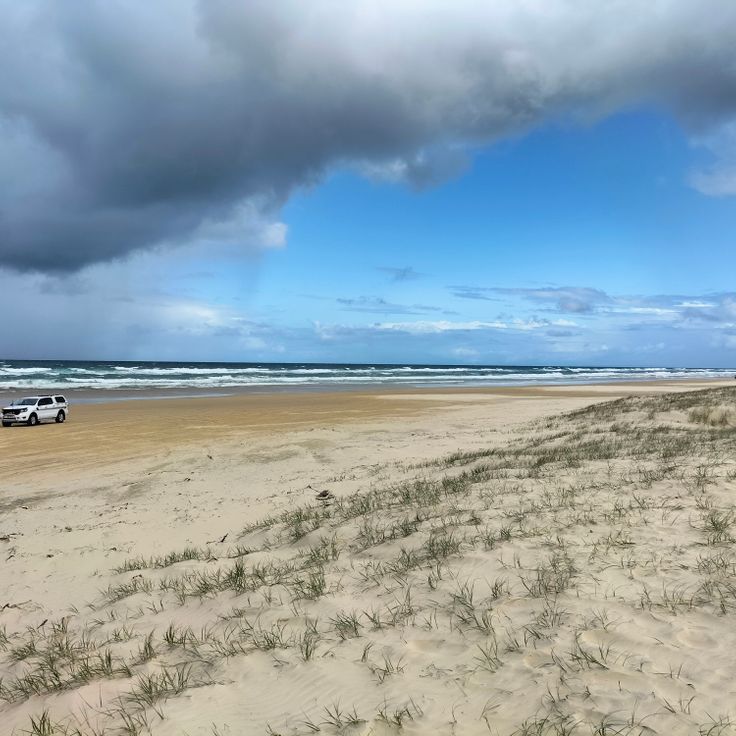
Seventy-Five Mile Beach stretches along the eastern coast of Fraser Island, serving as a natural landing strip and the island's main highway. This beach is home to a population of dingoes with light brown coats that roam freely along the shoreline. The rusted wreck of the Maheno steamship has rested in the sand since 1935, a reminder of its history as a hospital ship during World War I. Tides shape the beach's accessibility, while the Pacific Ocean waves regularly crash onto the shore.
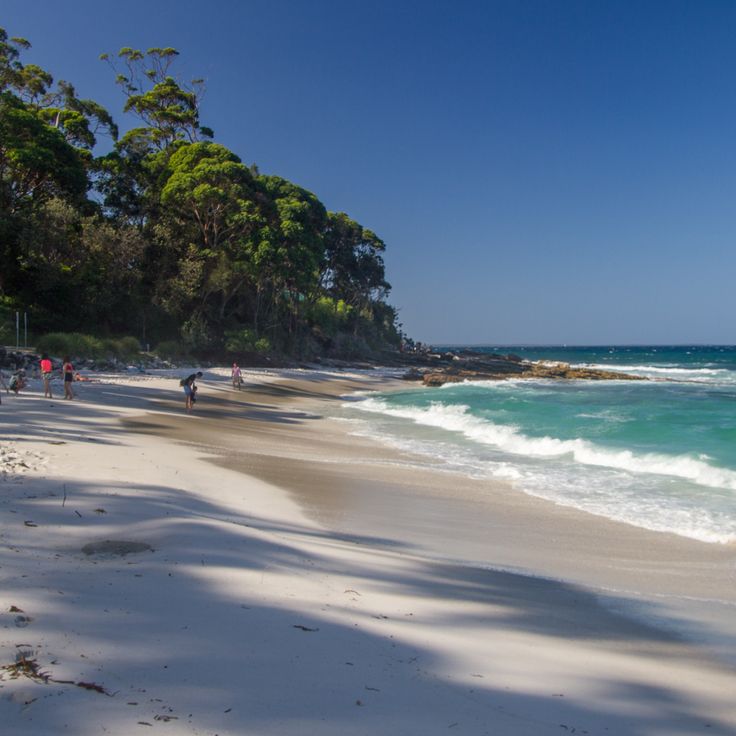
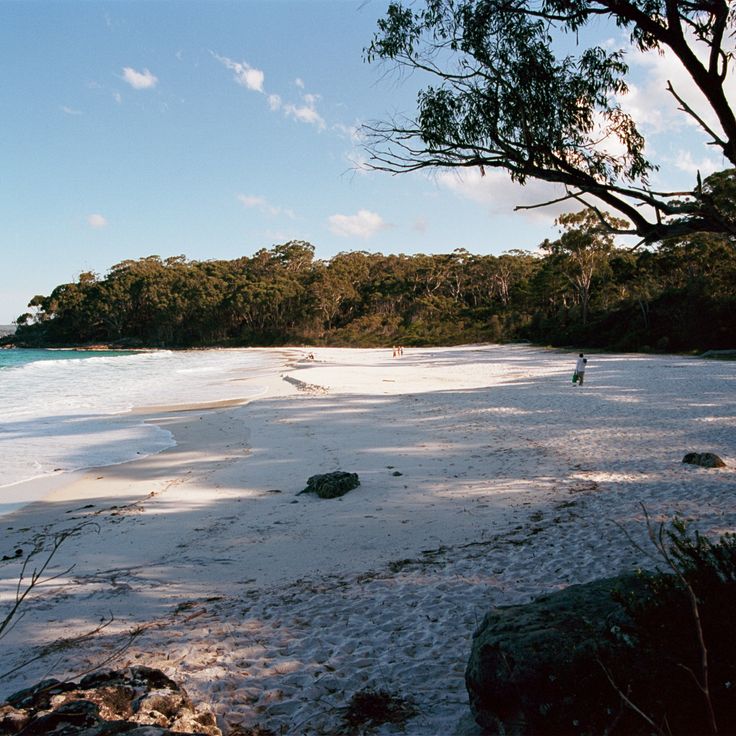
Greenfield Beach is located within Jervis Bay National Park on the south coast of New South Wales. The beach stretches along a sheltered bay surrounded by dense coastal forest. The clear waters are suitable for swimming and snorkeling. Walking tracks lead through the surrounding bushland to additional coves. The distance from major towns results in low visitor numbers. Basic facilities including toilets and picnic tables are available.
Main Beach at Noosa Heads provides waves that regularly host surfing competitions. Along the shoreline are grassed areas equipped with tables and benches for relaxation. The beach combines water sports with onshore recreation facilities, attracting both athletes and families to this coastal location.
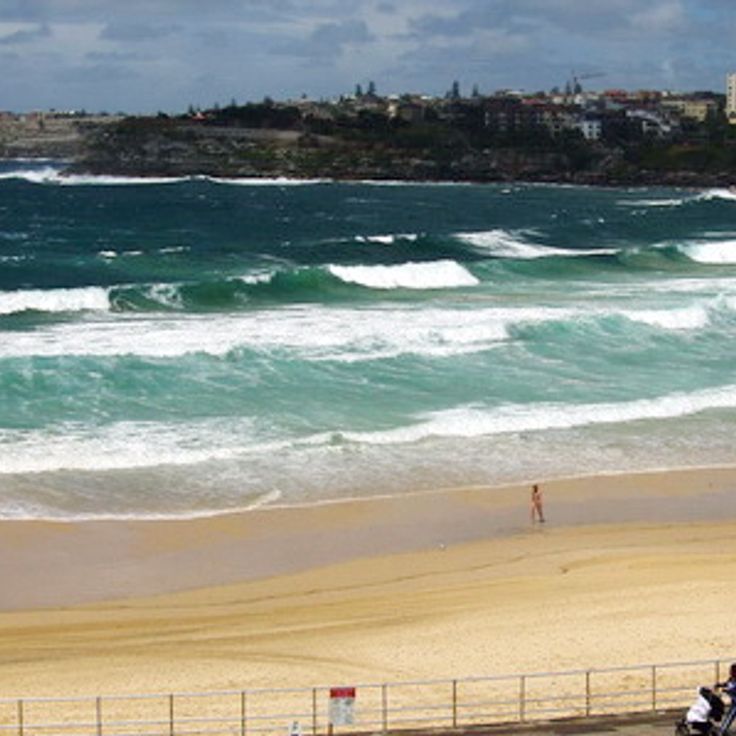
Bondi Beach stretches for one kilometer along Sydney's eastern coastline and attracts swimmers, surfers and sunbathers. The beach features fine white sand and turquoise water patrolled by lifeguards. Along Campbell Parade, numerous restaurants, cafes and shops serve visitors. The coastal walk to Coogee provides views of cliffs and neighboring bays. The Bondi Icebergs Pool sits at the southern end of the beach.
Silversands is a quiet sandy beach located south of Adelaide, stretching for several kilometres along the Gulf St Vincent coastline. The shallow waters and sheltered position make this beach a pleasant spot for sunset walks. The area provides ample parking facilities and access to basic amenities. The beach sits away from major tourist routes and attracts mainly locals who appreciate the expansive sand flats and clear waters.
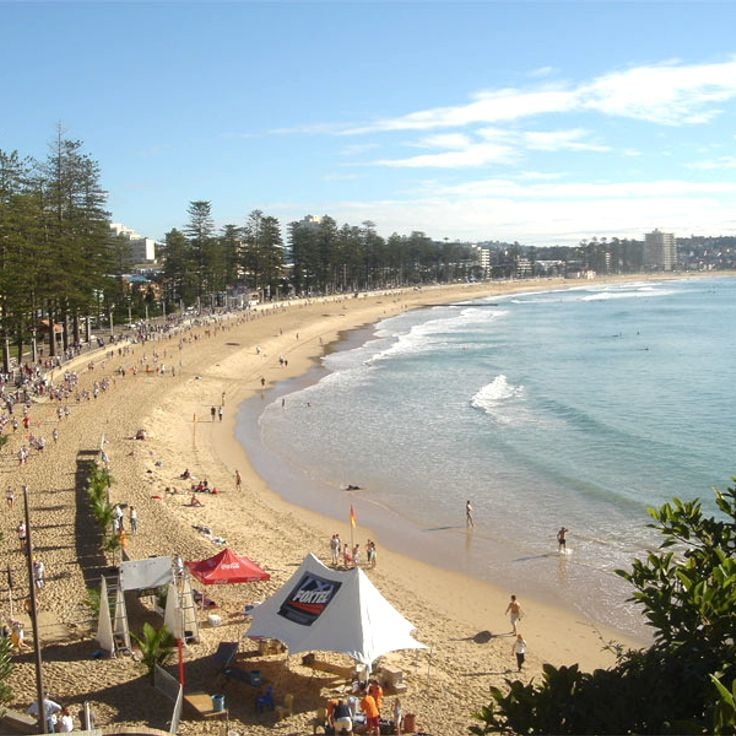
Manly Beach sits on Sydney's northern coastline and is accessible by ferry from Circular Quay. This beach offers opportunities for surfing, swimming, and snorkeling in sheltered coves. The Corso connects the harbor to the ocean and hosts shops, cafes, and restaurants. The nearby North Head Sanctuary is home to small penguin colonies that can be observed during guided evening tours. The beach provides lifeguard services, changing facilities, and amenities.
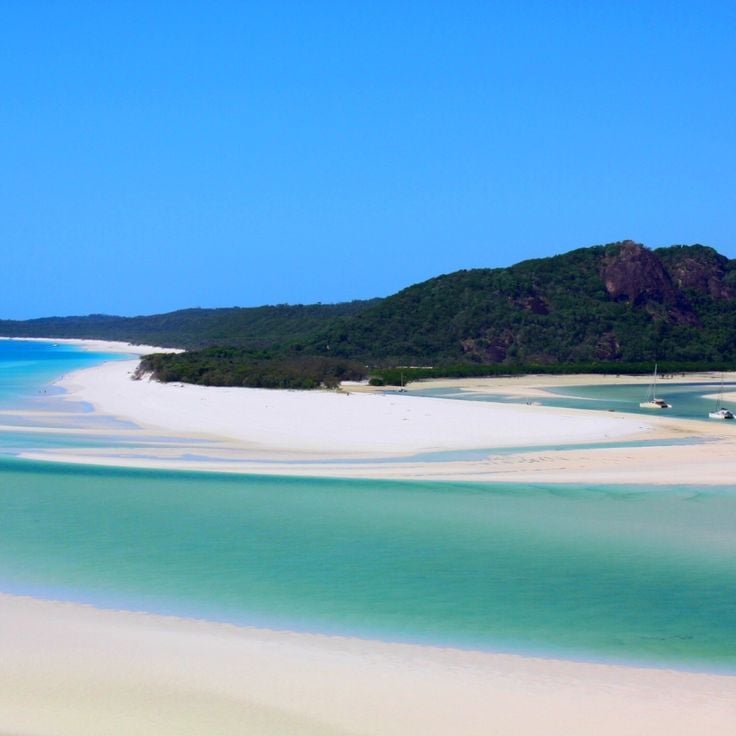
Whitehaven Beach stretches for seven kilometres along the eastern coast of Whitsunday Island within the Great Barrier Reef Marine Park. The sand consists of 98 percent pure silica, giving it a distinctive white colour and fine texture. Located in the Coral Sea, this beach is accessible only by boat or seaplane. Tidal movements through Hill Inlet at the northern end create shifting patterns of sand in the shallow waters. The beach forms part of the Whitsunday Islands National Park and is subject to strict environmental protection regulations.
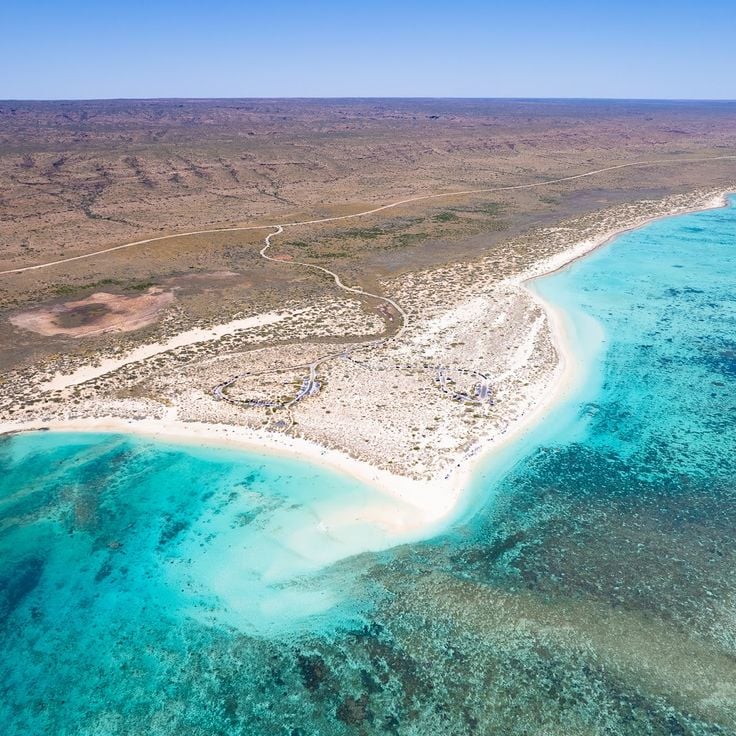
Turquoise Bay is a beach on Australia's western coast, named for its clear water in shades of turquoise and blue. The beach draws visitors who want to swim and snorkel. The water here is calm and sheltered, making it suitable for families. You can see fish and marine life near the surface. The sand is light and fine. The beach sits in a remote area, which keeps it less crowded than other popular beaches. The landscape around it is dry and scrubby. People come here to escape the everyday and explore the underwater world.
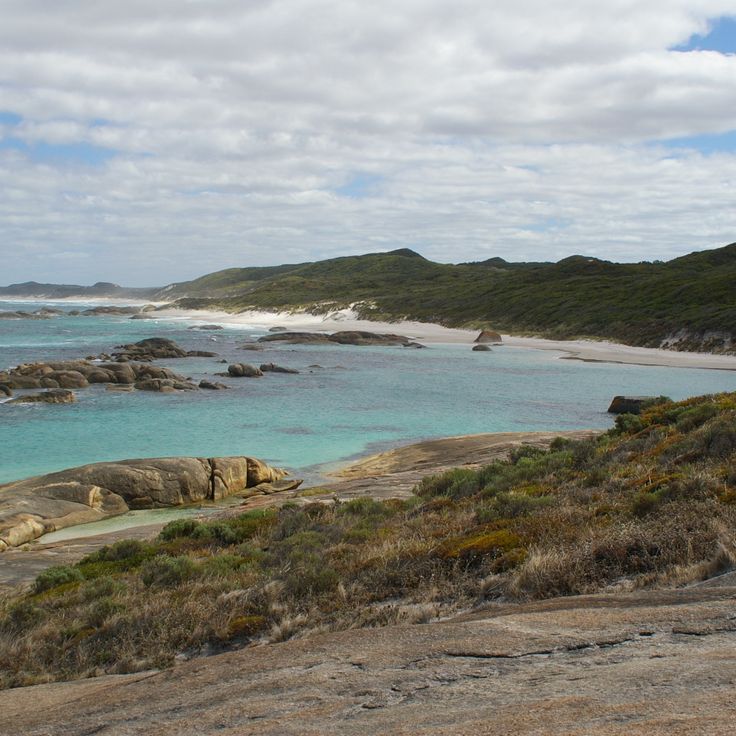
Greens Pool is a beach in Western Australia known for its protected coves and clear water sheltered by rock formations. The place draws visitors who enjoy swimming in calm conditions and exploring the natural landscape. The water shows different shades of blue and turquoise, inviting people to wade and swim. Vegetation grows right up to the shoreline, creating a sense of being away from busy areas. You can spot fish and sea creatures in the water. The rocks surrounding the beach have been shaped by countless years of waves and weather, giving the place a raw and timeless feel.
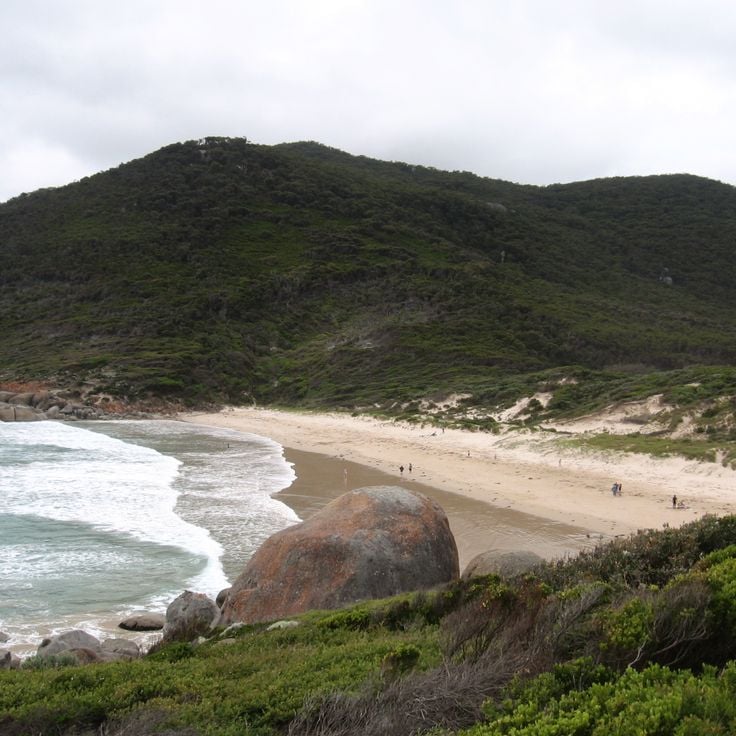
Squeaky Beach sits on the southern coast of Australia and gets its name from the distinctive squeaking sound the sand makes when you walk on it. The water here is cooler than in the tropical north, and the waves attract surfers looking for stronger breaks. Rocky outcrops and cliffs frame the shoreline, giving the beach a rugged feel. You can explore the rock formations shaped by years of weathering, and watch the waves roll in. It is a place where you experience the raw beauty of southern Australia's coastline.
Shelly Beach is one of Australia's sandy shores where white sand meets clear water in shades of blue and turquoise. This beach invites visitors to watch dolphins and sea turtles moving through the bay. The coastline features rock formations shaped by wind and waves over time. The beach appeals to families seeking safe swimming spots and to surfers drawn by the waves. Walking along the shore at sunrise or sunset reveals the changing light and the rhythm of the ocean.
Boat Harbour Beach sits on the north coast of Tasmania and offers calm, clear water in a sheltered bay. The beach draws families looking for safe swimming spots and snorkelers wanting to explore underwater life. The water here is cool, but the bay protects swimmers from the strong waves found at other southern locations. The landscape feels less dramatic than the spectacular cliffs of other Tasmanian bays and offers instead a more relaxed approach to the sea.
Cylinder Beach is a popular swimming spot on Australia's east coast with gentle waves and shallow water suited for families with children. The golden sand stretches along the shoreline and is backed by vegetation. The beach welcomes swimmers of all levels and offers chances to snorkel. Early mornings and evenings provide quieter times to enjoy the beach before crowds arrive.
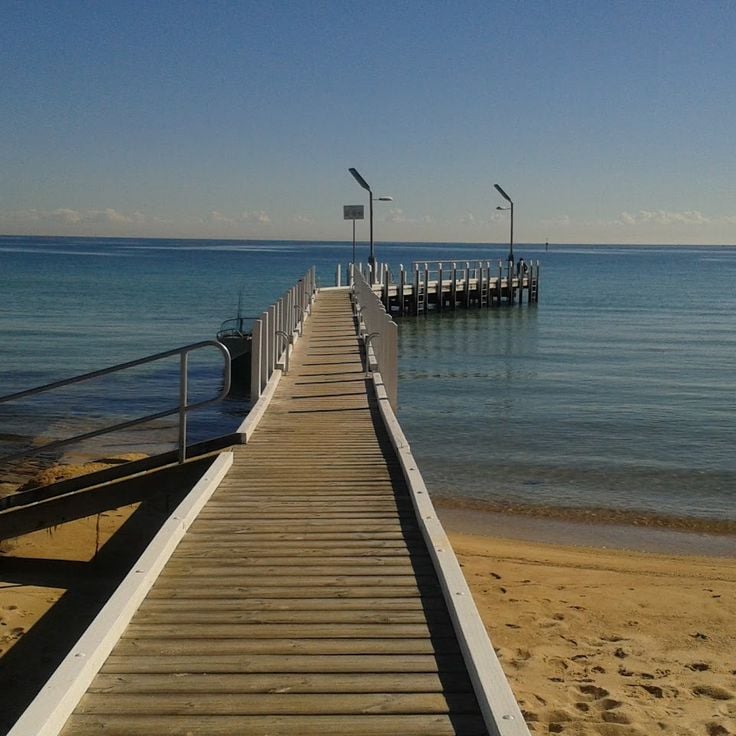
Safety Beach is located on the Mornington Peninsula in Victoria, where sheltered waters make it a favorite for families and swimmers seeking calmer conditions. Grassy areas and trees back the shoreline, offering shade and spaces for picnicking. The sandy beach has a gentle slope into the water, with rock pools forming at low tide. Local residents and visitors come here to swim, fish, and walk along the water's edge. The setting feels relaxed and low-key, far less crowded than other nearby beaches, making it a good choice for those wanting a quieter day by the sea.
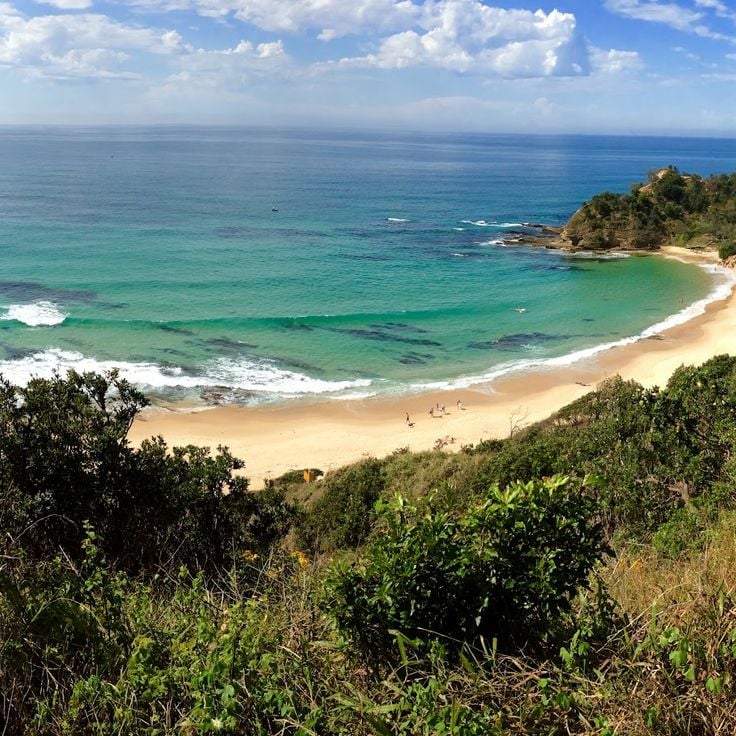
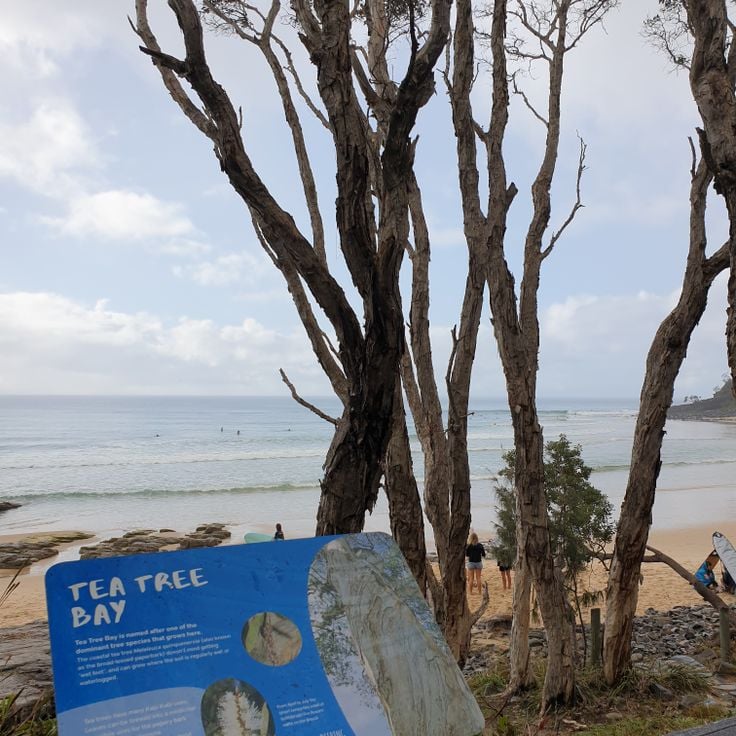
Tea Tree Bay is a cove on Queensland's east coast where the beach opens between rocky outcrops. The water displays shades of blue and green, inviting swimmers to wade in. Trees grow down to the shoreline, creating a natural frame around the bay. Marine life such as sea turtles and fish inhabit these waters. The beach sees fewer visitors than popular nearby spots, offering a quieter place to spend time. You can walk along the sand, snorkel in shallow areas, or sit and watch the water change color throughout the day.
Little Wategos Beach sits on Australia's north coast and offers visitors a stretch of fine sand meeting clear water. The beach has a protected cove feeling with calm conditions that suit swimmers. Rocky outcrops and trees frame the shoreline, creating visual interest. This is a place to swim, wade, or simply sit and watch the water change color with the light. You might spot dolphins or sea turtles passing by. The beach draws people looking for a quiet spot to spend time by the sea without large crowds.
Mindil Beach is located near Darwin and offers wide stretches of sand where locals and visitors gather. The water is warm and inviting, drawing swimmers and those who enjoy beach walks. The beach is known for its setting sun views and the social atmosphere, especially during the dry season when outdoor markets and events take place along the shore. It is a place where you can experience the tropical side of Australia's coastline.
Shellharbour South Beach sits on Australia's southern coast and offers a calm spot for swimming and relaxing. The beach has fine sand and clear water that invites snorkeling. Rock formations line the bay and create sheltered areas from the waves. This beach is popular with families seeking safe swimming conditions and with divers who want to explore the underwater world. You can watch dolphins and seabirds. The sunset paints the sky above the bay in warm colors and makes this place a pleasant destination for a relaxed day by the sea.
Lucky Bay stretches for 5 kilometers along the coast of Cape Le Grand National Park in Western Australia. The fine white sand consists of quartz crystals and ranks among the purest beaches on the continent. The sea displays turquoise and azure tones created by the shallow water and light-colored seabed. Grey kangaroos from the nearby bushland regularly visit the beach to rest near the water. The bay sits protected between granite outcrops and provides access to several walking trails through the national park.
Wineglass Bay forms a crescent-shaped bay with pink granite rocks and clear water on the east coast of Tasmania. The beach stretches 500 metres and is surrounded by dense eucalyptus forests and Tasmanian bushland. The bay sits within Freycinet National Park and is accessible via a walking track from the car park.
Byron Bay sits on Australia's east coast and attracts surfers from around the world. The beaches provide consistent waves, while dolphins are regularly spotted in the waters offshore. The Cape Byron Lighthouse stands at the easternmost point of mainland Australia and offers views across the Pacific Ocean. The town combines water sports with nature observation along the coastline.
Noosa Main Beach is located in a sheltered bay on the Sunshine Coast, offering calm waters suitable for swimming and families. The beach is patrolled by lifeguards daily. A promenade with restaurants, cafes and shops runs along the waterfront. The sandy beach extends for several hundred meters. Parking facilities are available near the beach.
Bells Beach sits on the Surfcoast between Torquay and Anglesea. The coastline offers several surf breaks with reef formations that work during southwest swells. The beach has hosted the Rip Curl Pro since 1961, one of the longest running professional surfing competitions worldwide. Waves typically range from one to three metres, with larger swells producing bigger sets. Access is via stairs from the clifftop. Parking facilities are available.
Hyams Beach is located on the southern coast of New South Wales within Jervis Bay and is recognized for its white quartz sand, which ranks among the brightest in the world. The clear waters invite swimming and snorkeling, with temperatures ranging between 20 and 24 degrees Celsius throughout the year. The beach extends for several hundred meters and is bordered by coastal vegetation. The area provides access to walking trails in the adjacent national park.
Cable Beach stretches for 22 kilometers along the coast of Broome, featuring white sand and turquoise waters. The water maintains an average temperature of 26 degrees Celsius throughout the year. This beach is known for its sunset camel rides and the red cliffs that frame the horizon. Visitors can swim, fish, or simply enjoy the expanse of the Indian Ocean.
Four Mile Beach extends 6.4 kilometers along the Port Douglas coastline, featuring fine sand and shade-providing palm trees. The beach is bordered by dense tropical vegetation and benefits from regular lifeguard patrol services. Its location near the Great Barrier Reef makes this coastal stretch a popular starting point for underwater exploration activities.
Seventy-Five Mile Beach stretches along the eastern coast of Fraser Island, serving as a natural landing strip and the island's main highway. This beach is home to a population of dingoes with light brown coats that roam freely along the shoreline. The rusted wreck of the Maheno steamship has rested in the sand since 1935, a reminder of its history as a hospital ship during World War I. Tides shape the beach's accessibility, while the Pacific Ocean waves regularly crash onto the shore.
Greenfield Beach is located within Jervis Bay National Park on the south coast of New South Wales. The beach stretches along a sheltered bay surrounded by dense coastal forest. The clear waters are suitable for swimming and snorkeling. Walking tracks lead through the surrounding bushland to additional coves. The distance from major towns results in low visitor numbers. Basic facilities including toilets and picnic tables are available.
Main Beach at Noosa Heads provides waves that regularly host surfing competitions. Along the shoreline are grassed areas equipped with tables and benches for relaxation. The beach combines water sports with onshore recreation facilities, attracting both athletes and families to this coastal location.
Bondi Beach stretches for one kilometer along Sydney's eastern coastline and attracts swimmers, surfers and sunbathers. The beach features fine white sand and turquoise water patrolled by lifeguards. Along Campbell Parade, numerous restaurants, cafes and shops serve visitors. The coastal walk to Coogee provides views of cliffs and neighboring bays. The Bondi Icebergs Pool sits at the southern end of the beach.
Silversands is a quiet sandy beach located south of Adelaide, stretching for several kilometres along the Gulf St Vincent coastline. The shallow waters and sheltered position make this beach a pleasant spot for sunset walks. The area provides ample parking facilities and access to basic amenities. The beach sits away from major tourist routes and attracts mainly locals who appreciate the expansive sand flats and clear waters.
Manly Beach sits on Sydney's northern coastline and is accessible by ferry from Circular Quay. This beach offers opportunities for surfing, swimming, and snorkeling in sheltered coves. The Corso connects the harbor to the ocean and hosts shops, cafes, and restaurants. The nearby North Head Sanctuary is home to small penguin colonies that can be observed during guided evening tours. The beach provides lifeguard services, changing facilities, and amenities.
Whitehaven Beach stretches for seven kilometres along the eastern coast of Whitsunday Island within the Great Barrier Reef Marine Park. The sand consists of 98 percent pure silica, giving it a distinctive white colour and fine texture. Located in the Coral Sea, this beach is accessible only by boat or seaplane. Tidal movements through Hill Inlet at the northern end create shifting patterns of sand in the shallow waters. The beach forms part of the Whitsunday Islands National Park and is subject to strict environmental protection regulations.
Turquoise Bay is a beach on Australia's western coast, named for its clear water in shades of turquoise and blue. The beach draws visitors who want to swim and snorkel. The water here is calm and sheltered, making it suitable for families. You can see fish and marine life near the surface. The sand is light and fine. The beach sits in a remote area, which keeps it less crowded than other popular beaches. The landscape around it is dry and scrubby. People come here to escape the everyday and explore the underwater world.
Greens Pool is a beach in Western Australia known for its protected coves and clear water sheltered by rock formations. The place draws visitors who enjoy swimming in calm conditions and exploring the natural landscape. The water shows different shades of blue and turquoise, inviting people to wade and swim. Vegetation grows right up to the shoreline, creating a sense of being away from busy areas. You can spot fish and sea creatures in the water. The rocks surrounding the beach have been shaped by countless years of waves and weather, giving the place a raw and timeless feel.
Squeaky Beach sits on the southern coast of Australia and gets its name from the distinctive squeaking sound the sand makes when you walk on it. The water here is cooler than in the tropical north, and the waves attract surfers looking for stronger breaks. Rocky outcrops and cliffs frame the shoreline, giving the beach a rugged feel. You can explore the rock formations shaped by years of weathering, and watch the waves roll in. It is a place where you experience the raw beauty of southern Australia's coastline.
Shelly Beach is one of Australia's sandy shores where white sand meets clear water in shades of blue and turquoise. This beach invites visitors to watch dolphins and sea turtles moving through the bay. The coastline features rock formations shaped by wind and waves over time. The beach appeals to families seeking safe swimming spots and to surfers drawn by the waves. Walking along the shore at sunrise or sunset reveals the changing light and the rhythm of the ocean.
Boat Harbour Beach sits on the north coast of Tasmania and offers calm, clear water in a sheltered bay. The beach draws families looking for safe swimming spots and snorkelers wanting to explore underwater life. The water here is cool, but the bay protects swimmers from the strong waves found at other southern locations. The landscape feels less dramatic than the spectacular cliffs of other Tasmanian bays and offers instead a more relaxed approach to the sea.
Cylinder Beach is a popular swimming spot on Australia's east coast with gentle waves and shallow water suited for families with children. The golden sand stretches along the shoreline and is backed by vegetation. The beach welcomes swimmers of all levels and offers chances to snorkel. Early mornings and evenings provide quieter times to enjoy the beach before crowds arrive.
Safety Beach is located on the Mornington Peninsula in Victoria, where sheltered waters make it a favorite for families and swimmers seeking calmer conditions. Grassy areas and trees back the shoreline, offering shade and spaces for picnicking. The sandy beach has a gentle slope into the water, with rock pools forming at low tide. Local residents and visitors come here to swim, fish, and walk along the water's edge. The setting feels relaxed and low-key, far less crowded than other nearby beaches, making it a good choice for those wanting a quieter day by the sea.
Tea Tree Bay is a cove on Queensland's east coast where the beach opens between rocky outcrops. The water displays shades of blue and green, inviting swimmers to wade in. Trees grow down to the shoreline, creating a natural frame around the bay. Marine life such as sea turtles and fish inhabit these waters. The beach sees fewer visitors than popular nearby spots, offering a quieter place to spend time. You can walk along the sand, snorkel in shallow areas, or sit and watch the water change color throughout the day.
Little Wategos Beach sits on Australia's north coast and offers visitors a stretch of fine sand meeting clear water. The beach has a protected cove feeling with calm conditions that suit swimmers. Rocky outcrops and trees frame the shoreline, creating visual interest. This is a place to swim, wade, or simply sit and watch the water change color with the light. You might spot dolphins or sea turtles passing by. The beach draws people looking for a quiet spot to spend time by the sea without large crowds.
Mindil Beach is located near Darwin and offers wide stretches of sand where locals and visitors gather. The water is warm and inviting, drawing swimmers and those who enjoy beach walks. The beach is known for its setting sun views and the social atmosphere, especially during the dry season when outdoor markets and events take place along the shore. It is a place where you can experience the tropical side of Australia's coastline.
Shellharbour South Beach sits on Australia's southern coast and offers a calm spot for swimming and relaxing. The beach has fine sand and clear water that invites snorkeling. Rock formations line the bay and create sheltered areas from the waves. This beach is popular with families seeking safe swimming conditions and with divers who want to explore the underwater world. You can watch dolphins and seabirds. The sunset paints the sky above the bay in warm colors and makes this place a pleasant destination for a relaxed day by the sea.
Lucky Bay stretches for 5 kilometers along the coast of Cape Le Grand National Park in Western Australia. The fine white sand consists of quartz crystals and ranks among the purest beaches on the continent. The sea displays turquoise and azure tones created by the shallow water and light-colored seabed. Grey kangaroos from the nearby bushland regularly visit the beach to rest near the water. The bay sits protected between granite outcrops and provides access to several walking trails through the national park.
Wineglass Bay forms a crescent-shaped bay with pink granite rocks and clear water on the east coast of Tasmania. The beach stretches 500 metres and is surrounded by dense eucalyptus forests and Tasmanian bushland. The bay sits within Freycinet National Park and is accessible via a walking track from the car park.
Byron Bay sits on Australia's east coast and attracts surfers from around the world. The beaches provide consistent waves, while dolphins are regularly spotted in the waters offshore. The Cape Byron Lighthouse stands at the easternmost point of mainland Australia and offers views across the Pacific Ocean. The town combines water sports with nature observation along the coastline.
Noosa Main Beach is located in a sheltered bay on the Sunshine Coast, offering calm waters suitable for swimming and families. The beach is patrolled by lifeguards daily. A promenade with restaurants, cafes and shops runs along the waterfront. The sandy beach extends for several hundred meters. Parking facilities are available near the beach.
Bells Beach sits on the Surfcoast between Torquay and Anglesea. The coastline offers several surf breaks with reef formations that work during southwest swells. The beach has hosted the Rip Curl Pro since 1961, one of the longest running professional surfing competitions worldwide. Waves typically range from one to three metres, with larger swells producing bigger sets. Access is via stairs from the clifftop. Parking facilities are available.
Hyams Beach is located on the southern coast of New South Wales within Jervis Bay and is recognized for its white quartz sand, which ranks among the brightest in the world. The clear waters invite swimming and snorkeling, with temperatures ranging between 20 and 24 degrees Celsius throughout the year. The beach extends for several hundred meters and is bordered by coastal vegetation. The area provides access to walking trails in the adjacent national park.
Cable Beach stretches for 22 kilometers along the coast of Broome, featuring white sand and turquoise waters. The water maintains an average temperature of 26 degrees Celsius throughout the year. This beach is known for its sunset camel rides and the red cliffs that frame the horizon. Visitors can swim, fish, or simply enjoy the expanse of the Indian Ocean.
Four Mile Beach extends 6.4 kilometers along the Port Douglas coastline, featuring fine sand and shade-providing palm trees. The beach is bordered by dense tropical vegetation and benefits from regular lifeguard patrol services. Its location near the Great Barrier Reef makes this coastal stretch a popular starting point for underwater exploration activities.
Seventy-Five Mile Beach stretches along the eastern coast of Fraser Island, serving as a natural landing strip and the island's main highway. This beach is home to a population of dingoes with light brown coats that roam freely along the shoreline. The rusted wreck of the Maheno steamship has rested in the sand since 1935, a reminder of its history as a hospital ship during World War I. Tides shape the beach's accessibility, while the Pacific Ocean waves regularly crash onto the shore.
Greenfield Beach is located within Jervis Bay National Park on the south coast of New South Wales. The beach stretches along a sheltered bay surrounded by dense coastal forest. The clear waters are suitable for swimming and snorkeling. Walking tracks lead through the surrounding bushland to additional coves. The distance from major towns results in low visitor numbers. Basic facilities including toilets and picnic tables are available.
Main Beach at Noosa Heads provides waves that regularly host surfing competitions. Along the shoreline are grassed areas equipped with tables and benches for relaxation. The beach combines water sports with onshore recreation facilities, attracting both athletes and families to this coastal location.
Bondi Beach stretches for one kilometer along Sydney's eastern coastline and attracts swimmers, surfers and sunbathers. The beach features fine white sand and turquoise water patrolled by lifeguards. Along Campbell Parade, numerous restaurants, cafes and shops serve visitors. The coastal walk to Coogee provides views of cliffs and neighboring bays. The Bondi Icebergs Pool sits at the southern end of the beach.
Silversands is a quiet sandy beach located south of Adelaide, stretching for several kilometres along the Gulf St Vincent coastline. The shallow waters and sheltered position make this beach a pleasant spot for sunset walks. The area provides ample parking facilities and access to basic amenities. The beach sits away from major tourist routes and attracts mainly locals who appreciate the expansive sand flats and clear waters.
Manly Beach sits on Sydney's northern coastline and is accessible by ferry from Circular Quay. This beach offers opportunities for surfing, swimming, and snorkeling in sheltered coves. The Corso connects the harbor to the ocean and hosts shops, cafes, and restaurants. The nearby North Head Sanctuary is home to small penguin colonies that can be observed during guided evening tours. The beach provides lifeguard services, changing facilities, and amenities.
Whitehaven Beach stretches for seven kilometres along the eastern coast of Whitsunday Island within the Great Barrier Reef Marine Park. The sand consists of 98 percent pure silica, giving it a distinctive white colour and fine texture. Located in the Coral Sea, this beach is accessible only by boat or seaplane. Tidal movements through Hill Inlet at the northern end create shifting patterns of sand in the shallow waters. The beach forms part of the Whitsunday Islands National Park and is subject to strict environmental protection regulations.
Turquoise Bay is a beach on Australia's western coast, named for its clear water in shades of turquoise and blue. The beach draws visitors who want to swim and snorkel. The water here is calm and sheltered, making it suitable for families. You can see fish and marine life near the surface. The sand is light and fine. The beach sits in a remote area, which keeps it less crowded than other popular beaches. The landscape around it is dry and scrubby. People come here to escape the everyday and explore the underwater world.
Greens Pool is a beach in Western Australia known for its protected coves and clear water sheltered by rock formations. The place draws visitors who enjoy swimming in calm conditions and exploring the natural landscape. The water shows different shades of blue and turquoise, inviting people to wade and swim. Vegetation grows right up to the shoreline, creating a sense of being away from busy areas. You can spot fish and sea creatures in the water. The rocks surrounding the beach have been shaped by countless years of waves and weather, giving the place a raw and timeless feel.
Squeaky Beach sits on the southern coast of Australia and gets its name from the distinctive squeaking sound the sand makes when you walk on it. The water here is cooler than in the tropical north, and the waves attract surfers looking for stronger breaks. Rocky outcrops and cliffs frame the shoreline, giving the beach a rugged feel. You can explore the rock formations shaped by years of weathering, and watch the waves roll in. It is a place where you experience the raw beauty of southern Australia's coastline.
Shelly Beach is one of Australia's sandy shores where white sand meets clear water in shades of blue and turquoise. This beach invites visitors to watch dolphins and sea turtles moving through the bay. The coastline features rock formations shaped by wind and waves over time. The beach appeals to families seeking safe swimming spots and to surfers drawn by the waves. Walking along the shore at sunrise or sunset reveals the changing light and the rhythm of the ocean.
Boat Harbour Beach sits on the north coast of Tasmania and offers calm, clear water in a sheltered bay. The beach draws families looking for safe swimming spots and snorkelers wanting to explore underwater life. The water here is cool, but the bay protects swimmers from the strong waves found at other southern locations. The landscape feels less dramatic than the spectacular cliffs of other Tasmanian bays and offers instead a more relaxed approach to the sea.
Cylinder Beach is a popular swimming spot on Australia's east coast with gentle waves and shallow water suited for families with children. The golden sand stretches along the shoreline and is backed by vegetation. The beach welcomes swimmers of all levels and offers chances to snorkel. Early mornings and evenings provide quieter times to enjoy the beach before crowds arrive.
Safety Beach is located on the Mornington Peninsula in Victoria, where sheltered waters make it a favorite for families and swimmers seeking calmer conditions. Grassy areas and trees back the shoreline, offering shade and spaces for picnicking. The sandy beach has a gentle slope into the water, with rock pools forming at low tide. Local residents and visitors come here to swim, fish, and walk along the water's edge. The setting feels relaxed and low-key, far less crowded than other nearby beaches, making it a good choice for those wanting a quieter day by the sea.
Tea Tree Bay is a cove on Queensland's east coast where the beach opens between rocky outcrops. The water displays shades of blue and green, inviting swimmers to wade in. Trees grow down to the shoreline, creating a natural frame around the bay. Marine life such as sea turtles and fish inhabit these waters. The beach sees fewer visitors than popular nearby spots, offering a quieter place to spend time. You can walk along the sand, snorkel in shallow areas, or sit and watch the water change color throughout the day.
Little Wategos Beach sits on Australia's north coast and offers visitors a stretch of fine sand meeting clear water. The beach has a protected cove feeling with calm conditions that suit swimmers. Rocky outcrops and trees frame the shoreline, creating visual interest. This is a place to swim, wade, or simply sit and watch the water change color with the light. You might spot dolphins or sea turtles passing by. The beach draws people looking for a quiet spot to spend time by the sea without large crowds.
Mindil Beach is located near Darwin and offers wide stretches of sand where locals and visitors gather. The water is warm and inviting, drawing swimmers and those who enjoy beach walks. The beach is known for its setting sun views and the social atmosphere, especially during the dry season when outdoor markets and events take place along the shore. It is a place where you can experience the tropical side of Australia's coastline.
Shellharbour South Beach sits on Australia's southern coast and offers a calm spot for swimming and relaxing. The beach has fine sand and clear water that invites snorkeling. Rock formations line the bay and create sheltered areas from the waves. This beach is popular with families seeking safe swimming conditions and with divers who want to explore the underwater world. You can watch dolphins and seabirds. The sunset paints the sky above the bay in warm colors and makes this place a pleasant destination for a relaxed day by the sea.