See the monuments around you in AROpen chests in the app
Around Us is built for your phone — point your camera at the streets and discover the monuments and places around you in augmented reality.Around Us is built for your phone — chests unlock when you walk, explore and capture nearby places.
New South Wales combines very different landscapes, from beaches along the coast to wooded mountains and inland plateaus. This collection includes about thirty sites that show this variety: Sydney with its internationally known buildings, geological formations protected by UNESCO like the Blue Mountains, beaches where Australians surf and swim, and wine valleys that have been making wine for over a hundred years.
There are also caves carved in limestone, parks for watching animals, and coastal or mountain towns that keep their own style. Some places can be visited in one day from Sydney, others take a drive to less crowded areas. Overall, it shows what the state offers to travelers: nature, colonial history, and city life.
New South Wales combines very different landscapes, from beaches along the coast to wooded mountains and inland plateaus. This collection includes about thirty sites that show this variety: Sydney with its internationally known buildings, geological formations protected by UNESCO like the Blue Mountains, beaches where Australians surf and swim, and wine valleys that have been making wine for over a hundred years.
There are also caves carved in limestone, parks for watching animals, and coastal or mountain towns that keep their own style. Some places can be visited in one day from Sydney, others take a drive to less crowded areas. Overall, it shows what the state offers to travelers: nature, colonial history, and city life.
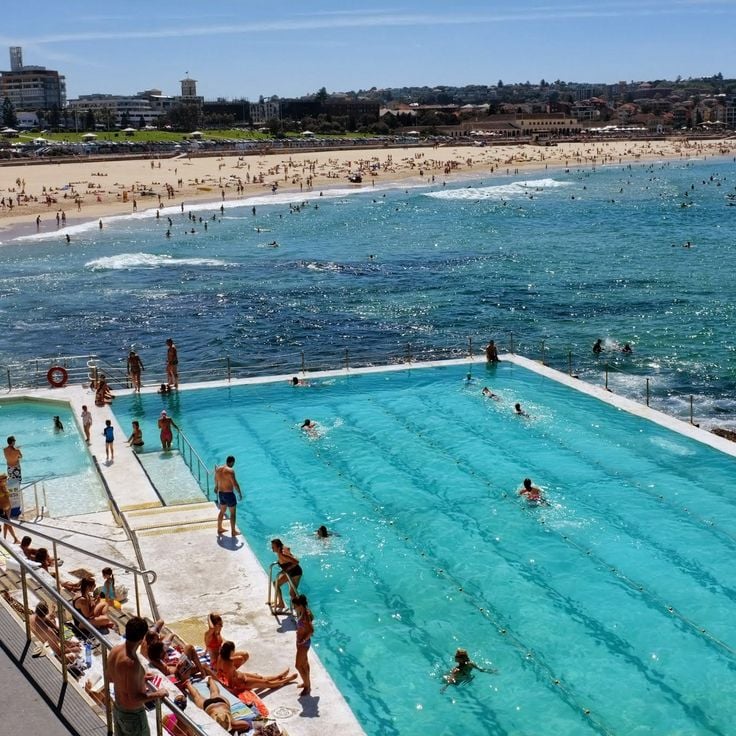
Bondi Beach is a well-known coastal area near Sydney and shows how Australians enjoy swimming and water sports. The sand is white and the waves attract surfers from different regions. Along the shore there are restaurants and cafes where people gather to eat and enjoy the view. The beach has its own rhythm: in the morning swimmers and surfers arrive, during the day families and visitors come. This place gives a real sense of how important the ocean is to everyday life in the city.
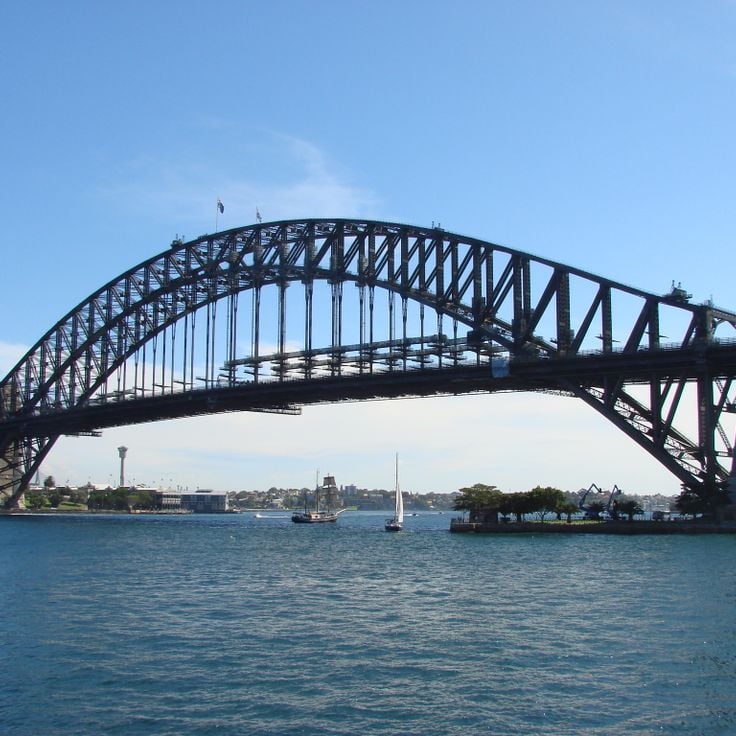
The Sydney Harbour Bridge is a large steel structure that connects the city center to the north. From here, visitors can look out over the harbor. This bridge has defined Sydney's character and offers viewpoints where you can see the city and the water.
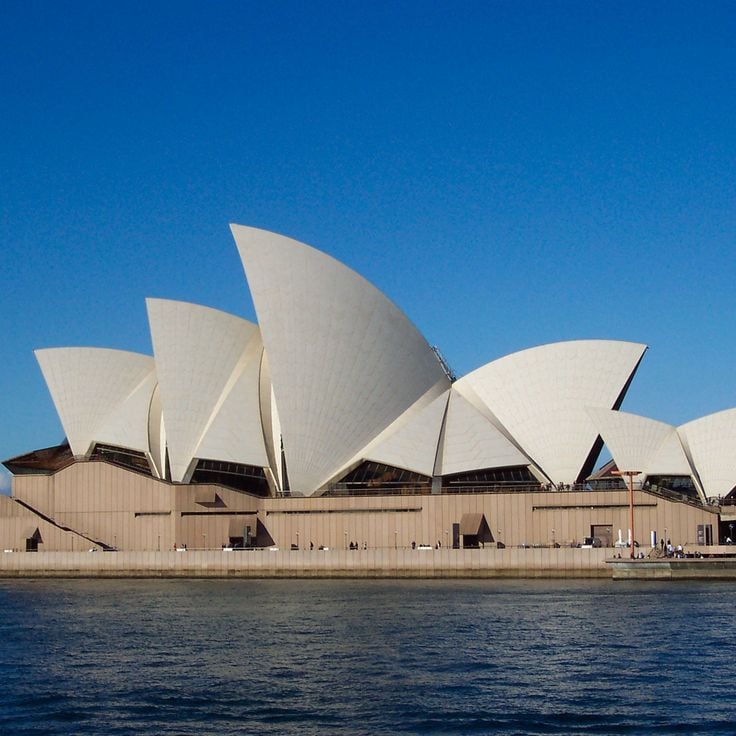
The Sydney Opera House is a world-known building with distinctive design located on the bay. It serves as a major cultural center with concert halls and theater spaces. This structure is among the most recognized monuments to visit in New South Wales and reflects the urban and cultural diversity of the state.
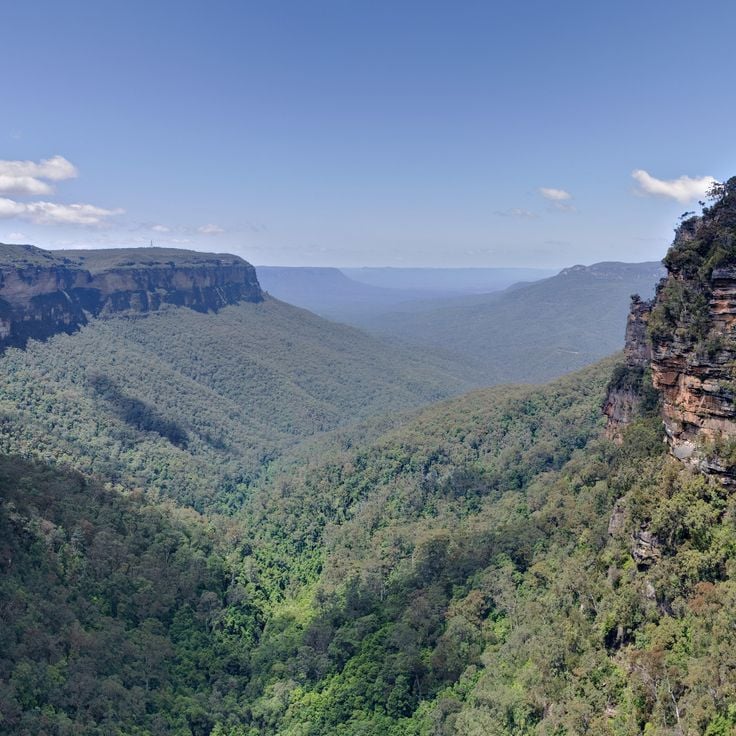
The Blue Mountains are a mountain range with UNESCO World Heritage status located west of Sydney. This formation consists of sandstone plateaus cut through by deep valleys. Eucalyptus forests cover the slopes, and the rock has a blue tint that comes from the oil released by the eucalyptus trees. Walking trails run through the region and allow visitors to explore cliffs, descend into gorges, and observe the local plants and animals. Some areas are easily accessible, while others require more effort. The region is a popular destination for people traveling from Sydney.
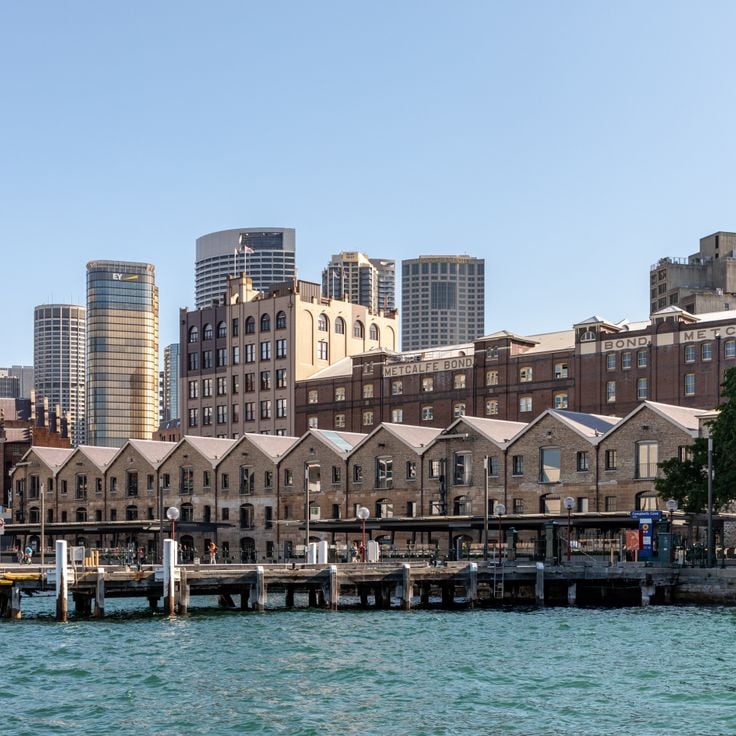
The Rocks is Sydney's oldest quarter, where the city's history comes alive in its streets. Stone buildings from the colonial era line narrow lanes that now hold cafes, galleries, and shops. Walking here, you feel the past in the old walls and cobblestone paths beneath your feet. The neighborhood sits right at the harbor, with views of the bridge and opera house. Artists and craftspeople work in their studios, restaurants serve local food, and weekend markets bring energy to the streets.
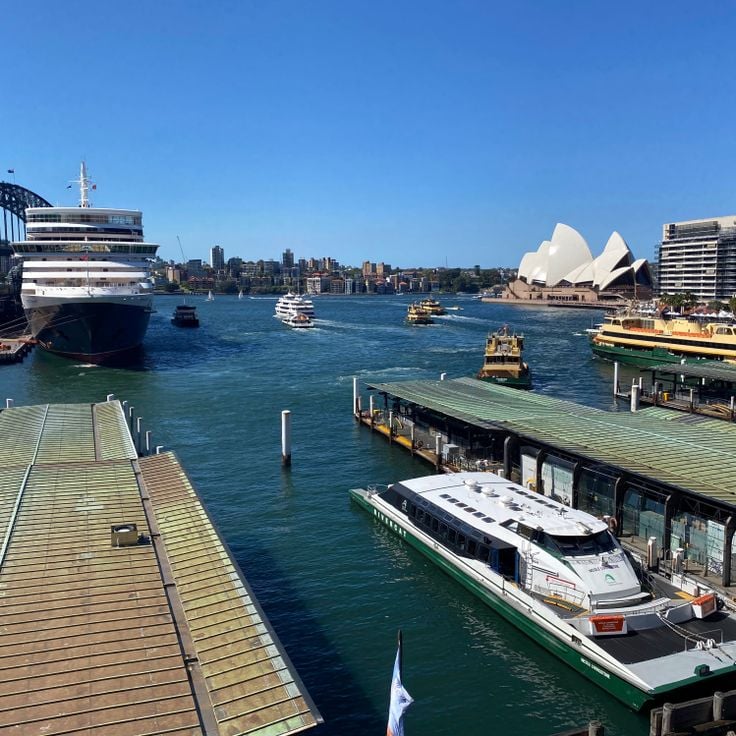
Circular Quay is a ferry terminal at the base of Sydney Opera House, with direct access to the harbor and departures to explore the surrounding area. This is where residents and visitors board ferries to reach other parts of Sydney Harbour and nearby neighborhoods. The quay sits in the heart of the city, mixing everyday travel routines with views of the water and the Opera House. People pass through here constantly throughout the day, catching ferries to coastal suburbs and attractions around the bay.
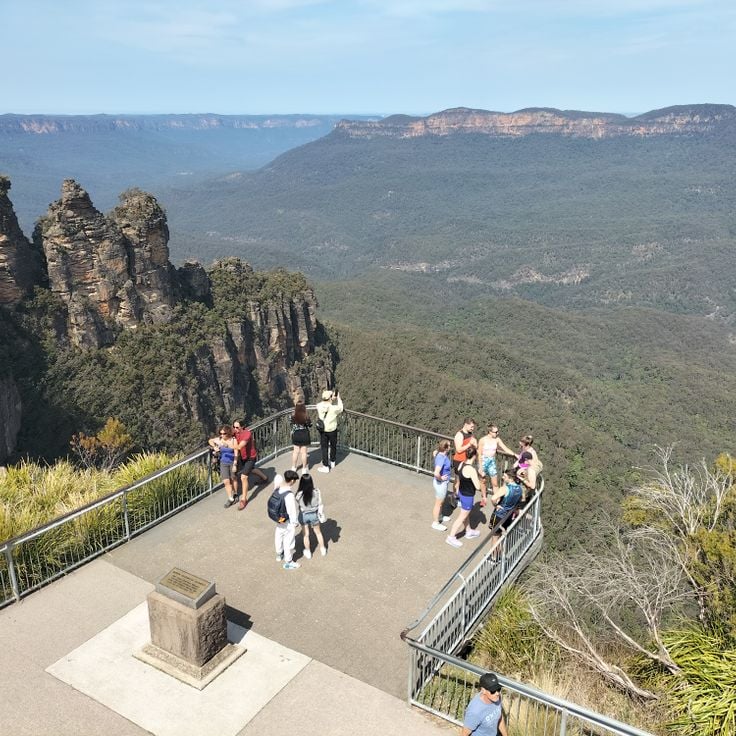
Echo Point in Katoomba offers views of the Three Sisters, three rock peaks that rise from the Jamison Valley below. From this viewpoint, visitors see the forested mountains of the Blue Mountains and the landscape stretching into the distance. The location is easy to reach and popular because it shows one of the region's most photographed views. On clear days, you can see across the valley and trace the layers of the surrounding ridges.
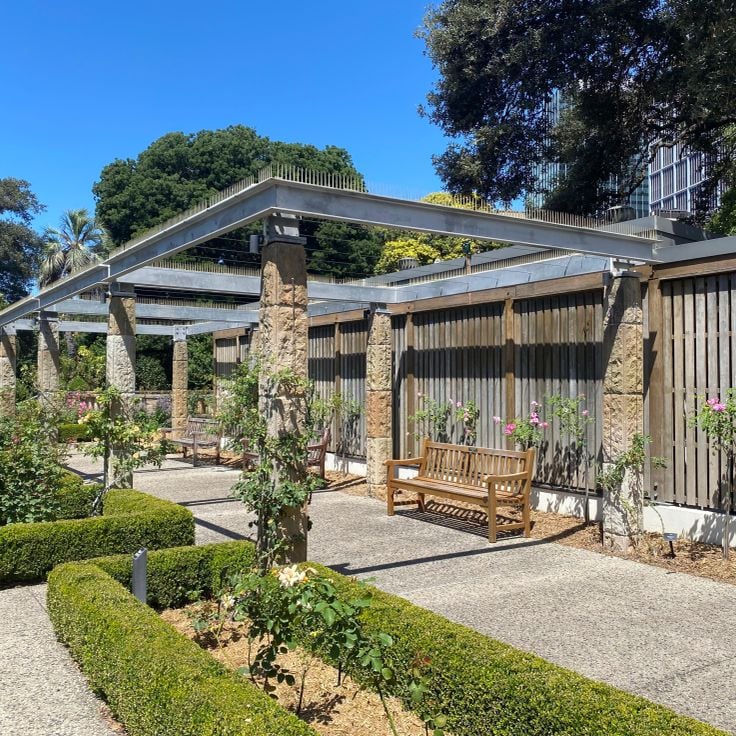
The Royal Botanic Garden in Sydney is a botanical garden with plant collections, green spaces, and walking trails. Visitors can stroll among different plant species while enjoying views over the bay. The garden combines horticultural displays with waterfront views and easy access to the city.
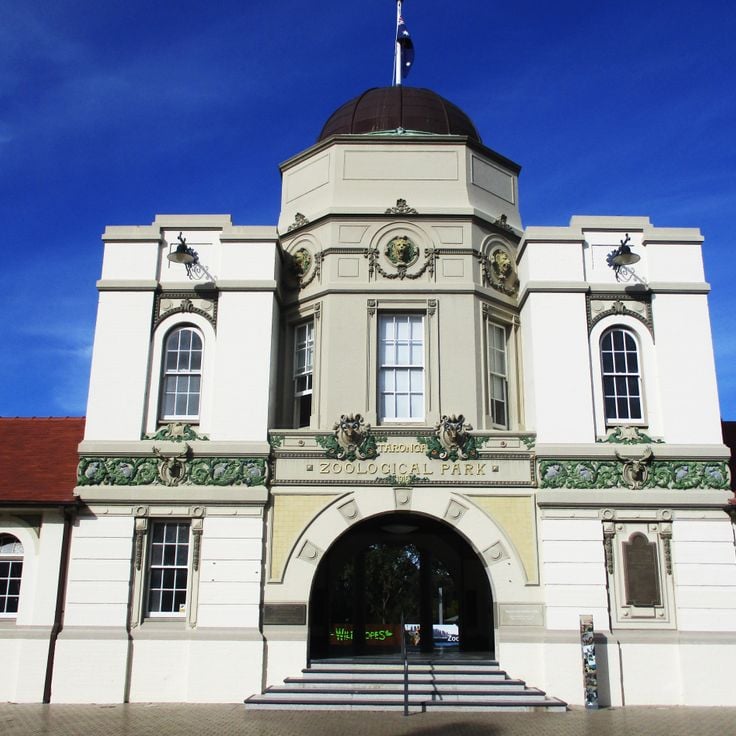
Taronga Zoo is located in Mosman, Sydney, where visitors can see animals from Australia and around the world. The location across the bay offers views of the famous Opera House. The zoo is part of New South Wales tourism, a state that connects landscapes from coastal beaches to forested mountains and offers travelers nature, history, and city life.
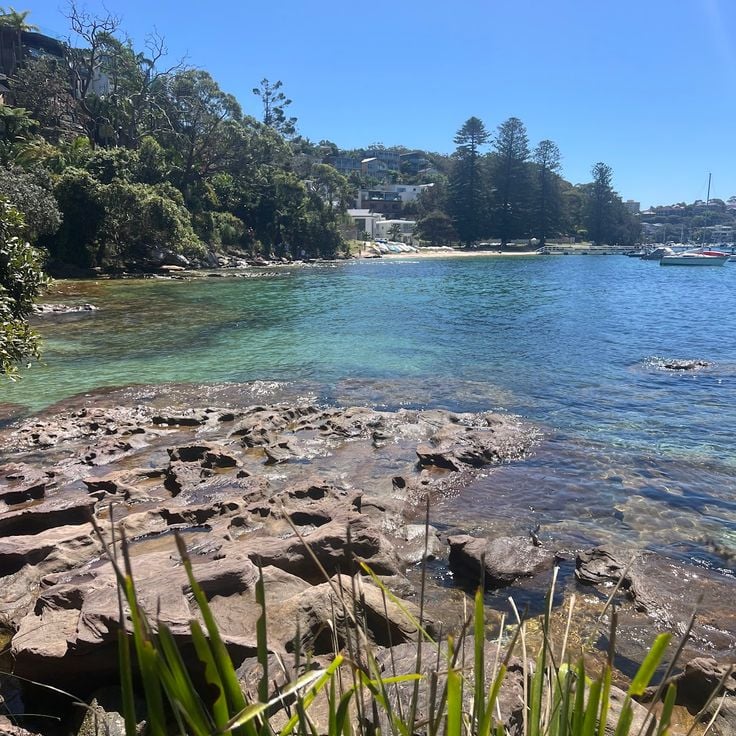
Manly Scenic Walks are coastal trails around the Sydney neighborhood of Manly that offer ocean views and access to small coves. These paths connect different beaches and allow you to explore the coastline at your own pace. You walk along cliffs, through vegetation, and past lookout points where you can see the expanse of the ocean. These walks are among the activities visitors enjoy in this part of Sydney.
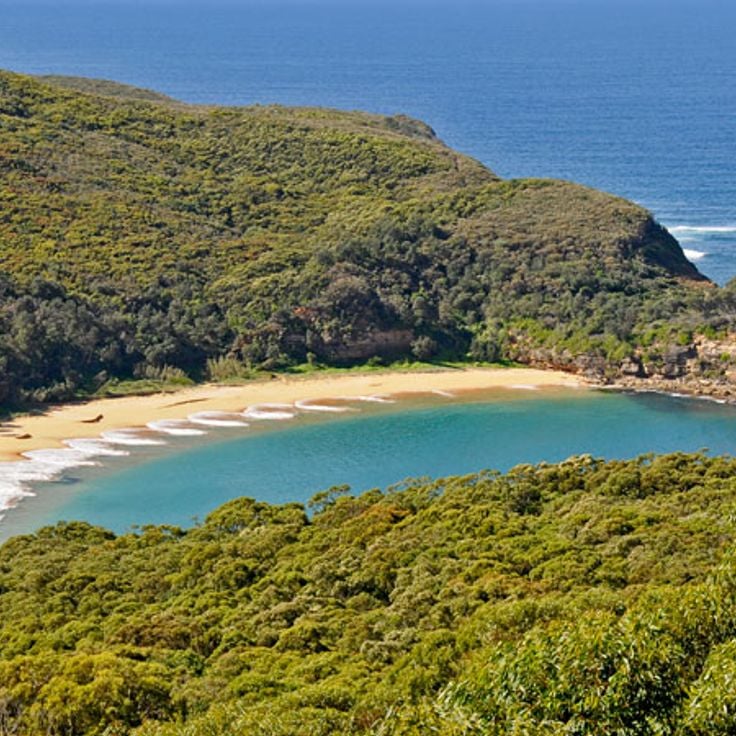
The Royal National Park sits south of Sydney with steep cliffs, sheltered beaches and hiking paths. This protected area shows the natural diversity of the Australian east coast through its bays, rock formations and forested areas. Visitors walk on trails, swim in quiet coves or watch local wildlife. The park offers the feel of wild nature while staying close to the city.
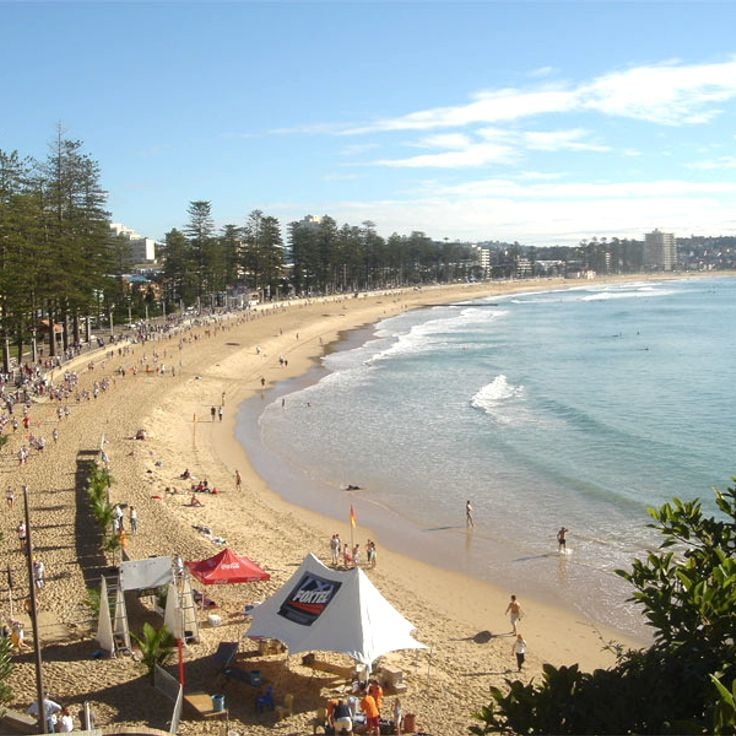
Manly Beach is a sandy beach in the north of Sydney, reached by ferry. The sand is white and the water is suitable for swimming. People come here to swim and surf in the waves. The beachfront has a seaside resort feel, with restaurants and cafes overlooking the water. This is a popular destination for both locals and visitors who want to spend time at the shore.
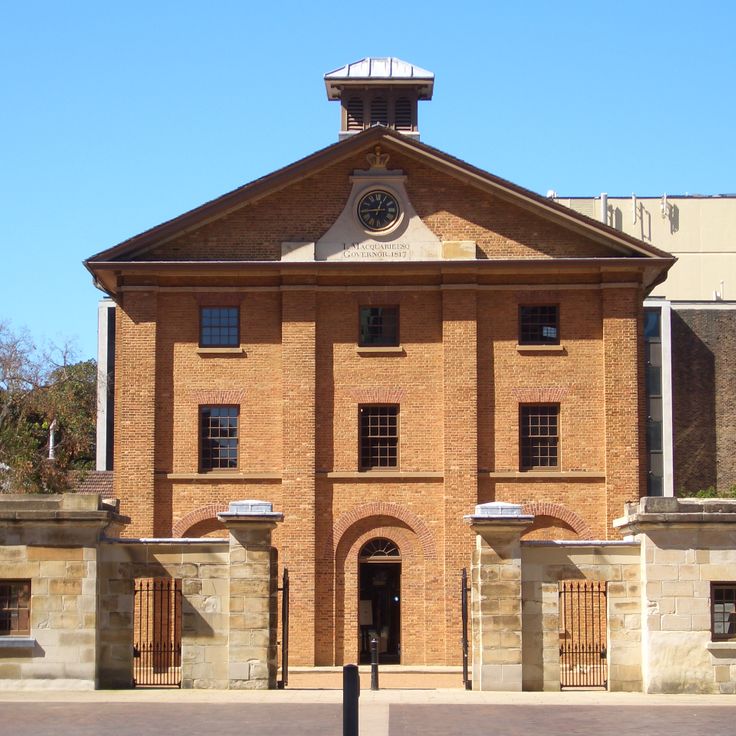
Hyde Park Barracks in Sydney is a historic building recognized by UNESCO as a World Heritage site. Originally built as a barracks to house convicts, it now operates as a museum that tells the story of Australia's penal history. Visitors can learn about the colonial beginnings of the country and the lives of the prisoners who were confined here. It stands as an important place for understanding Sydney's past.
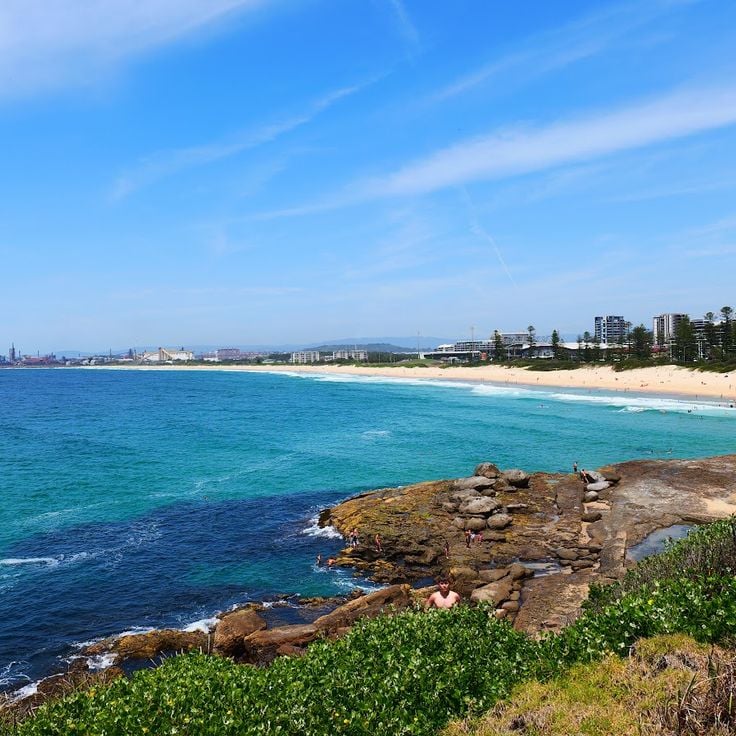
Wollongong sits south of Sydney along the coast and is a lively place with long beaches where locals swim and surf. The city has paths that run along the ocean and viewpoints from which you can see the water and cliffs. You find small restaurants and cafes with ocean views, and the beaches have different characters, some suited for families and others for surfers. The area shows what daily life is like on Australia's south coast.
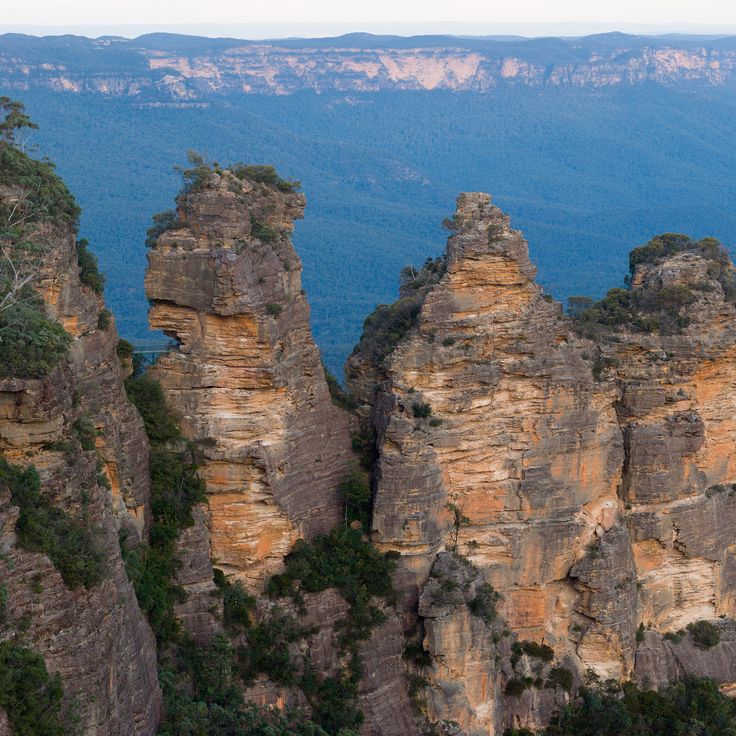
Three Sisters is a distinctive rock formation in the Blue Mountains near Katoomba. Three tall columns of rock rise from the valley below, shaped by erosion over millions of years. The formation takes its name from an Aboriginal story about three sisters who were turned to stone. Visitors can view these rocks from several lookout points and experience the landscape of the Blue Mountains around them.
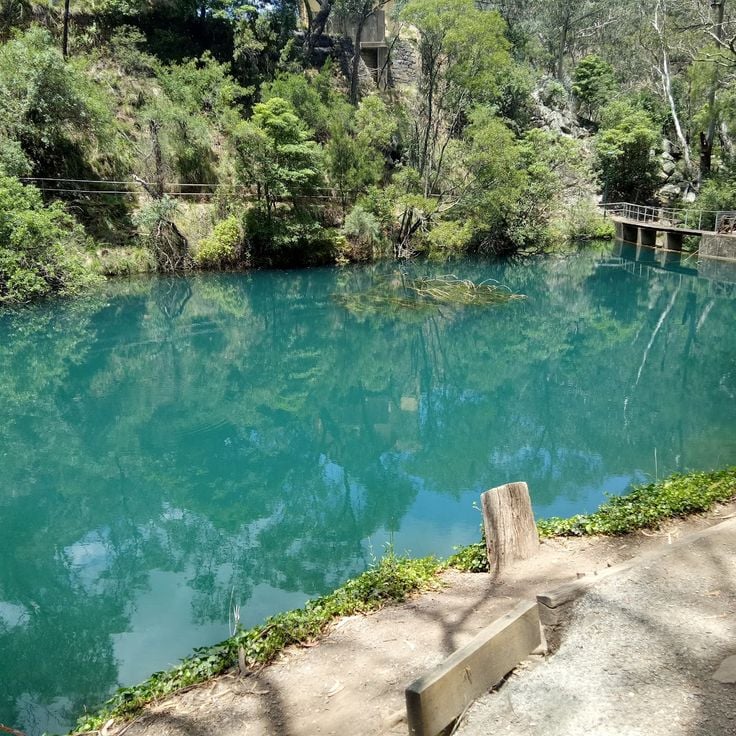
Jenolan Caves is a system of limestone caves located in the Blue Mountains. The site features underground galleries that are lit and accessible through guided tours. This is one of Australia's oldest tourist attractions, drawing visitors who wish to see the geological formations and the subterranean landscape. The cave system offers various routes of different difficulty levels, ranging from easy walks to more challenging climbing tours.
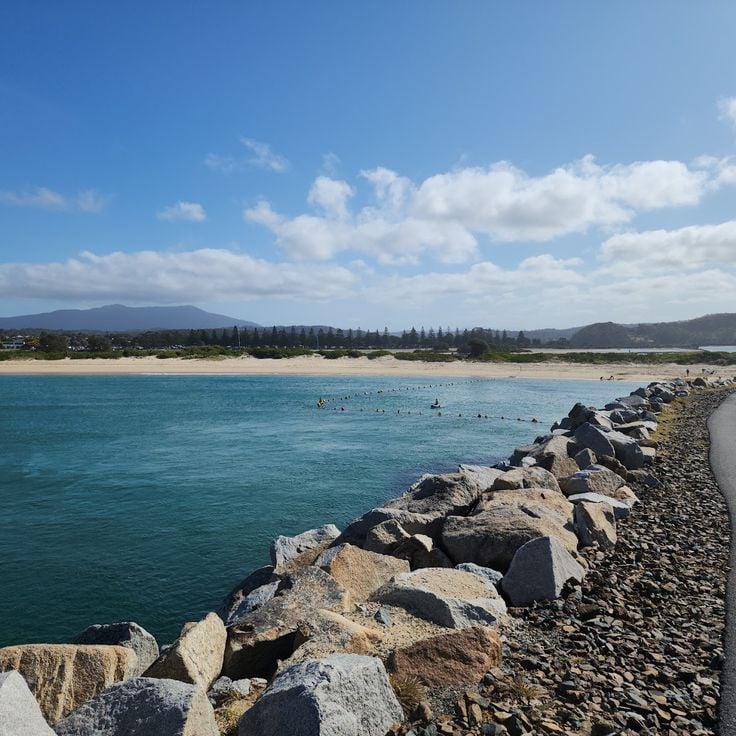
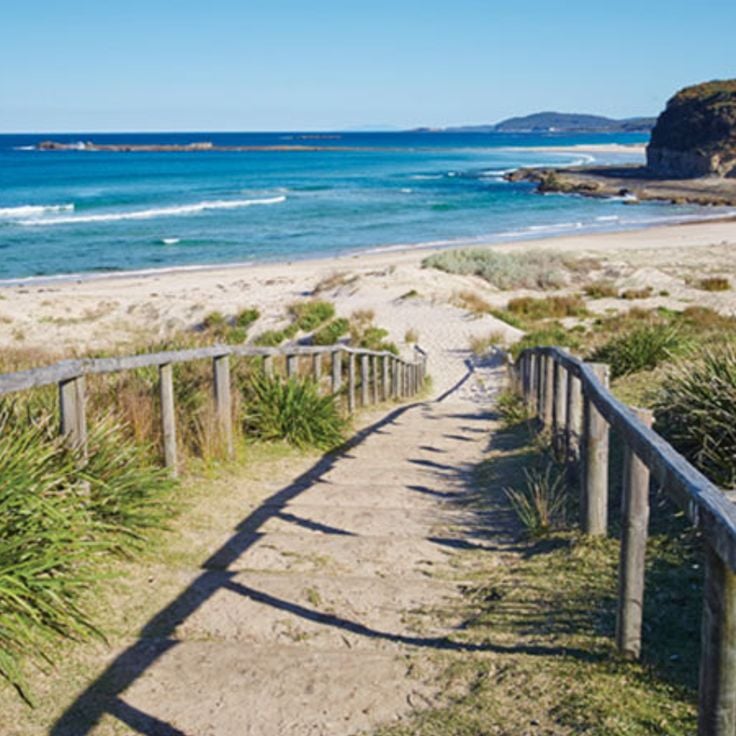
Narooma is a coastal village on the South Coast where visitors can access Montague Island for tours and excursions. The village sits along the shore and serves as a departure point for trips to the island. Here, travelers can observe local wildlife and explore the rocky coastal sections. The village maintains the character of an authentic Australian coastal town with local restaurants and accommodations. The surrounding area features sandy beaches and cliffs that invite walking and photography.
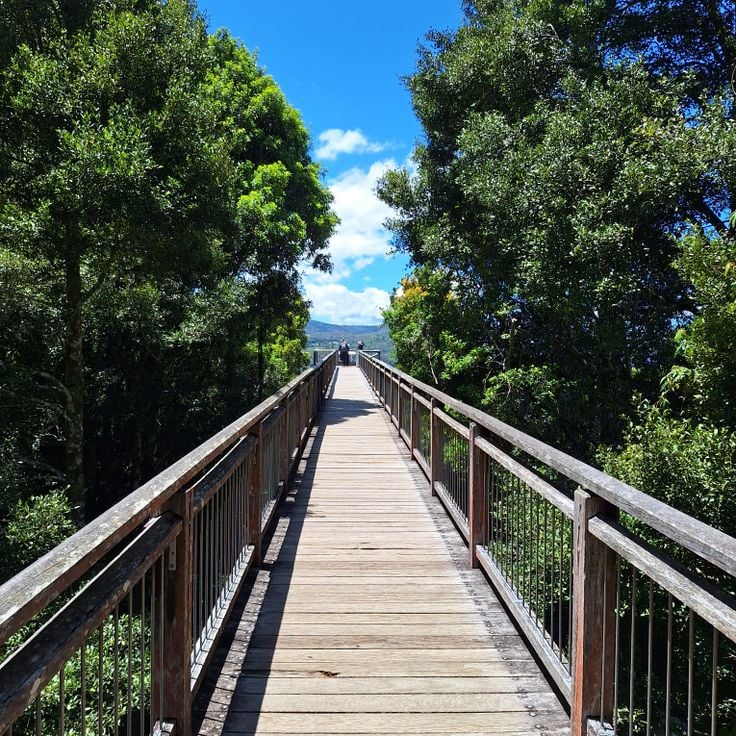
Scenic World is an amusement park in Katoomba in the Blue Mountains, featuring a scenic railway, a cable car, and a suspended walkway that give access to this protected mountain region. The park allows visitors to experience the geological formations and forests of the Blue Mountains from different vantage points, from above on the cable car to below in the valley on the railway.
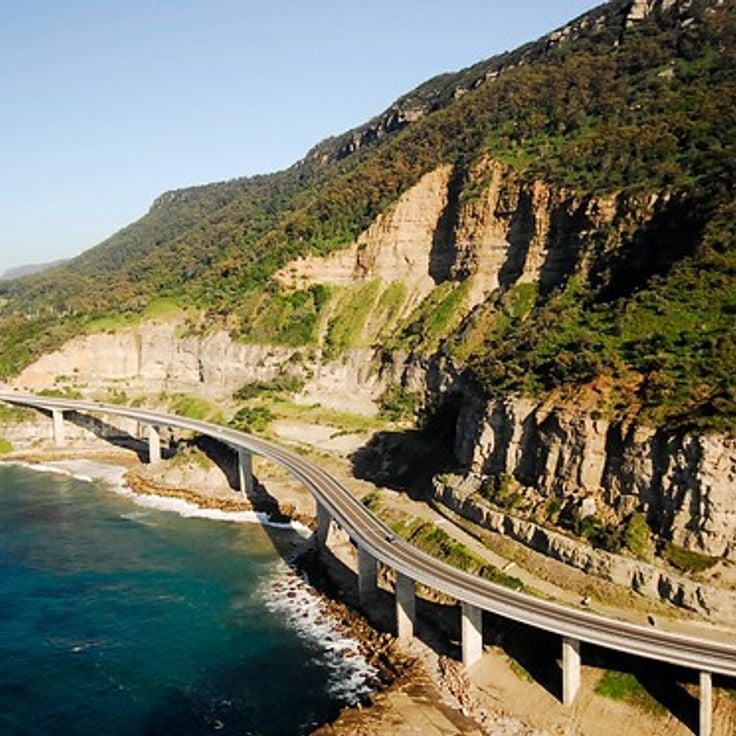
The Sea Cliff Bridge is a suspension bridge that spans the ocean between coastal cliffs near Wollongong. It carries traffic across a dramatic section of the coast, allowing visitors to cross this rugged landscape while taking in views of the sea and cliffs from the structure itself. The bridge is part of the scenic Coastal Drive route and represents how engineering connects people with this remote stretch of the New South Wales coast. It has become a notable landmark for travelers exploring the region.
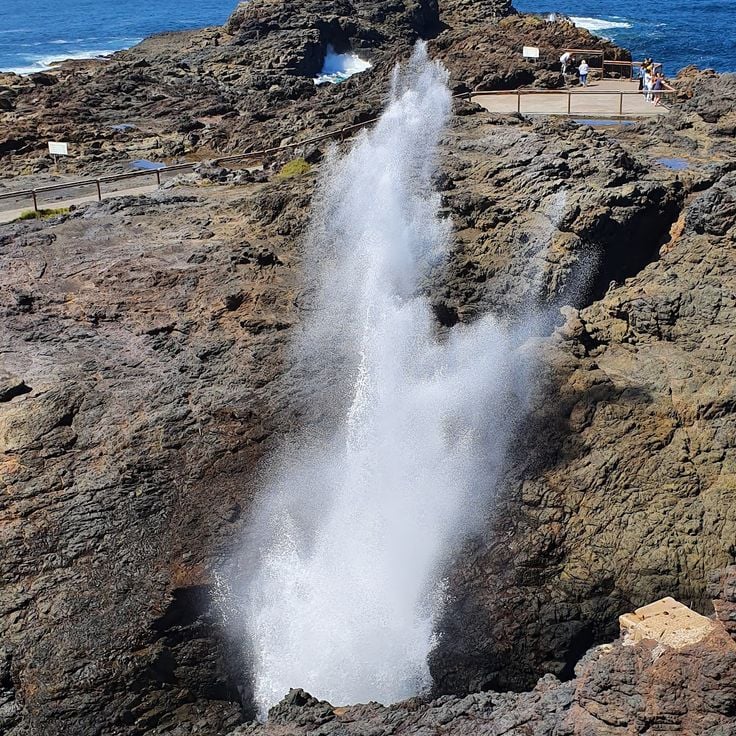
Kiama Blowhole is a natural coastal phenomenon where water shoots up through holes in the rock. This happens when waves hit the rocky shore and force water through natural openings in the stone. The spot shows the raw power of the ocean and is part of the varied coastal landscape of New South Wales. Visitors can watch how the sea has shaped the rocks over time.
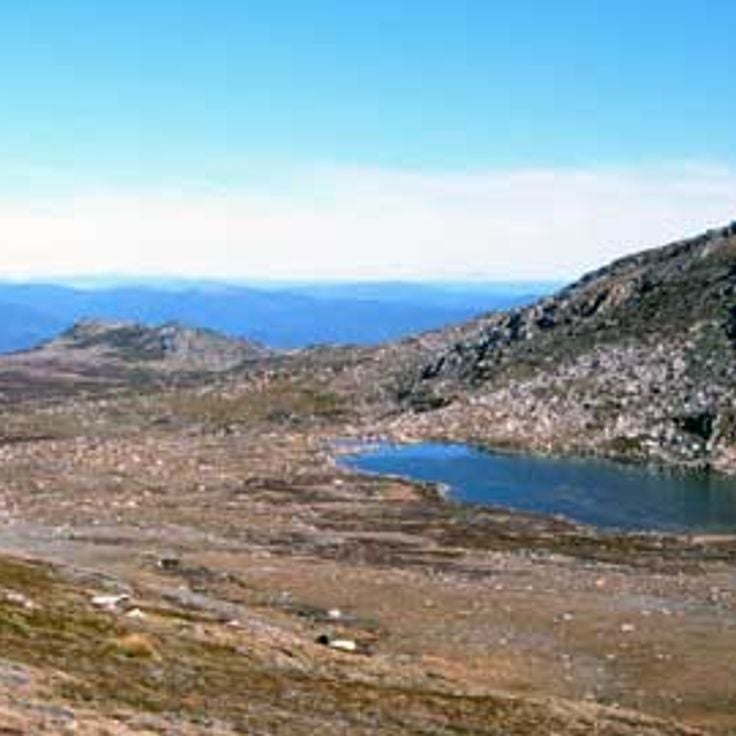
Kosciuszko National Park sits in the Snowy Mountains in the southwest of New South Wales and offers alpine landscapes with mountains, lakes, and hiking trails. This park represents the natural diversity that defines New South Wales, with terrain that invites visitors to walk and explore. It belongs to the destinations that show the state in all its variety, from nature to colonial history and outdoor life.
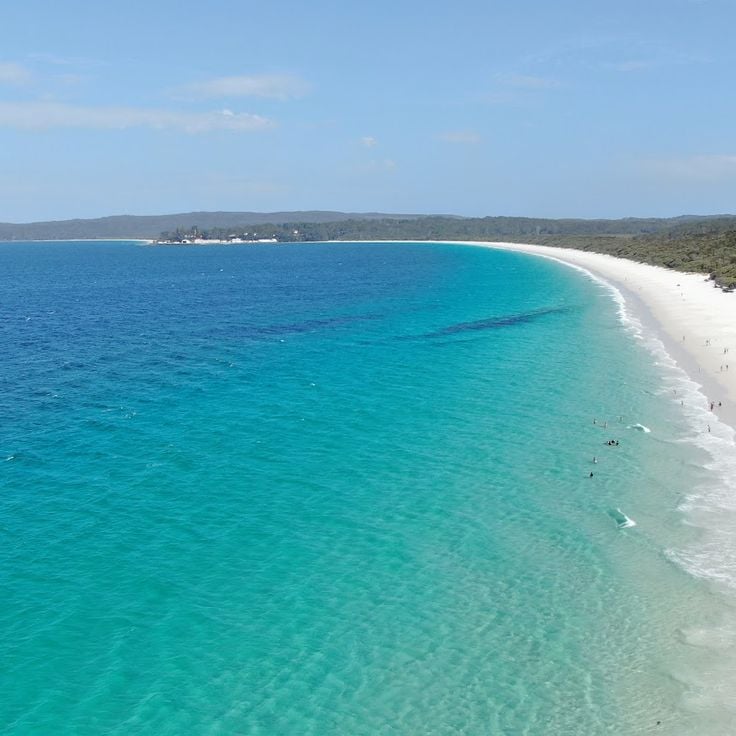
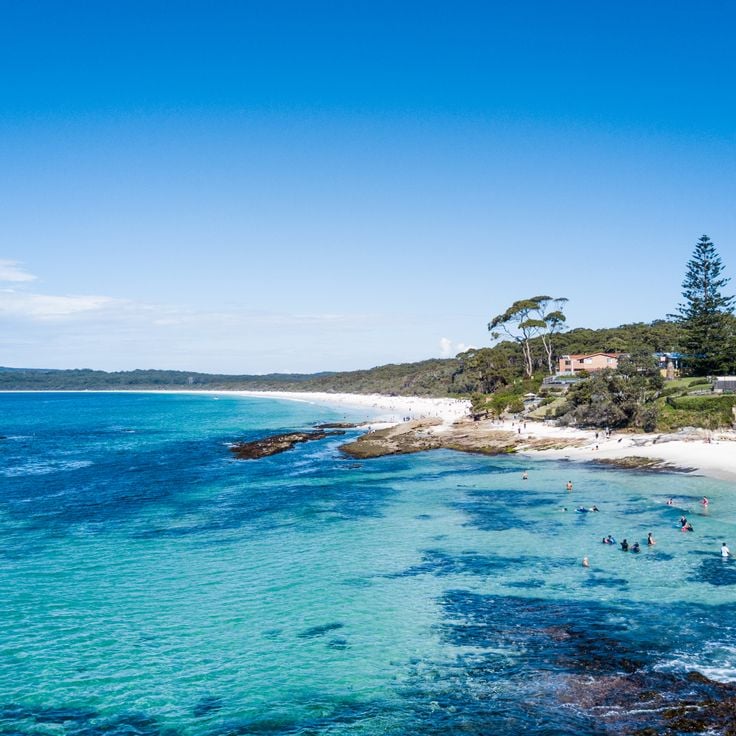
Hyams Beach is located on the South Coast of New South Wales and is known for its fine white sand. The beach stretches along Jervis Bay and attracts visitors who want to swim and relax. The water is clear and the bay offers protection from strong waves. There are small restaurants and shops nearby. The beach is suitable for families and is also popular with surfers. The area can be reached from Sydney in a few hours.
Jervis Bay sits on the South Coast and features white sandy beaches where visitors swim and relax. The bay is known for whale watching during certain seasons when whales pass through the waters. Several beach towns line the coast and offer waterfront activities. The area combines natural coastal experiences with seaside living and shows the range of landscapes found along New South Wales' coast.
Port Stephens is a coastal town on the central coast of New South Wales. This location features wide beaches, sand dunes, and bays that invite sailing and water activities. The region is known for dolphin and whale watching in the waters offshore. With several beaches, Port Stephens offers both quiet and active swimming spots. Its proximity to Sydney makes this coastal town a popular day trip destination for visitors seeking beaches and ocean activities.
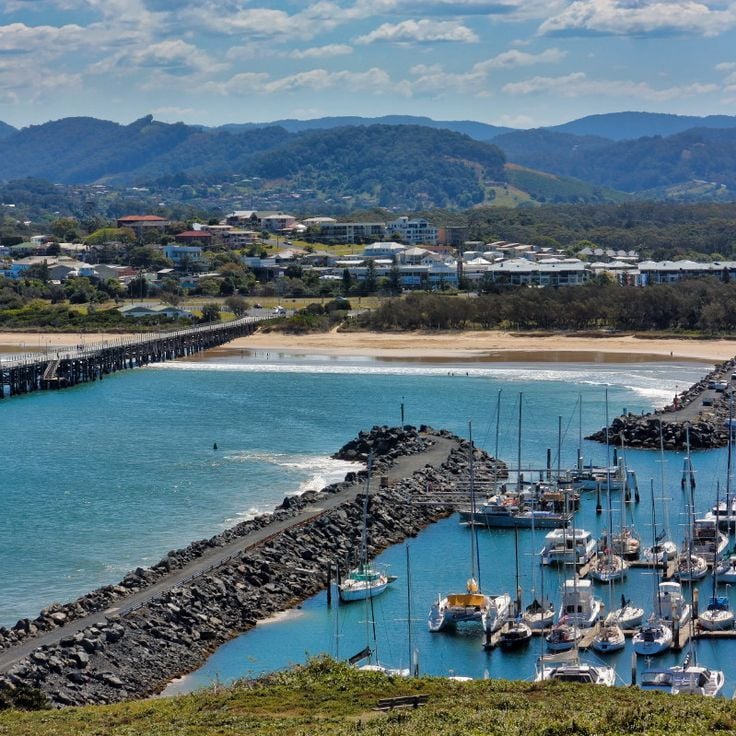
Coffs Harbour is a coastal town on the Coffs Coast where visitors find broad beaches for swimming and surfing. The town has a working fishing port where you can watch boats being loaded and unloaded. Behind the beaches sits subtropical forest with walking trails and local wildlife. Located between Sydney and Brisbane, the town brings together beach life with access to the forested hinterland.
Murramarang National Park sits on the South Coast of New South Wales and joins protected beaches with thick forest. Visitors can watch kangaroos roaming freely and take long walks along the coastline. The park shows the typical landscape of this coastal section, where forest stretches to the water and wildlife is part of everyday life here.
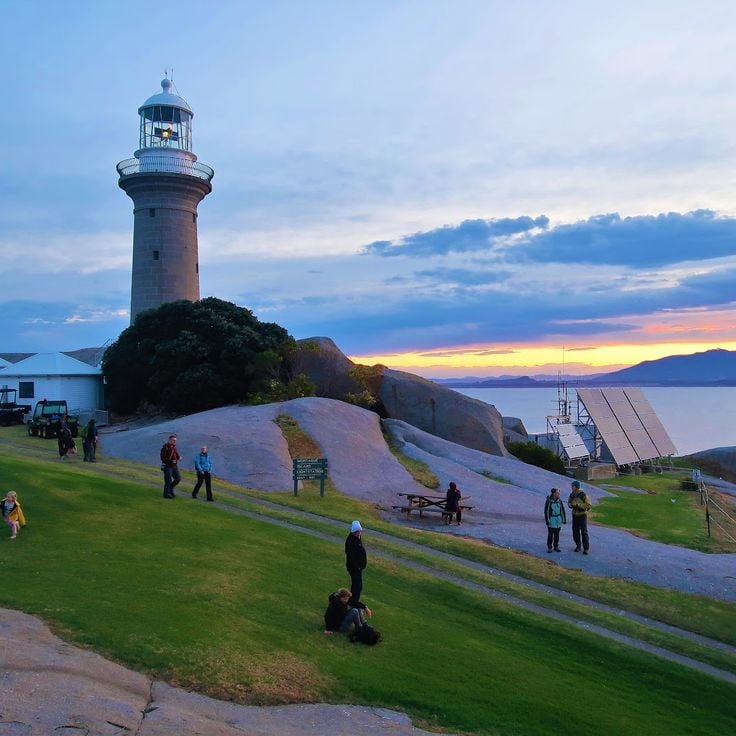
Montague Island sits off the South Coast of New South Wales and is a place you reach by boat. A lighthouse stands on the cliffs, and the waters around it are filled with marine life. Many visitors come to dive or to watch sea lions and penguins. The island is part of the variety of places in the region that show how different the nature there can be.
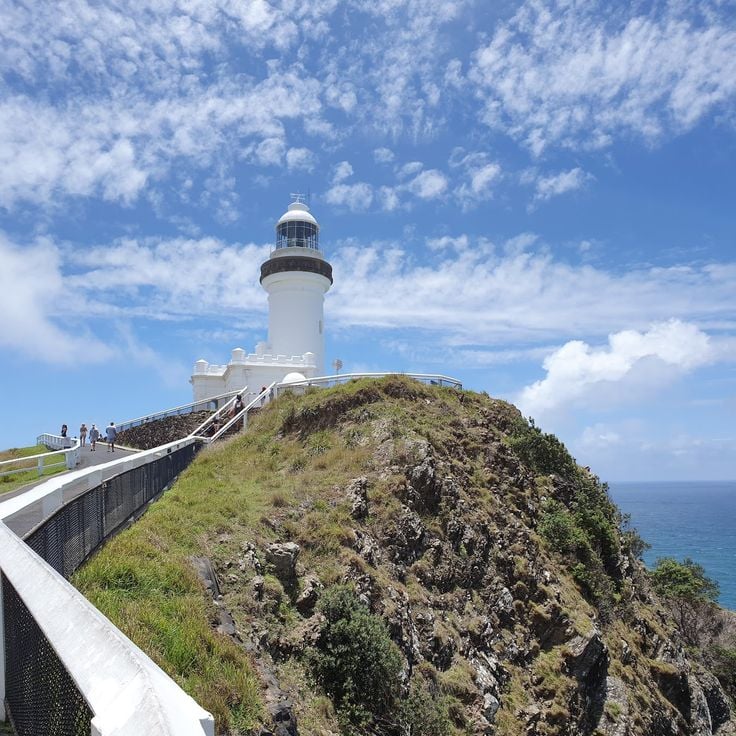
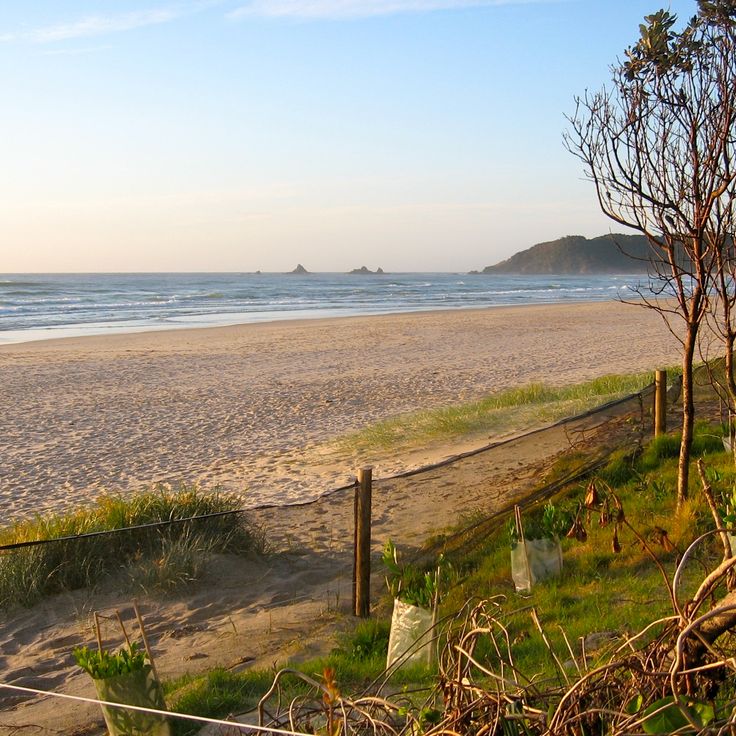
The Cape Byron Lighthouse sits on the southern tip of Byron Bay and offers visitors a vantage point overlooking the ocean. This historic beacon is part of the many attractions found across New South Wales, scattered between coasts, mountains, and wine regions. From this spot, you can look out at the coastline and watch the light that has guided ships for many years.
Bouddi National Park sits along the Central Coast of New South Wales and features walking trails, hidden beaches, and rocky headlands. This coastal park is part of a collection of around 30 locations that represent the state's diversity - from Sydney's internationally recognized landmarks to UNESCO-protected Blue Mountains, from beaches where surfers and swimmers gather to wine regions with over a century of production history. The park also contains limestone caves, areas for observing local wildlife, and coastal or mountain towns with their own character.
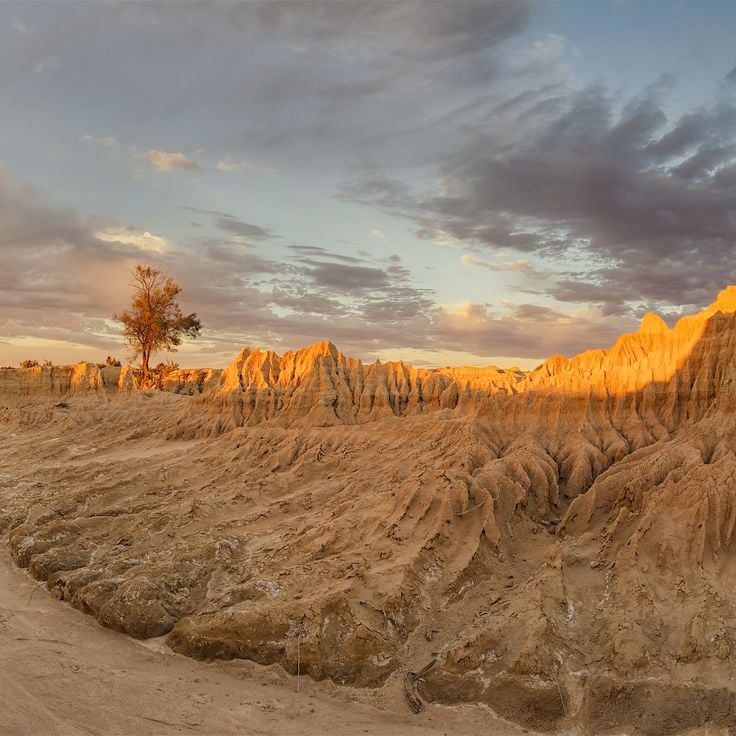
Mungo National Park in the Far West region is part of the Willandra Lakes Region UNESCO World Heritage Site. The park has archaeological sites and distinctive geological formations made of sand dunes and colored earth layers. It shows how people lived here for thousands of years. The landscape is open and wide, with red and white earth bands that glow with color at sunrise and sunset. Visitors can walk trails to explore the land and see where ancient artifacts have been found.
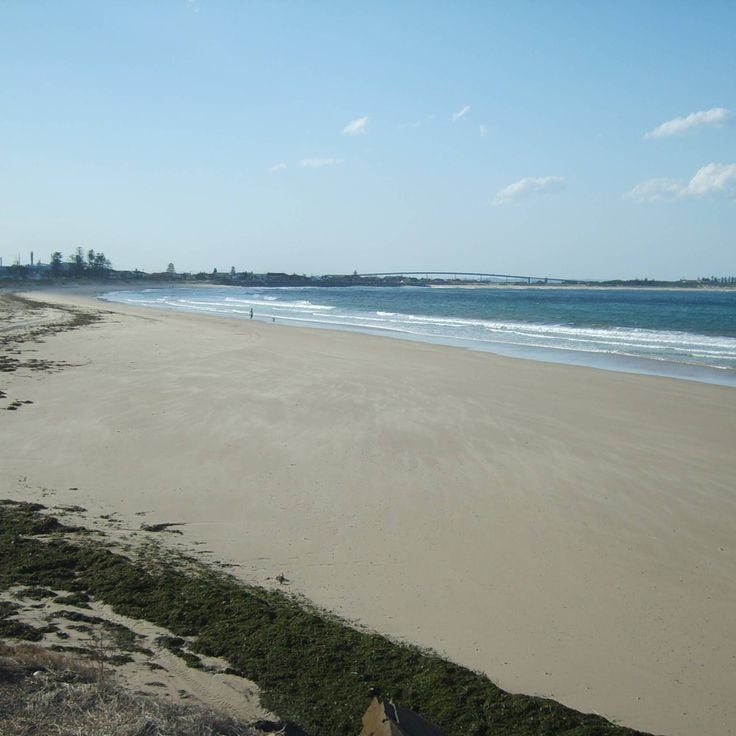
Stockton Sand Dunes are vast expanses of white sand dunes located near Port Stephens. These dunes cover a large area and create a distinctive sandy landscape in the region. Visitors can explore the dunes by four-wheel drive vehicle and experience the open expanse of this sand formation. The area remains relatively undeveloped and offers a different kind of scenery compared to the other beaches, mountains, and wine valleys featured in this collection.
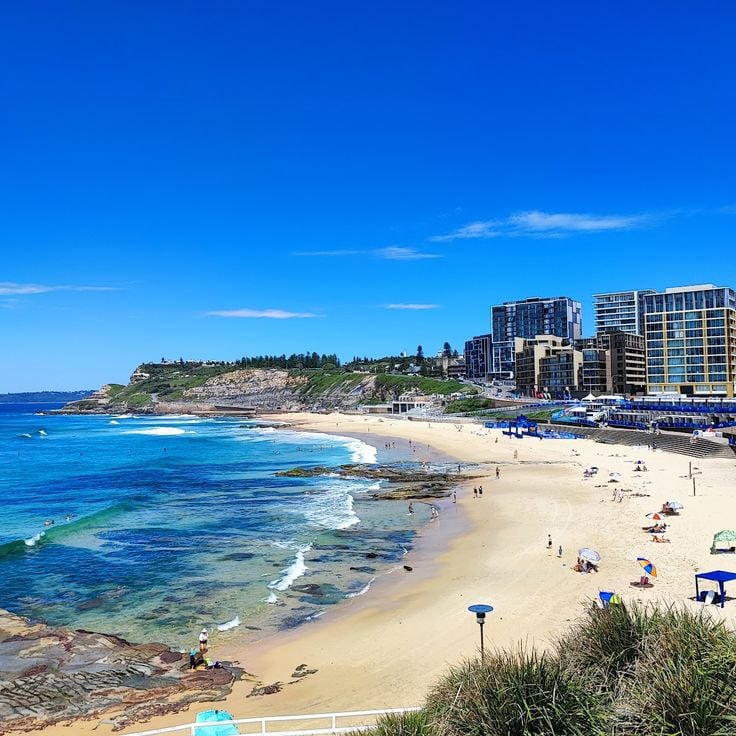
Newcastle sits on the coast of New South Wales, north of Sydney, blending beach life with urban energy. The city has long stretches of sand for swimming and surfing, including Bogey Hole, a natural ocean pool carved into the rocks. The waterfront with its walking paths and parks shows how Australians use their coastal towns, with cafes and lookouts over the water.
Hunter Valley is a wine region located in Pokolbin that spreads across rolling hills. Vineyards cover the landscape, and many wineries welcome visitors for tastings and tours. The region has developed as a wine-producing area for over a century. Restaurants throughout the valley serve local and international cuisine. People come here to experience the landscape and learn about wine production. Visitors can taste wines directly at the source and see how vineyards operate throughout the seasons.
Dorrigo National Park sits in the hinterland near Coffs Harbour and features subtropical rainforest with waterfalls and walking trails. The park is covered in dense vegetation that changes with the seasons. Several paths wind through the forest, leading past cascading water and native plants. Visitors can spend a few hours or a full day here, exploring on foot and observing the local wildlife. The park offers a glimpse into the natural diversity that defines inland New South Wales.
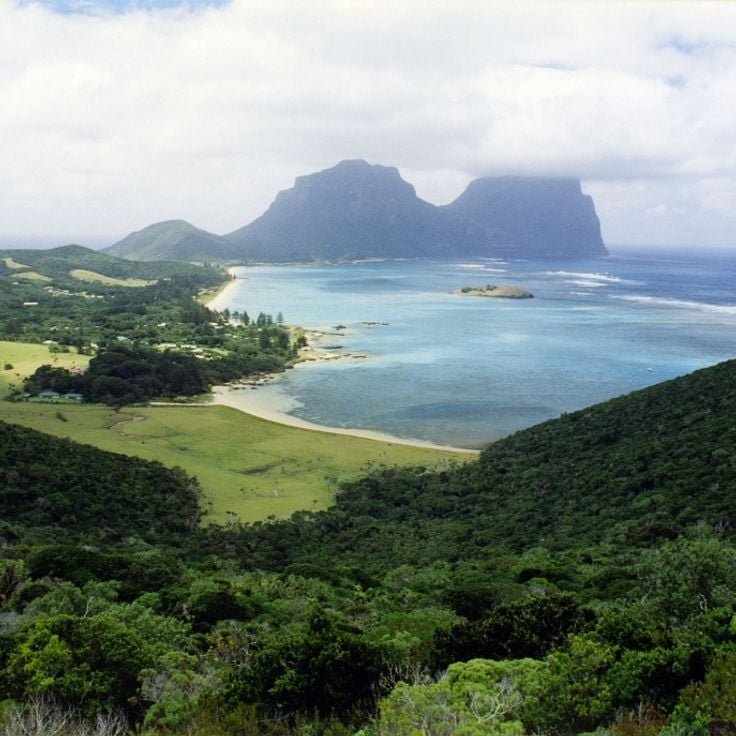
Lord Howe Island is a UNESCO island off the coast of New South Wales, offering pristine beaches, forested mountains and unique wildlife. This island is part of a collection of around thirty sites that reflect the diversity of the region, from coastlines with their beaches to forested mountains and inland plateaus. Lord Howe Island demonstrates a different aspect of the state: a remote location where you can observe native animals and where nature appears untouched. Visiting the island requires travel from the mainland and offers a contrast to urban areas and better-known attractions like Sydney.
Byron Bay is a coastal town in northern New South Wales with wide sandy beaches and a relaxed mood. The town draws people who want to surf, walk, and explore local culture. Small shops sell handmade crafts and local products. The place is known for bringing together people from different backgrounds who share their own way of living. The ocean sits right next to the town and invites swimmers and surfers to enjoy it.
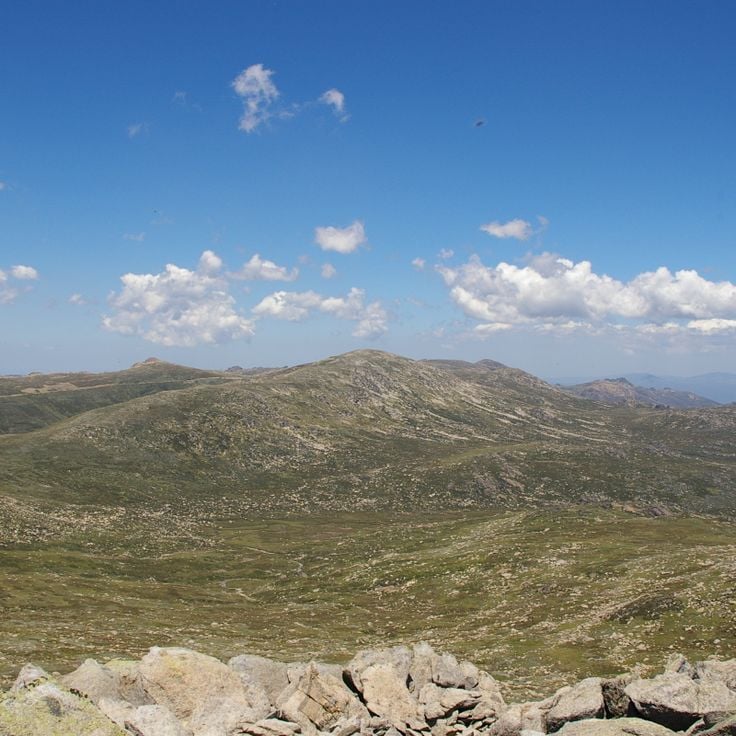
Mount Kosciuszko is Australia's highest peak, located in the Snowy Mountains of New South Wales. Well-marked walking trails lead from the alpine villages to the summit. The path winds through high country terrain with alpine vegetation and rock formations. From the top, you can see across the surrounding mountains and valleys. Visitors come here to walk to the peak and experience the landscape of this mountain region.
Orange is a regional city in the interior of New South Wales known for its wine regions and local culture. The town sits among vineyards and offers restaurants featuring regional cuisine, along with seasonal events and festivals throughout the year. It provides a window into rural Australian life, away from the major coastal centers. Visitors can explore the surrounding countryside, sample local products, and experience the rhythm of a working farming community.
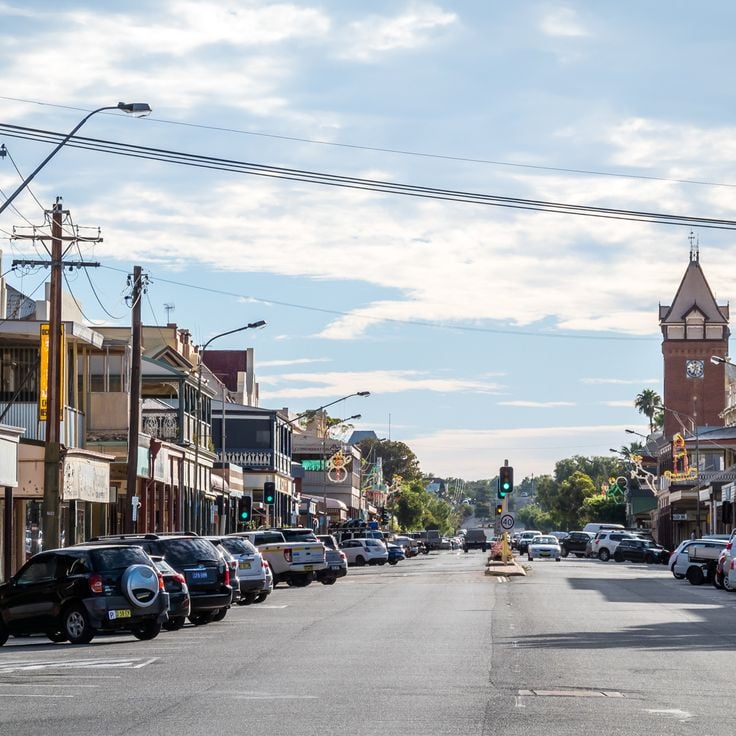
Broken Hill is a town in the interior that was shaped by mining operations and still preserves remnants of its mining past. The town has an active art scene with galleries and artists who have made it their home. The streets show the history of lead ore production and buildings from that era remain standing. Visitors can tour mining sites, view art exhibitions, and experience life in a town that continues to be defined by mining while nurturing artistic expression.
Bondi Beach is a well-known coastal area near Sydney and shows how Australians enjoy swimming and water sports. The sand is white and the waves attract surfers from different regions. Along the shore there are restaurants and cafes where people gather to eat and enjoy the view. The beach has its own rhythm: in the morning swimmers and surfers arrive, during the day families and visitors come. This place gives a real sense of how important the ocean is to everyday life in the city.
The Sydney Harbour Bridge is a large steel structure that connects the city center to the north. From here, visitors can look out over the harbor. This bridge has defined Sydney's character and offers viewpoints where you can see the city and the water.
The Sydney Opera House is a world-known building with distinctive design located on the bay. It serves as a major cultural center with concert halls and theater spaces. This structure is among the most recognized monuments to visit in New South Wales and reflects the urban and cultural diversity of the state.
The Blue Mountains are a mountain range with UNESCO World Heritage status located west of Sydney. This formation consists of sandstone plateaus cut through by deep valleys. Eucalyptus forests cover the slopes, and the rock has a blue tint that comes from the oil released by the eucalyptus trees. Walking trails run through the region and allow visitors to explore cliffs, descend into gorges, and observe the local plants and animals. Some areas are easily accessible, while others require more effort. The region is a popular destination for people traveling from Sydney.
The Rocks is Sydney's oldest quarter, where the city's history comes alive in its streets. Stone buildings from the colonial era line narrow lanes that now hold cafes, galleries, and shops. Walking here, you feel the past in the old walls and cobblestone paths beneath your feet. The neighborhood sits right at the harbor, with views of the bridge and opera house. Artists and craftspeople work in their studios, restaurants serve local food, and weekend markets bring energy to the streets.
Circular Quay is a ferry terminal at the base of Sydney Opera House, with direct access to the harbor and departures to explore the surrounding area. This is where residents and visitors board ferries to reach other parts of Sydney Harbour and nearby neighborhoods. The quay sits in the heart of the city, mixing everyday travel routines with views of the water and the Opera House. People pass through here constantly throughout the day, catching ferries to coastal suburbs and attractions around the bay.
Echo Point in Katoomba offers views of the Three Sisters, three rock peaks that rise from the Jamison Valley below. From this viewpoint, visitors see the forested mountains of the Blue Mountains and the landscape stretching into the distance. The location is easy to reach and popular because it shows one of the region's most photographed views. On clear days, you can see across the valley and trace the layers of the surrounding ridges.
The Royal Botanic Garden in Sydney is a botanical garden with plant collections, green spaces, and walking trails. Visitors can stroll among different plant species while enjoying views over the bay. The garden combines horticultural displays with waterfront views and easy access to the city.
Taronga Zoo is located in Mosman, Sydney, where visitors can see animals from Australia and around the world. The location across the bay offers views of the famous Opera House. The zoo is part of New South Wales tourism, a state that connects landscapes from coastal beaches to forested mountains and offers travelers nature, history, and city life.
Manly Scenic Walks are coastal trails around the Sydney neighborhood of Manly that offer ocean views and access to small coves. These paths connect different beaches and allow you to explore the coastline at your own pace. You walk along cliffs, through vegetation, and past lookout points where you can see the expanse of the ocean. These walks are among the activities visitors enjoy in this part of Sydney.
The Royal National Park sits south of Sydney with steep cliffs, sheltered beaches and hiking paths. This protected area shows the natural diversity of the Australian east coast through its bays, rock formations and forested areas. Visitors walk on trails, swim in quiet coves or watch local wildlife. The park offers the feel of wild nature while staying close to the city.
Manly Beach is a sandy beach in the north of Sydney, reached by ferry. The sand is white and the water is suitable for swimming. People come here to swim and surf in the waves. The beachfront has a seaside resort feel, with restaurants and cafes overlooking the water. This is a popular destination for both locals and visitors who want to spend time at the shore.
Hyde Park Barracks in Sydney is a historic building recognized by UNESCO as a World Heritage site. Originally built as a barracks to house convicts, it now operates as a museum that tells the story of Australia's penal history. Visitors can learn about the colonial beginnings of the country and the lives of the prisoners who were confined here. It stands as an important place for understanding Sydney's past.
Wollongong sits south of Sydney along the coast and is a lively place with long beaches where locals swim and surf. The city has paths that run along the ocean and viewpoints from which you can see the water and cliffs. You find small restaurants and cafes with ocean views, and the beaches have different characters, some suited for families and others for surfers. The area shows what daily life is like on Australia's south coast.
Three Sisters is a distinctive rock formation in the Blue Mountains near Katoomba. Three tall columns of rock rise from the valley below, shaped by erosion over millions of years. The formation takes its name from an Aboriginal story about three sisters who were turned to stone. Visitors can view these rocks from several lookout points and experience the landscape of the Blue Mountains around them.
Jenolan Caves is a system of limestone caves located in the Blue Mountains. The site features underground galleries that are lit and accessible through guided tours. This is one of Australia's oldest tourist attractions, drawing visitors who wish to see the geological formations and the subterranean landscape. The cave system offers various routes of different difficulty levels, ranging from easy walks to more challenging climbing tours.
Narooma is a coastal village on the South Coast where visitors can access Montague Island for tours and excursions. The village sits along the shore and serves as a departure point for trips to the island. Here, travelers can observe local wildlife and explore the rocky coastal sections. The village maintains the character of an authentic Australian coastal town with local restaurants and accommodations. The surrounding area features sandy beaches and cliffs that invite walking and photography.
Scenic World is an amusement park in Katoomba in the Blue Mountains, featuring a scenic railway, a cable car, and a suspended walkway that give access to this protected mountain region. The park allows visitors to experience the geological formations and forests of the Blue Mountains from different vantage points, from above on the cable car to below in the valley on the railway.
The Sea Cliff Bridge is a suspension bridge that spans the ocean between coastal cliffs near Wollongong. It carries traffic across a dramatic section of the coast, allowing visitors to cross this rugged landscape while taking in views of the sea and cliffs from the structure itself. The bridge is part of the scenic Coastal Drive route and represents how engineering connects people with this remote stretch of the New South Wales coast. It has become a notable landmark for travelers exploring the region.
Kiama Blowhole is a natural coastal phenomenon where water shoots up through holes in the rock. This happens when waves hit the rocky shore and force water through natural openings in the stone. The spot shows the raw power of the ocean and is part of the varied coastal landscape of New South Wales. Visitors can watch how the sea has shaped the rocks over time.
Kosciuszko National Park sits in the Snowy Mountains in the southwest of New South Wales and offers alpine landscapes with mountains, lakes, and hiking trails. This park represents the natural diversity that defines New South Wales, with terrain that invites visitors to walk and explore. It belongs to the destinations that show the state in all its variety, from nature to colonial history and outdoor life.
Hyams Beach is located on the South Coast of New South Wales and is known for its fine white sand. The beach stretches along Jervis Bay and attracts visitors who want to swim and relax. The water is clear and the bay offers protection from strong waves. There are small restaurants and shops nearby. The beach is suitable for families and is also popular with surfers. The area can be reached from Sydney in a few hours.
Jervis Bay sits on the South Coast and features white sandy beaches where visitors swim and relax. The bay is known for whale watching during certain seasons when whales pass through the waters. Several beach towns line the coast and offer waterfront activities. The area combines natural coastal experiences with seaside living and shows the range of landscapes found along New South Wales' coast.
Port Stephens is a coastal town on the central coast of New South Wales. This location features wide beaches, sand dunes, and bays that invite sailing and water activities. The region is known for dolphin and whale watching in the waters offshore. With several beaches, Port Stephens offers both quiet and active swimming spots. Its proximity to Sydney makes this coastal town a popular day trip destination for visitors seeking beaches and ocean activities.
Coffs Harbour is a coastal town on the Coffs Coast where visitors find broad beaches for swimming and surfing. The town has a working fishing port where you can watch boats being loaded and unloaded. Behind the beaches sits subtropical forest with walking trails and local wildlife. Located between Sydney and Brisbane, the town brings together beach life with access to the forested hinterland.
Murramarang National Park sits on the South Coast of New South Wales and joins protected beaches with thick forest. Visitors can watch kangaroos roaming freely and take long walks along the coastline. The park shows the typical landscape of this coastal section, where forest stretches to the water and wildlife is part of everyday life here.
Montague Island sits off the South Coast of New South Wales and is a place you reach by boat. A lighthouse stands on the cliffs, and the waters around it are filled with marine life. Many visitors come to dive or to watch sea lions and penguins. The island is part of the variety of places in the region that show how different the nature there can be.
The Cape Byron Lighthouse sits on the southern tip of Byron Bay and offers visitors a vantage point overlooking the ocean. This historic beacon is part of the many attractions found across New South Wales, scattered between coasts, mountains, and wine regions. From this spot, you can look out at the coastline and watch the light that has guided ships for many years.
Bouddi National Park sits along the Central Coast of New South Wales and features walking trails, hidden beaches, and rocky headlands. This coastal park is part of a collection of around 30 locations that represent the state's diversity - from Sydney's internationally recognized landmarks to UNESCO-protected Blue Mountains, from beaches where surfers and swimmers gather to wine regions with over a century of production history. The park also contains limestone caves, areas for observing local wildlife, and coastal or mountain towns with their own character.
Mungo National Park in the Far West region is part of the Willandra Lakes Region UNESCO World Heritage Site. The park has archaeological sites and distinctive geological formations made of sand dunes and colored earth layers. It shows how people lived here for thousands of years. The landscape is open and wide, with red and white earth bands that glow with color at sunrise and sunset. Visitors can walk trails to explore the land and see where ancient artifacts have been found.
Stockton Sand Dunes are vast expanses of white sand dunes located near Port Stephens. These dunes cover a large area and create a distinctive sandy landscape in the region. Visitors can explore the dunes by four-wheel drive vehicle and experience the open expanse of this sand formation. The area remains relatively undeveloped and offers a different kind of scenery compared to the other beaches, mountains, and wine valleys featured in this collection.
Newcastle sits on the coast of New South Wales, north of Sydney, blending beach life with urban energy. The city has long stretches of sand for swimming and surfing, including Bogey Hole, a natural ocean pool carved into the rocks. The waterfront with its walking paths and parks shows how Australians use their coastal towns, with cafes and lookouts over the water.
Hunter Valley is a wine region located in Pokolbin that spreads across rolling hills. Vineyards cover the landscape, and many wineries welcome visitors for tastings and tours. The region has developed as a wine-producing area for over a century. Restaurants throughout the valley serve local and international cuisine. People come here to experience the landscape and learn about wine production. Visitors can taste wines directly at the source and see how vineyards operate throughout the seasons.
Dorrigo National Park sits in the hinterland near Coffs Harbour and features subtropical rainforest with waterfalls and walking trails. The park is covered in dense vegetation that changes with the seasons. Several paths wind through the forest, leading past cascading water and native plants. Visitors can spend a few hours or a full day here, exploring on foot and observing the local wildlife. The park offers a glimpse into the natural diversity that defines inland New South Wales.
Lord Howe Island is a UNESCO island off the coast of New South Wales, offering pristine beaches, forested mountains and unique wildlife. This island is part of a collection of around thirty sites that reflect the diversity of the region, from coastlines with their beaches to forested mountains and inland plateaus. Lord Howe Island demonstrates a different aspect of the state: a remote location where you can observe native animals and where nature appears untouched. Visiting the island requires travel from the mainland and offers a contrast to urban areas and better-known attractions like Sydney.
Byron Bay is a coastal town in northern New South Wales with wide sandy beaches and a relaxed mood. The town draws people who want to surf, walk, and explore local culture. Small shops sell handmade crafts and local products. The place is known for bringing together people from different backgrounds who share their own way of living. The ocean sits right next to the town and invites swimmers and surfers to enjoy it.
Mount Kosciuszko is Australia's highest peak, located in the Snowy Mountains of New South Wales. Well-marked walking trails lead from the alpine villages to the summit. The path winds through high country terrain with alpine vegetation and rock formations. From the top, you can see across the surrounding mountains and valleys. Visitors come here to walk to the peak and experience the landscape of this mountain region.
Orange is a regional city in the interior of New South Wales known for its wine regions and local culture. The town sits among vineyards and offers restaurants featuring regional cuisine, along with seasonal events and festivals throughout the year. It provides a window into rural Australian life, away from the major coastal centers. Visitors can explore the surrounding countryside, sample local products, and experience the rhythm of a working farming community.
Broken Hill is a town in the interior that was shaped by mining operations and still preserves remnants of its mining past. The town has an active art scene with galleries and artists who have made it their home. The streets show the history of lead ore production and buildings from that era remain standing. Visitors can tour mining sites, view art exhibitions, and experience life in a town that continues to be defined by mining while nurturing artistic expression.
Bondi Beach is a well-known coastal area near Sydney and shows how Australians enjoy swimming and water sports. The sand is white and the waves attract surfers from different regions. Along the shore there are restaurants and cafes where people gather to eat and enjoy the view. The beach has its own rhythm: in the morning swimmers and surfers arrive, during the day families and visitors come. This place gives a real sense of how important the ocean is to everyday life in the city.
The Sydney Harbour Bridge is a large steel structure that connects the city center to the north. From here, visitors can look out over the harbor. This bridge has defined Sydney's character and offers viewpoints where you can see the city and the water.
The Sydney Opera House is a world-known building with distinctive design located on the bay. It serves as a major cultural center with concert halls and theater spaces. This structure is among the most recognized monuments to visit in New South Wales and reflects the urban and cultural diversity of the state.
The Blue Mountains are a mountain range with UNESCO World Heritage status located west of Sydney. This formation consists of sandstone plateaus cut through by deep valleys. Eucalyptus forests cover the slopes, and the rock has a blue tint that comes from the oil released by the eucalyptus trees. Walking trails run through the region and allow visitors to explore cliffs, descend into gorges, and observe the local plants and animals. Some areas are easily accessible, while others require more effort. The region is a popular destination for people traveling from Sydney.
The Rocks is Sydney's oldest quarter, where the city's history comes alive in its streets. Stone buildings from the colonial era line narrow lanes that now hold cafes, galleries, and shops. Walking here, you feel the past in the old walls and cobblestone paths beneath your feet. The neighborhood sits right at the harbor, with views of the bridge and opera house. Artists and craftspeople work in their studios, restaurants serve local food, and weekend markets bring energy to the streets.
Circular Quay is a ferry terminal at the base of Sydney Opera House, with direct access to the harbor and departures to explore the surrounding area. This is where residents and visitors board ferries to reach other parts of Sydney Harbour and nearby neighborhoods. The quay sits in the heart of the city, mixing everyday travel routines with views of the water and the Opera House. People pass through here constantly throughout the day, catching ferries to coastal suburbs and attractions around the bay.
Echo Point in Katoomba offers views of the Three Sisters, three rock peaks that rise from the Jamison Valley below. From this viewpoint, visitors see the forested mountains of the Blue Mountains and the landscape stretching into the distance. The location is easy to reach and popular because it shows one of the region's most photographed views. On clear days, you can see across the valley and trace the layers of the surrounding ridges.
The Royal Botanic Garden in Sydney is a botanical garden with plant collections, green spaces, and walking trails. Visitors can stroll among different plant species while enjoying views over the bay. The garden combines horticultural displays with waterfront views and easy access to the city.
Taronga Zoo is located in Mosman, Sydney, where visitors can see animals from Australia and around the world. The location across the bay offers views of the famous Opera House. The zoo is part of New South Wales tourism, a state that connects landscapes from coastal beaches to forested mountains and offers travelers nature, history, and city life.
Manly Scenic Walks are coastal trails around the Sydney neighborhood of Manly that offer ocean views and access to small coves. These paths connect different beaches and allow you to explore the coastline at your own pace. You walk along cliffs, through vegetation, and past lookout points where you can see the expanse of the ocean. These walks are among the activities visitors enjoy in this part of Sydney.
The Royal National Park sits south of Sydney with steep cliffs, sheltered beaches and hiking paths. This protected area shows the natural diversity of the Australian east coast through its bays, rock formations and forested areas. Visitors walk on trails, swim in quiet coves or watch local wildlife. The park offers the feel of wild nature while staying close to the city.
Manly Beach is a sandy beach in the north of Sydney, reached by ferry. The sand is white and the water is suitable for swimming. People come here to swim and surf in the waves. The beachfront has a seaside resort feel, with restaurants and cafes overlooking the water. This is a popular destination for both locals and visitors who want to spend time at the shore.
Hyde Park Barracks in Sydney is a historic building recognized by UNESCO as a World Heritage site. Originally built as a barracks to house convicts, it now operates as a museum that tells the story of Australia's penal history. Visitors can learn about the colonial beginnings of the country and the lives of the prisoners who were confined here. It stands as an important place for understanding Sydney's past.
Wollongong sits south of Sydney along the coast and is a lively place with long beaches where locals swim and surf. The city has paths that run along the ocean and viewpoints from which you can see the water and cliffs. You find small restaurants and cafes with ocean views, and the beaches have different characters, some suited for families and others for surfers. The area shows what daily life is like on Australia's south coast.
Three Sisters is a distinctive rock formation in the Blue Mountains near Katoomba. Three tall columns of rock rise from the valley below, shaped by erosion over millions of years. The formation takes its name from an Aboriginal story about three sisters who were turned to stone. Visitors can view these rocks from several lookout points and experience the landscape of the Blue Mountains around them.
Jenolan Caves is a system of limestone caves located in the Blue Mountains. The site features underground galleries that are lit and accessible through guided tours. This is one of Australia's oldest tourist attractions, drawing visitors who wish to see the geological formations and the subterranean landscape. The cave system offers various routes of different difficulty levels, ranging from easy walks to more challenging climbing tours.
Narooma is a coastal village on the South Coast where visitors can access Montague Island for tours and excursions. The village sits along the shore and serves as a departure point for trips to the island. Here, travelers can observe local wildlife and explore the rocky coastal sections. The village maintains the character of an authentic Australian coastal town with local restaurants and accommodations. The surrounding area features sandy beaches and cliffs that invite walking and photography.
Scenic World is an amusement park in Katoomba in the Blue Mountains, featuring a scenic railway, a cable car, and a suspended walkway that give access to this protected mountain region. The park allows visitors to experience the geological formations and forests of the Blue Mountains from different vantage points, from above on the cable car to below in the valley on the railway.
The Sea Cliff Bridge is a suspension bridge that spans the ocean between coastal cliffs near Wollongong. It carries traffic across a dramatic section of the coast, allowing visitors to cross this rugged landscape while taking in views of the sea and cliffs from the structure itself. The bridge is part of the scenic Coastal Drive route and represents how engineering connects people with this remote stretch of the New South Wales coast. It has become a notable landmark for travelers exploring the region.
Kiama Blowhole is a natural coastal phenomenon where water shoots up through holes in the rock. This happens when waves hit the rocky shore and force water through natural openings in the stone. The spot shows the raw power of the ocean and is part of the varied coastal landscape of New South Wales. Visitors can watch how the sea has shaped the rocks over time.
Kosciuszko National Park sits in the Snowy Mountains in the southwest of New South Wales and offers alpine landscapes with mountains, lakes, and hiking trails. This park represents the natural diversity that defines New South Wales, with terrain that invites visitors to walk and explore. It belongs to the destinations that show the state in all its variety, from nature to colonial history and outdoor life.
Hyams Beach is located on the South Coast of New South Wales and is known for its fine white sand. The beach stretches along Jervis Bay and attracts visitors who want to swim and relax. The water is clear and the bay offers protection from strong waves. There are small restaurants and shops nearby. The beach is suitable for families and is also popular with surfers. The area can be reached from Sydney in a few hours.
Jervis Bay sits on the South Coast and features white sandy beaches where visitors swim and relax. The bay is known for whale watching during certain seasons when whales pass through the waters. Several beach towns line the coast and offer waterfront activities. The area combines natural coastal experiences with seaside living and shows the range of landscapes found along New South Wales' coast.
Port Stephens is a coastal town on the central coast of New South Wales. This location features wide beaches, sand dunes, and bays that invite sailing and water activities. The region is known for dolphin and whale watching in the waters offshore. With several beaches, Port Stephens offers both quiet and active swimming spots. Its proximity to Sydney makes this coastal town a popular day trip destination for visitors seeking beaches and ocean activities.
Coffs Harbour is a coastal town on the Coffs Coast where visitors find broad beaches for swimming and surfing. The town has a working fishing port where you can watch boats being loaded and unloaded. Behind the beaches sits subtropical forest with walking trails and local wildlife. Located between Sydney and Brisbane, the town brings together beach life with access to the forested hinterland.
Murramarang National Park sits on the South Coast of New South Wales and joins protected beaches with thick forest. Visitors can watch kangaroos roaming freely and take long walks along the coastline. The park shows the typical landscape of this coastal section, where forest stretches to the water and wildlife is part of everyday life here.
Montague Island sits off the South Coast of New South Wales and is a place you reach by boat. A lighthouse stands on the cliffs, and the waters around it are filled with marine life. Many visitors come to dive or to watch sea lions and penguins. The island is part of the variety of places in the region that show how different the nature there can be.
The Cape Byron Lighthouse sits on the southern tip of Byron Bay and offers visitors a vantage point overlooking the ocean. This historic beacon is part of the many attractions found across New South Wales, scattered between coasts, mountains, and wine regions. From this spot, you can look out at the coastline and watch the light that has guided ships for many years.
Bouddi National Park sits along the Central Coast of New South Wales and features walking trails, hidden beaches, and rocky headlands. This coastal park is part of a collection of around 30 locations that represent the state's diversity - from Sydney's internationally recognized landmarks to UNESCO-protected Blue Mountains, from beaches where surfers and swimmers gather to wine regions with over a century of production history. The park also contains limestone caves, areas for observing local wildlife, and coastal or mountain towns with their own character.
Mungo National Park in the Far West region is part of the Willandra Lakes Region UNESCO World Heritage Site. The park has archaeological sites and distinctive geological formations made of sand dunes and colored earth layers. It shows how people lived here for thousands of years. The landscape is open and wide, with red and white earth bands that glow with color at sunrise and sunset. Visitors can walk trails to explore the land and see where ancient artifacts have been found.
Stockton Sand Dunes are vast expanses of white sand dunes located near Port Stephens. These dunes cover a large area and create a distinctive sandy landscape in the region. Visitors can explore the dunes by four-wheel drive vehicle and experience the open expanse of this sand formation. The area remains relatively undeveloped and offers a different kind of scenery compared to the other beaches, mountains, and wine valleys featured in this collection.
Newcastle sits on the coast of New South Wales, north of Sydney, blending beach life with urban energy. The city has long stretches of sand for swimming and surfing, including Bogey Hole, a natural ocean pool carved into the rocks. The waterfront with its walking paths and parks shows how Australians use their coastal towns, with cafes and lookouts over the water.
Hunter Valley is a wine region located in Pokolbin that spreads across rolling hills. Vineyards cover the landscape, and many wineries welcome visitors for tastings and tours. The region has developed as a wine-producing area for over a century. Restaurants throughout the valley serve local and international cuisine. People come here to experience the landscape and learn about wine production. Visitors can taste wines directly at the source and see how vineyards operate throughout the seasons.
Dorrigo National Park sits in the hinterland near Coffs Harbour and features subtropical rainforest with waterfalls and walking trails. The park is covered in dense vegetation that changes with the seasons. Several paths wind through the forest, leading past cascading water and native plants. Visitors can spend a few hours or a full day here, exploring on foot and observing the local wildlife. The park offers a glimpse into the natural diversity that defines inland New South Wales.
Lord Howe Island is a UNESCO island off the coast of New South Wales, offering pristine beaches, forested mountains and unique wildlife. This island is part of a collection of around thirty sites that reflect the diversity of the region, from coastlines with their beaches to forested mountains and inland plateaus. Lord Howe Island demonstrates a different aspect of the state: a remote location where you can observe native animals and where nature appears untouched. Visiting the island requires travel from the mainland and offers a contrast to urban areas and better-known attractions like Sydney.
Byron Bay is a coastal town in northern New South Wales with wide sandy beaches and a relaxed mood. The town draws people who want to surf, walk, and explore local culture. Small shops sell handmade crafts and local products. The place is known for bringing together people from different backgrounds who share their own way of living. The ocean sits right next to the town and invites swimmers and surfers to enjoy it.
Mount Kosciuszko is Australia's highest peak, located in the Snowy Mountains of New South Wales. Well-marked walking trails lead from the alpine villages to the summit. The path winds through high country terrain with alpine vegetation and rock formations. From the top, you can see across the surrounding mountains and valleys. Visitors come here to walk to the peak and experience the landscape of this mountain region.
Orange is a regional city in the interior of New South Wales known for its wine regions and local culture. The town sits among vineyards and offers restaurants featuring regional cuisine, along with seasonal events and festivals throughout the year. It provides a window into rural Australian life, away from the major coastal centers. Visitors can explore the surrounding countryside, sample local products, and experience the rhythm of a working farming community.
Broken Hill is a town in the interior that was shaped by mining operations and still preserves remnants of its mining past. The town has an active art scene with galleries and artists who have made it their home. The streets show the history of lead ore production and buildings from that era remain standing. Visitors can tour mining sites, view art exhibitions, and experience life in a town that continues to be defined by mining while nurturing artistic expression.