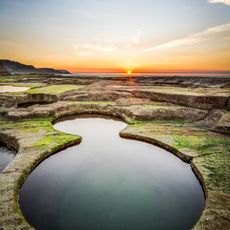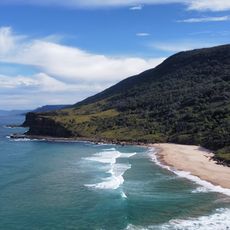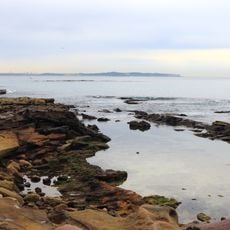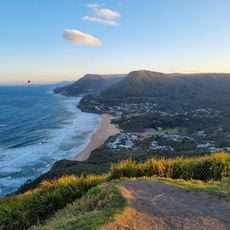
Royal National Park, Nature reserve south of Sydney, Australia.
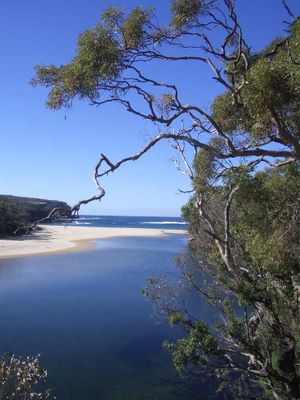
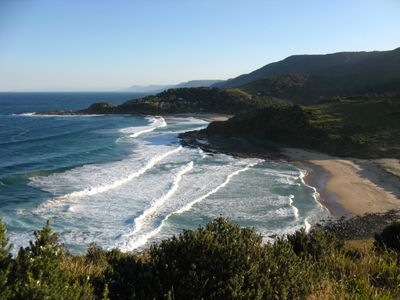
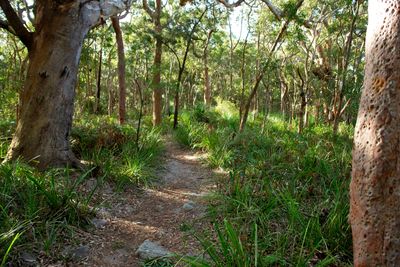
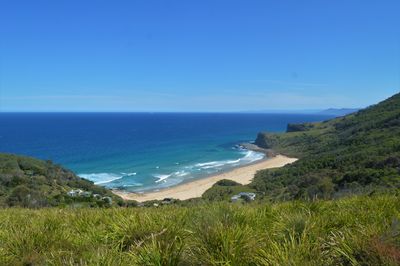
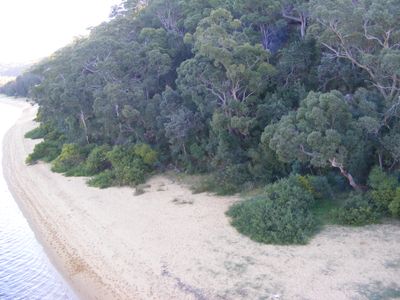
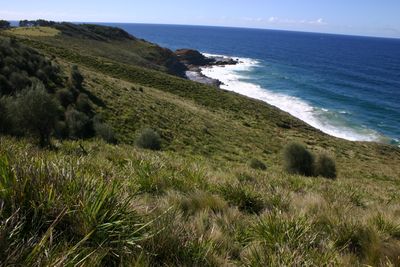
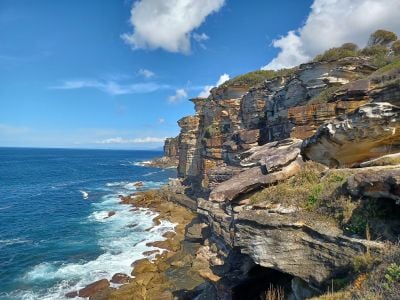
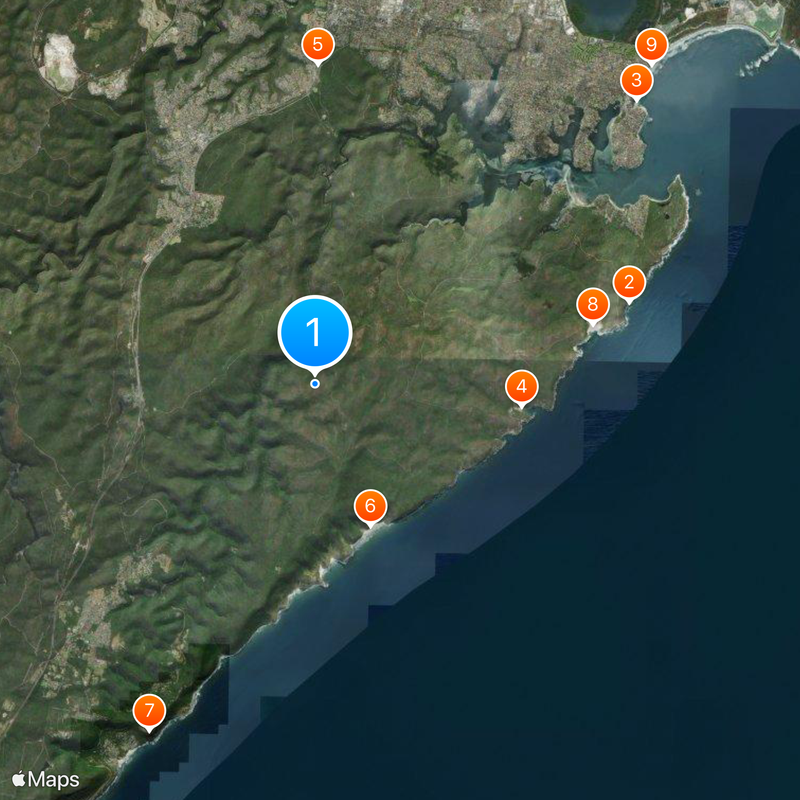
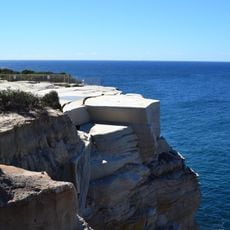
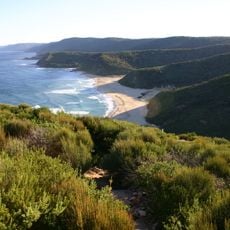
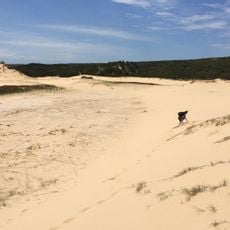
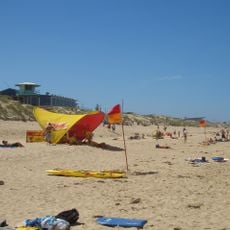
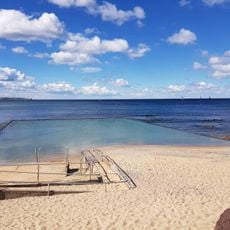
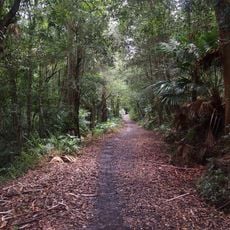
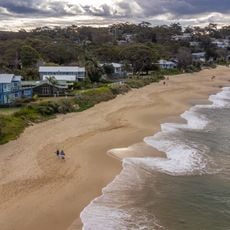
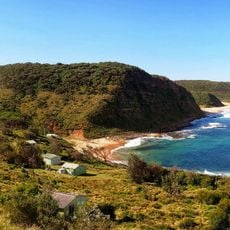
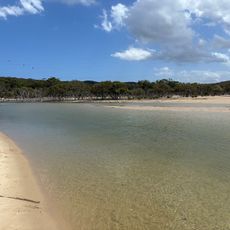
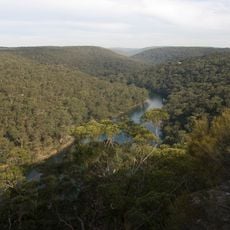
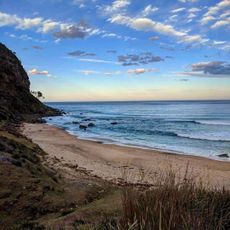
Royal National Park covers 151 square kilometres of the Sutherland Shire and Wollongong areas, about 29 km south of central Sydney. Its northern edge is the shallow Port Hacking inlet, where the Hacking River meets salt water at Audley. Sandstone hills drop several hundred metres to the Tasman Sea, with cliffs, sandy beaches and lagoons along the coast, and subtropical rainforest on the Illawarra Escarpment in the southeast.
Sir John Robertson, Acting Premier of New South Wales, had the National Park proclaimed on 26 April 1879, seven years after Yellowstone and the first in Australia. German sources add that coal had been found on the land and the reserve was created to keep mining competition away from Sydney. It was renamed Royal National Park in 1955, after Elizabeth II passed through by train during her 1954 tour.
The park lies within the traditional lands of the Dharawal people, and the name Wallumarra, given to a track built in 1975, comes from an Aboriginal word for education or protection. The park also contains the settlements of Audley, Maianbar and Bundeena, where the ferry from Cronulla still lands.
Road access runs from Loftus, Waterfall and Otford, and Bundeena and Maianbar can also be reached by passenger ferry from Cronulla. A vehicle access fee applies, while entry on foot is free; camping is allowed only at Bonnie Vale, North Era and Uloola Falls and must be booked in advance. The parks service may close the park in times of extreme fire danger.
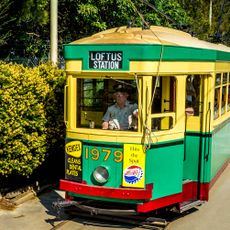
The park once had its own railway station on a branch off the Illawarra Line; the branch closed in 1991 and now runs as a heritage tramway operated by the Sydney Tramway Museum. The 30 km Coast Walk from Bundeena to Otford is often completed as part of The Duke of Edinburgh's Award.
The community of curious travelers
AroundUs brings together thousands of curated places, local tips, and hidden gems, enriched daily by 94,276 contributors worldwide.