Norfolk Island, External territory in South Pacific Ocean, Australia
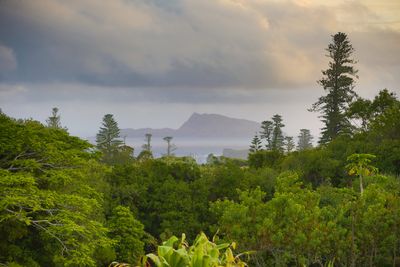
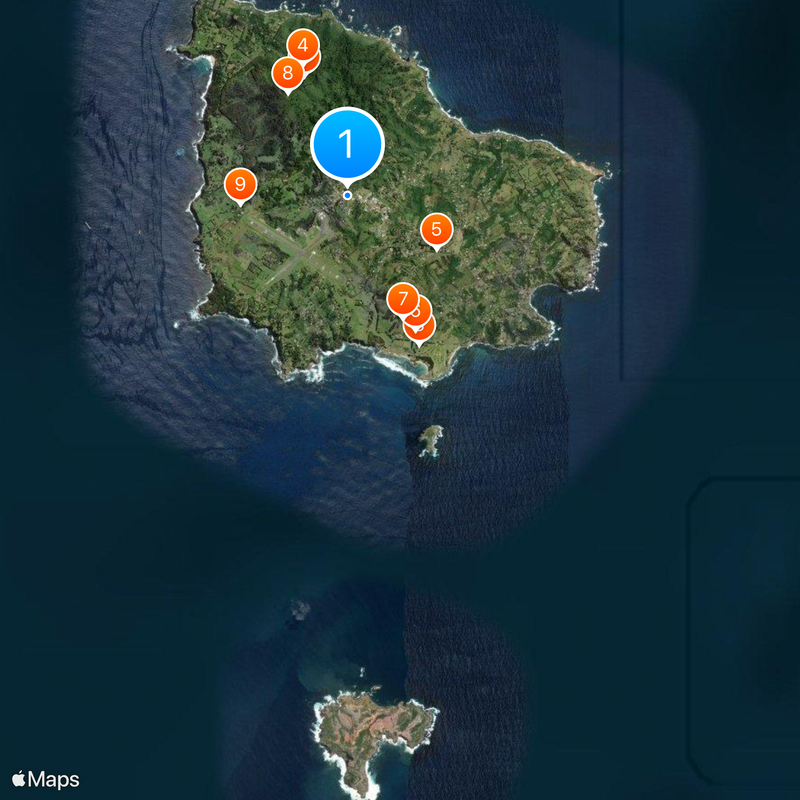
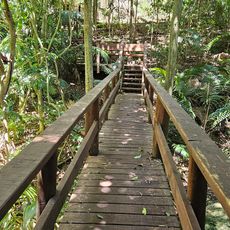
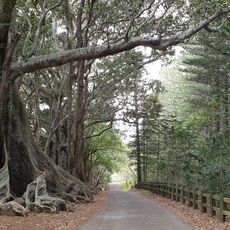
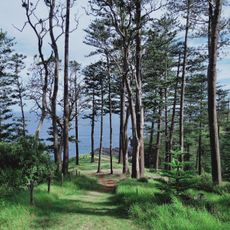
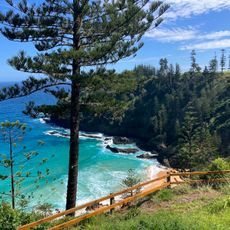
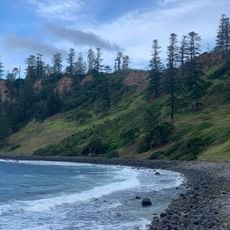
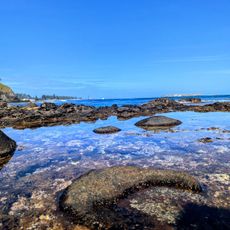
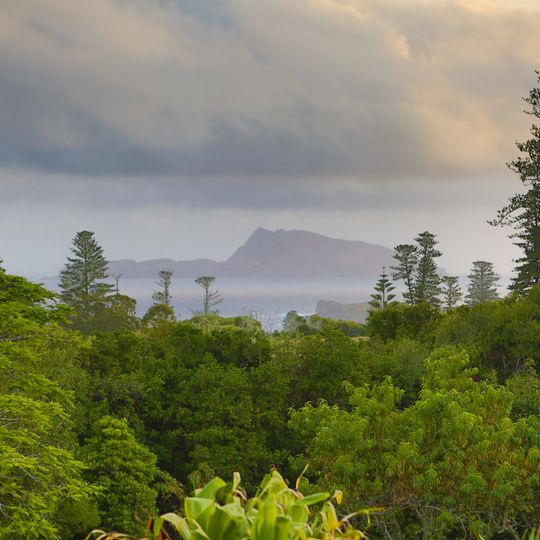
Norfolk Island is an Australian external territory in the South Pacific that covers roughly 35 square kilometers between New Caledonia and New Zealand. The main settlements are Kingston on the southern coast and Burnt Pine in the center, surrounded by pine forests and rocky shorelines with small bays.
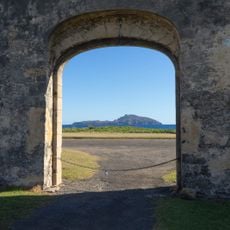
Captain James Cook reached the island in 1774 and gave it its present name. Britain used it as a penal colony from 1788 until 1855, before descendants of Bounty mutineers moved here from Pitcairn.
Descendants of Bounty mutineers live here and speak Norfuk, a blend of English and Tahitian that visitors can hear in everyday conversation. Island life follows a slow rhythm with community events, local markets and a strong sense of neighborhood that often surprises travelers.
Flights from Sydney, Brisbane and Auckland bring travelers to the island, where lodging ranges from guesthouses to larger properties. The weather is mild year-round with slightly more rain between May and August, and most roads are easy to navigate.
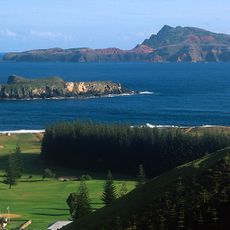
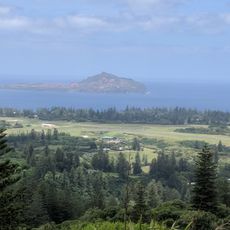
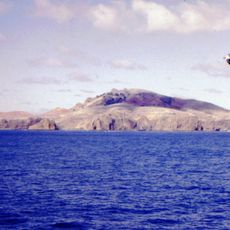
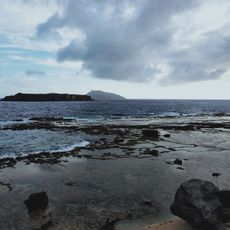
Two uninhabited islets sit nearby: Phillip Island with its bare cliffs and Nepean Island, smaller and home to seabirds. Together they form a protected ecosystem that you can see from the main shore but rarely step onto.
Location: Australia
Capital city: Kingston
Website: http://info.gov.nf
GPS coordinates: -29.03280,167.94831
Latest update: December 2, 2025 22:57
This collection encompasses the world's smallest countries and territories by land area, measured including lakes and rivers within their borders. The list features both independent sovereign states and dependent territories with varying political statuses. From Vatican City at 0.4 square kilometers to Monaco and San Marino in Europe, and island nations in the Caribbean such as Saint Kitts and Nevis, this selection demonstrates the geographic diversity of compact territories. The European microstates offer medieval fortifications, princely palaces, and modern financial districts within limited spaces. Pacific atolls like Nauru and Tuvalu present coral formations and tropical coastlines, while Caribbean islands combine volcanic mountains, rainforests, and colonial architecture. Despite their limited size, these countries and territories maintain their own governmental systems, cultures, and economic models ranging from tourism and financial services to fishing and agriculture.
Amédée lighthouse
744.7 km
Norfolk Island National Park
2.3 km
Cape Reinga Lighthouse
748.8 km
Hikurua / de Surville Cliffs
765.6 km
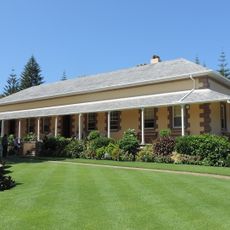
Government House
3 km
Île aux Canards
763.3 km
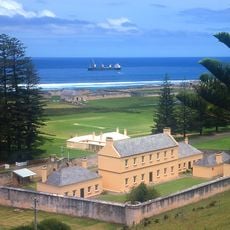
Kingston and Arthurs Vale Historic Area
2.5 km
Oro Natural Pool
719.1 km
Cape Maria van Diemen Lighthouse
750.2 km
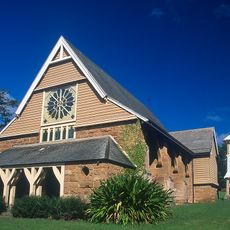
Bishop Patteson Memorial Church (St Barnabas)
2 km
Église Notre-Dame de l'Assomption de Vao
709.9 km
Grotte de la Reine Hortense
719.3 km
Église d'Ouara
744 km
Paengarēhia / Twilight Beach
755.9 km
Te Werahi Beach
750.9 km
Plage de Kuto
711.5 km
Plage de Kanuméra
711 km
Sacred Rock of Kanuméa
710.9 km
Plage du Château Royal
763.4 km
Ouen Toro Hill
763.1 km
Plage du Méridien
763.2 km
Church
709.9 km
Baie de Upi
714.3 km
Route du Cap N'Dua
751.9 km
Pénitencier de Prony
755.7 km
Plage de Carcassone
762.4 km
Grotte de la Troisième
716.7 km
Rivière de sable d'Oro
719.5 kmReviews
Visited this place? Tap the stars to rate it and share your experience / photos with the community! Try now! You can cancel it anytime.
Discover hidden gems everywhere you go!
From secret cafés to breathtaking viewpoints, skip the crowded tourist spots and find places that match your style. Our app makes it easy with voice search, smart filtering, route optimization, and insider tips from travelers worldwide. Download now for the complete mobile experience.
A unique approach to discovering new places❞
— Le Figaro
All the places worth exploring❞
— France Info
A tailor-made excursion in just a few clicks❞
— 20 Minutes