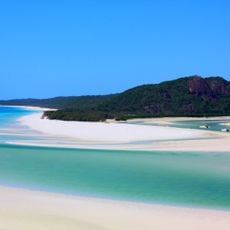
Great Barrier Reef, Coral reef system in the Coral Sea, Queensland, Australia
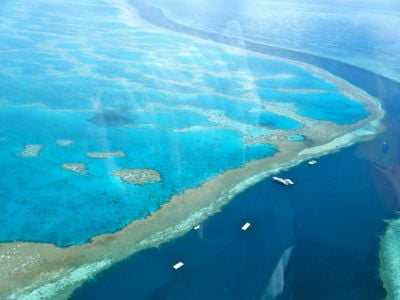
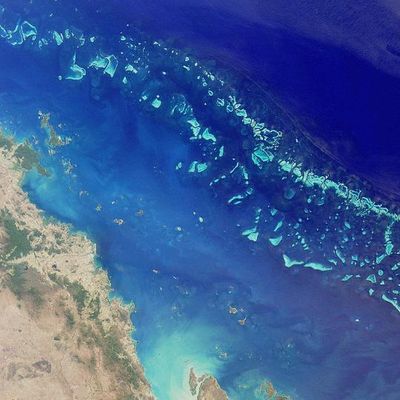
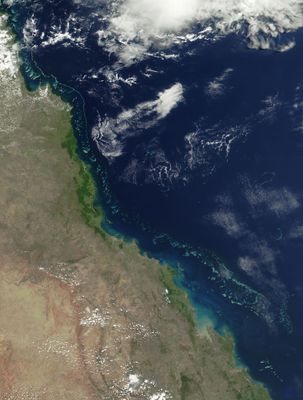
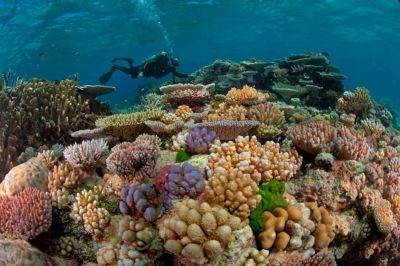
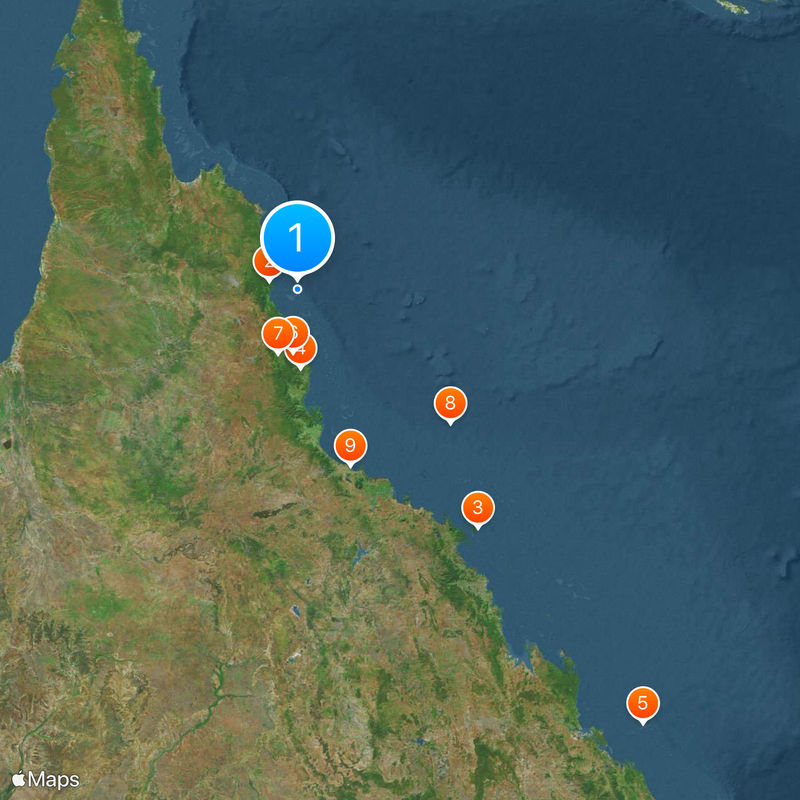
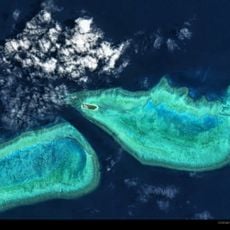
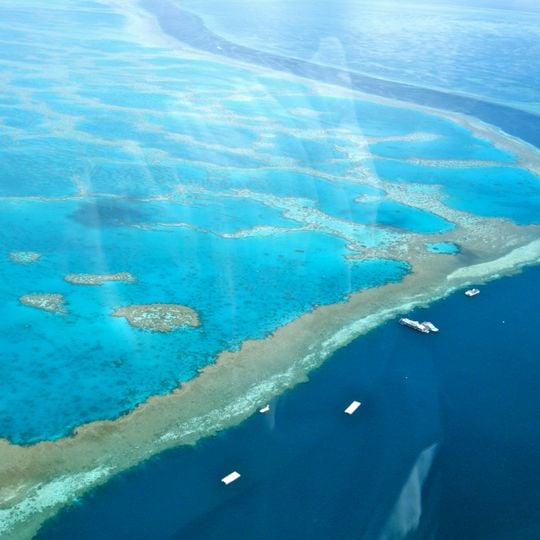
The Great Barrier Reef is a chain of more than 2,900 individual reefs and about 900 islands stretching over 2,300 kilometres along the Queensland coast in the Coral Sea. It lies 30 to 250 kilometres offshore, separated from the mainland by a lagoon 50 to 100 metres deep, and its outer edge drops toward the continental slope.
Coral colonies began forming after the last ice age when rising seas covered the continental shelf, creating suitable conditions for reef growth. European awareness grew after Captain Cook ran aground here in 1770, leading to centuries of maritime navigation charts and scientific expeditions documenting the scale of the system.
Aboriginal and Torres Strait Islander peoples maintain deep connections to the reef through traditional fishing practices, navigation paths, and creation stories that view the marine environment as a living ancestor. Coastal towns rely on reef-based tourism as the main source of employment, with many families passing down their knowledge of safe diving spots and seasonal marine life patterns from one generation to the next.
The reef lies 30 to 250 kilometres offshore, so access is by boat or helicopter from Cairns, Port Douglas, Townsville or Gladstone. The cyclone season runs from October to March, with the heaviest rain in February and March; the drier months from March to October bring clearer water. The reef is fully within the tropics.
James Cook's HMS Endeavour ran aground on a shoal south of present-day Cooktown on 11 June 1770 and needed seven weeks of repairs. Matthew Flinders gave the reef its name in 1802, using "barrier reef" for any reef that keeps a sailing vessel, or the open-sea waves, from reaching the coast.
The community of curious travelers
AroundUs brings together thousands of curated places, local tips, and hidden gems, enriched daily by 94,326 contributors worldwide.