Galilee Basin, Geological basin with coal deposits in Queensland, Australia.
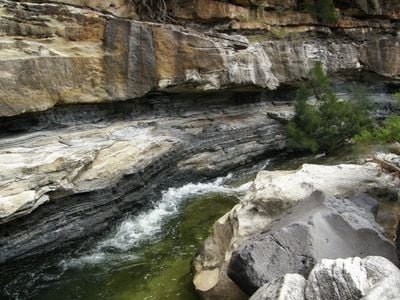
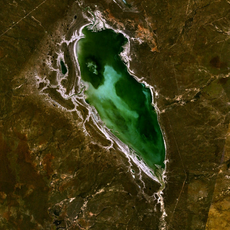
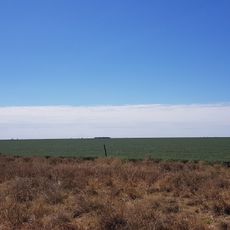
The Galilee Basin is a 247,000-square-kilometre geological basin in western Queensland, underlain by the Carboniferous Drummond Basin and overlain by the Cretaceous–Jurassic Eromanga Basin. Its Triassic and younger sediments form the basal sequence of the Great Artesian Basin. Pastoral grazing covers more than 95% of the land, and Lake Buchanan and Lake Galilee are inland wetlands.
Exploration of the coal deposits began in the early 2000s when mining companies developed large-scale projects across the region. These activities generated numerous proposals and environmental assessments that shaped how the area has developed.
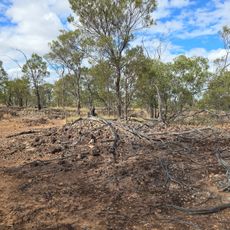
At least 12 Indigenous tribal or language groups, spread across the Eyre, Gulf, Northeast and Riverine language regions, hold ties to the basin, and native title claims cover large portions of it alongside several Indigenous Land Use Agreements. Pastoral grazing occupies more than 95% of the land, and the 2011 census counted fewer than 20,000 residents, under 12 people per square kilometre.
Summer temperatures often exceed 35°C (95°F), while winter nights range from 5 to 12°C (41-54°F) and affect how visitors plan their time. Anyone exploring the region should prepare for extreme conditions and carry plenty of water.
The Galilee Basin's Triassic and younger sediments form the basal sequence of the Great Artesian Basin drainage basin, linking it underground to a system that extends far beyond Queensland. Lake Buchanan and Lake Galilee, both within the basin, are classified as inland wetlands; Lake Galilee is listed as both a seasonal saline lake and a seasonal freshwater pond and marsh.
The community of curious travelers
AroundUs brings together thousands of curated places, local tips, and hidden gems, enriched daily by 94,362 contributors worldwide.