Heron Island, Coral cay in the southern Great Barrier Reef, Queensland, Australia
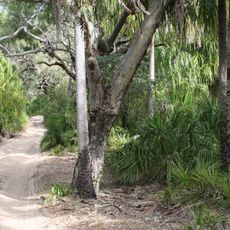
Heron Island is a coral cay on the western side of Heron Reef, a fringing platform reef in the southern Great Barrier Reef. It measures about 800 metres long and 300 metres wide, rising to 3.6 metres near its western tip. Dense Pisonia grandis forest covers the centre and south, while a resort and a research station occupy the north-west and south-west quarters.
The island was discovered in 1843 by a Royal Navy expedition led by Captain Francis Blackwood. It became a National Park in 1943, securing its status as a protected area for its coral ecosystems.
A research station run by the University of Queensland operates on the island, where scientists work to understand and protect coral reef ecosystems. Visitors can observe this scientific work and learn how the island plays a role in marine conservation efforts.
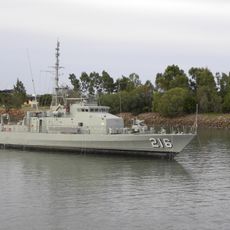
A small artificial channel and wooden jetty on the western shore receive the daily catamaran from Gladstone and the island's supplies. The rusted wreck of HMCS Protector, towed there in 1945 as a breakwater, lies at the channel entrance. There is no fresh water on the island; a reverse-osmosis desalination plant supplies drinking water, and diesel generators with some solar panels provide electricity.
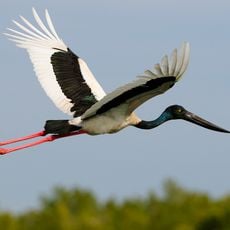
Over 200,000 seabirds nest on the island during summer months, while green sea turtles come ashore between November and March to lay eggs. This seasonal gathering creates one of the reef's most active wildlife moments.
The community of curious travelers
AroundUs brings together thousands of curated places, local tips, and hidden gems, enriched daily by 93,451 contributors worldwide.