See the monuments around you in AROpen chests in the app
Around Us is built for your phone — point your camera at the streets and discover the monuments and places around you in augmented reality.Around Us is built for your phone — chests unlock when you walk, explore and capture nearby places.
Queensland offers a range of historical sites, natural landscapes, and cultural attractions spread throughout the region. Visitors can explore shipwrecks, volcanic zones, and cave systems that tell the story of the area's past and geology. A Chinese temple, extensive rainforests, and protected natural areas showcase the cultural and natural diversity of Queensland. The wreck of the SS Maheno on Fraser Island, the volcanic terrain of Undara, and the Capricorn Caves are examples of places where you can experience these different landscapes. Whether walking beneath tree canopies, visiting old military structures, or exploring caves with glowing insects, Queensland offers something for different interests. The combination of historic buildings, natural formations, and local attractions makes the region worth visiting for those who appreciate history and nature.
Queensland offers a range of historical sites, natural landscapes, and cultural attractions spread throughout the region. Visitors can explore shipwrecks, volcanic zones, and cave systems that tell the story of the area's past and geology. A Chinese temple, extensive rainforests, and protected natural areas showcase the cultural and natural diversity of Queensland. The wreck of the SS Maheno on Fraser Island, the volcanic terrain of Undara, and the Capricorn Caves are examples of places where you can experience these different landscapes. Whether walking beneath tree canopies, visiting old military structures, or exploring caves with glowing insects, Queensland offers something for different interests. The combination of historic buildings, natural formations, and local attractions makes the region worth visiting for those who appreciate history and nature.
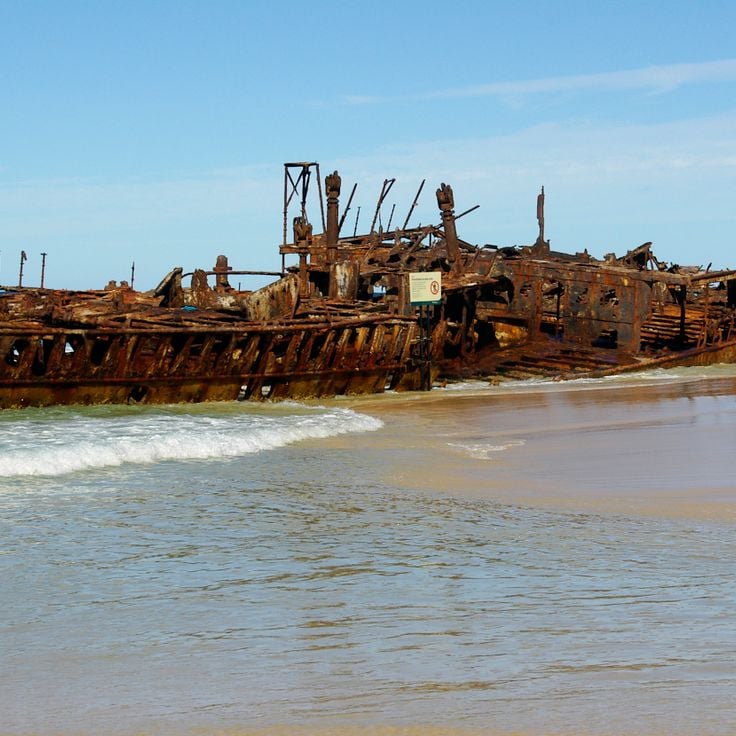
The SS Maheno is a passenger vessel stranded on Fraser Island in 1935. Built in New Zealand, this ship served as a hospital ship during World War I. Today it rests on the shore, marking a chapter in Queensland's maritime history alongside other historical shipwrecks, volcanic landscapes, and cave systems found throughout the region.
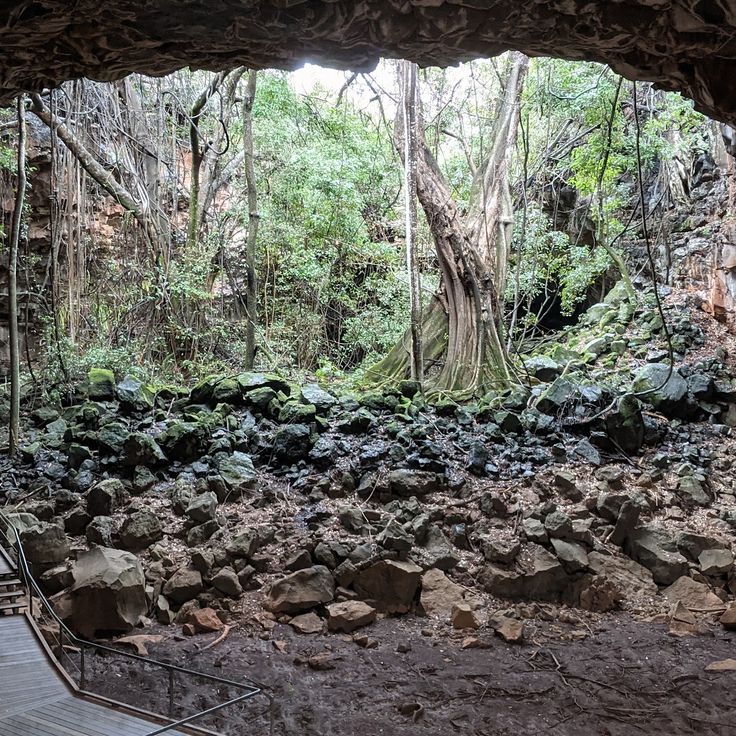
Undara Volcanic National Park in Etheridge Shire displays Queensland's volcanic past. The park contains tubes formed by lava flows roughly 190,000 years ago, which now shelter bat colonies. These natural formations represent part of Queensland's diverse landscape, alongside historical shipwrecks, rainforests, and other cave systems found throughout the region.
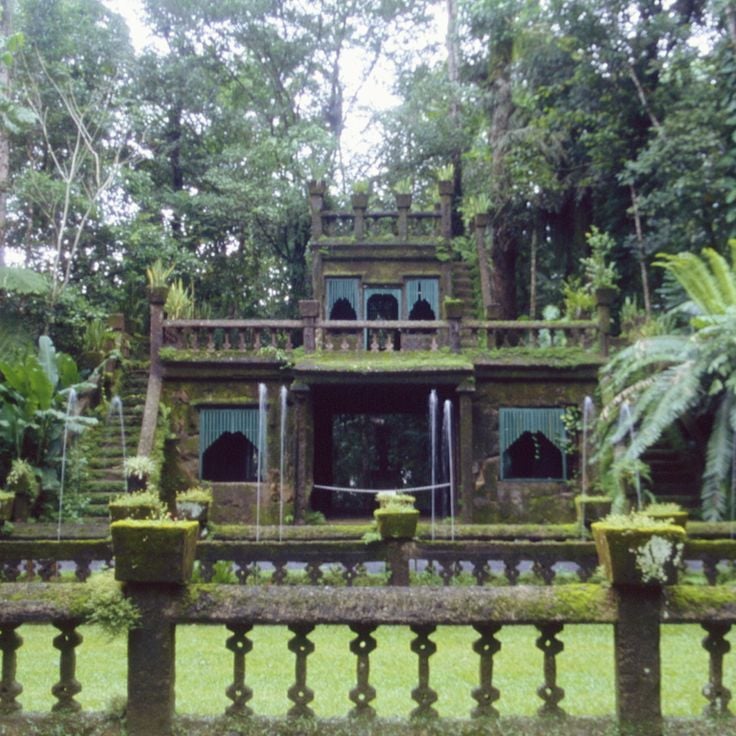
Paronella Park is a site in Mena Creek featuring a 1930s Spanish-style castle, gardens, and a hydroelectric power plant positioned next to a waterfall. The park represents one of Queensland's notable locations, alongside historical shipwrecks, volcanic landscapes, and cave systems found throughout the region.
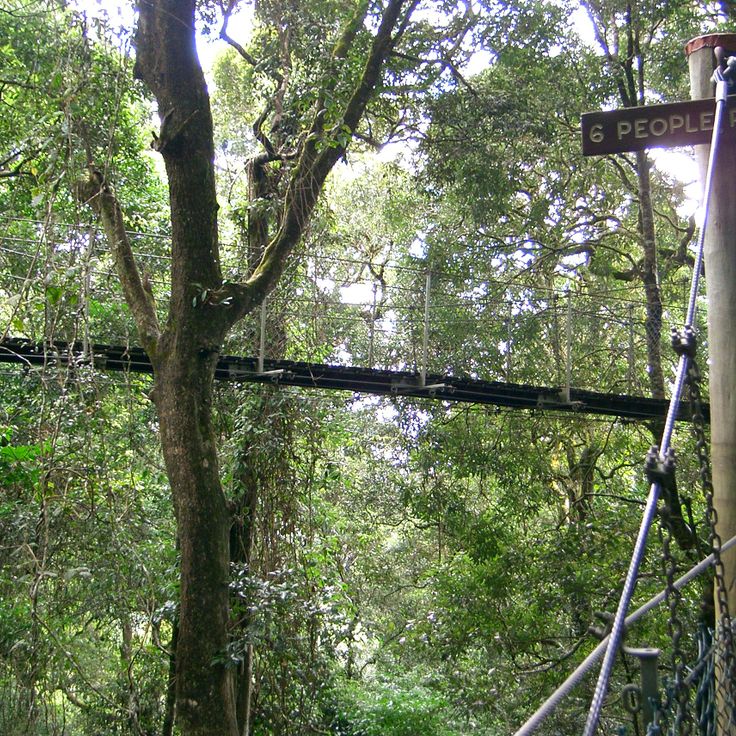
The Tree Top Walk is an elevated walkway through the rainforest canopy at Lamington National Park in the Gold Coast Hinterland. The walkway stretches 180 meters at a height of 30 meters (98 feet), allowing visitors to move among the treetops and observe wildlife and plants from a different perspective. This site is part of Queensland's collection of notable locations, which features historical shipwrecks, volcanic landscapes, and cave systems.
The Glow Worm Caves are limestone caves that fit within Queensland's collection of notable locations alongside volcanic landscapes, shipwrecks, and other cave systems. These caves house thousands of larvae that produce bioluminescent light in darkness to attract prey.
Carnarvon Gorge is a 30-kilometer canyon with sandstone cliffs and Aboriginal rock paintings dating back over 3500 years. This site represents one of Queensland's notable locations, standing alongside historical shipwrecks, volcanic landscapes, and cave systems that together tell the story of the region's past.
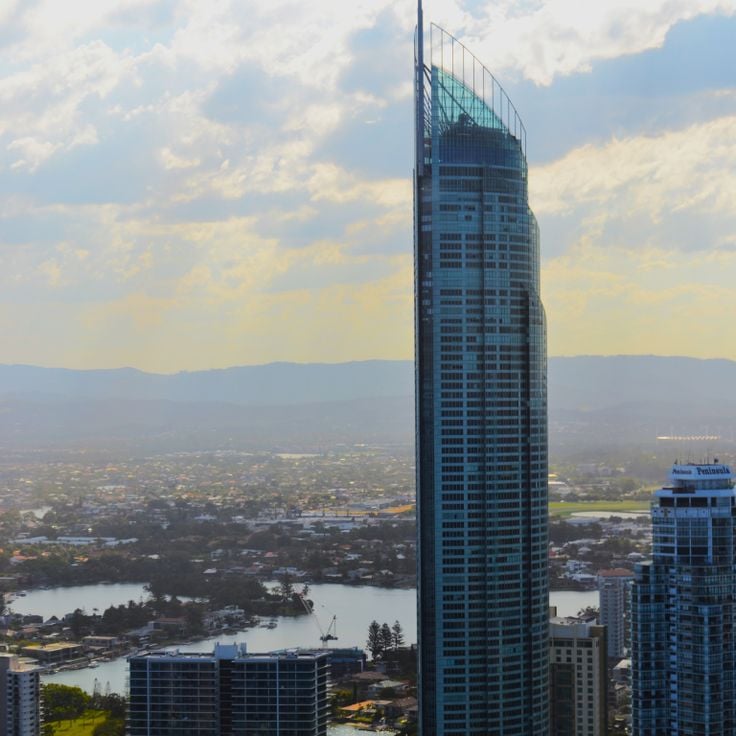
The Q1 Tower is a 322.5-meter tall skyscraper at Gold Coast. With its observation deck on the 77th floor and restaurants, this tower stands among the notable structures of Queensland, a region that also holds historical shipwrecks, volcanic landscapes, and cave systems.
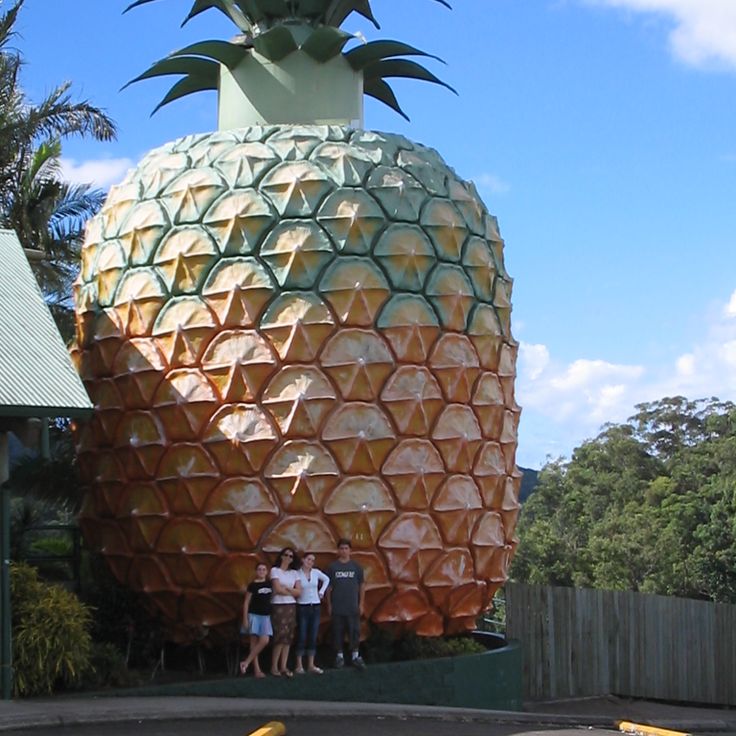
The Big Pineapple on the Sunshine Coast is a 16-meter tall fiberglass structure built in 1971 to honor local pineapple farming. This landmark reflects how important the fruit was to the region's economy and way of life. It stands among Queensland's varied historical sites, which also include shipwrecks, volcanic areas, and cave systems.
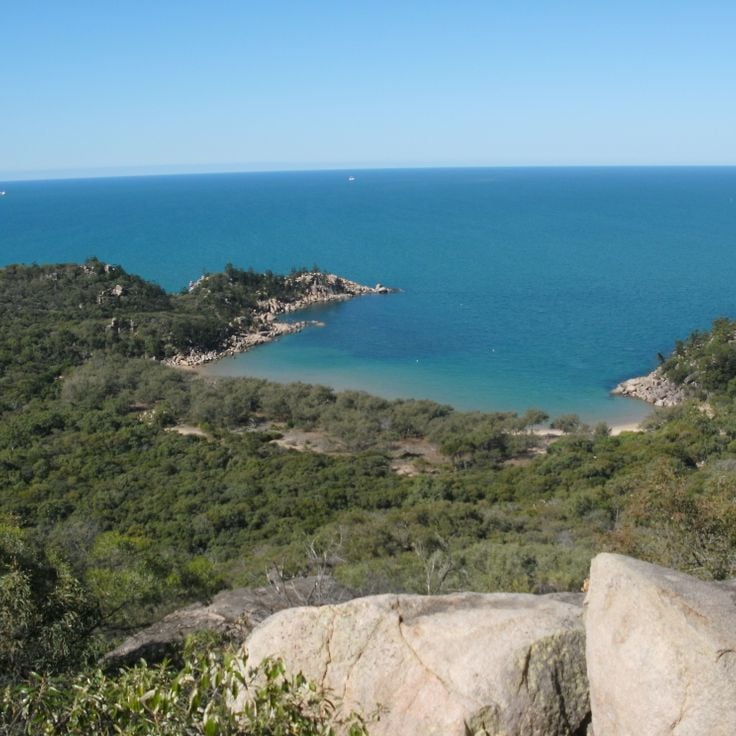
The Magnetic Island Forts Walk is a 4-kilometer path on Magnetic Island that leads to World War II military installations. This walk is part of Queensland's historical sites, where shipwrecks, volcanic landscapes, and cave systems stand alongside rainforests and nature parks. As you walk the trail, views of the Coral Sea open up, offering a direct connection to the region's past.
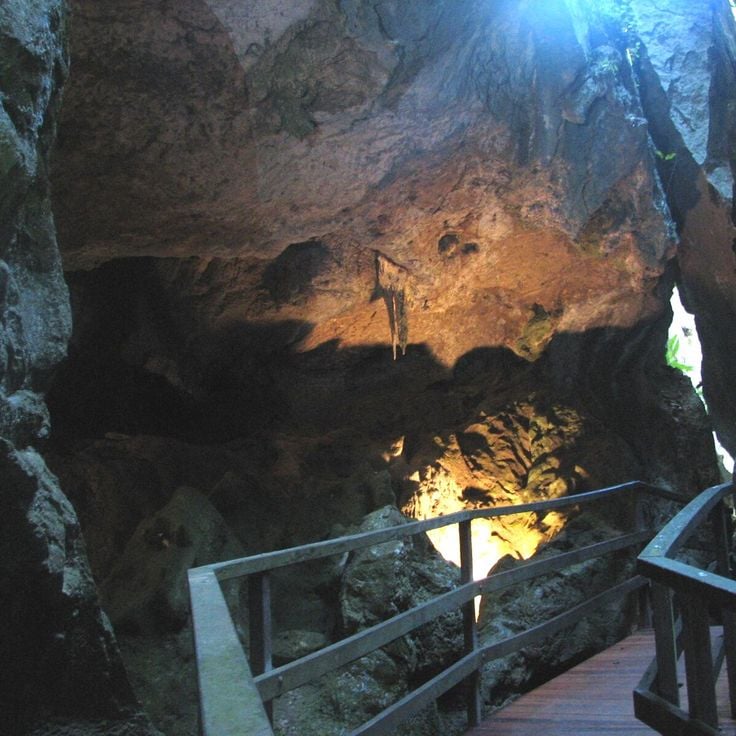
Capricorn Caves are limestone caves spanning 14 hectares and form part of Queensland's notable locations. These caves contain underground formations, fossils, and a bat colony. They demonstrate the geological diversity of a region that also features historical shipwrecks, volcanic landscapes, and cave systems.
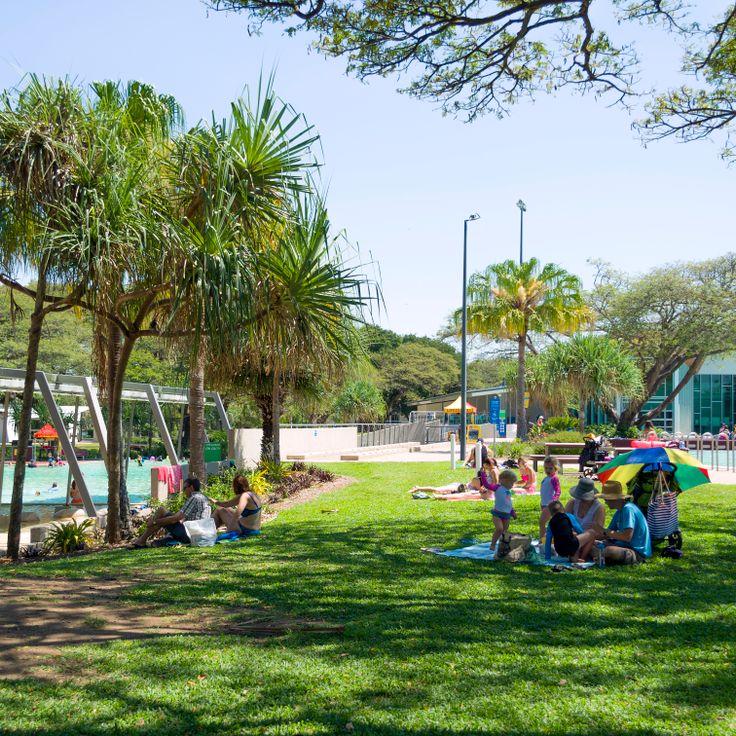
The Riverway Lagoons are a public park in Townsville as part of Queensland's notable locations. Situated along the Ross River, this park features two swimming pools, walking paths, and picnic tables. Visitors can swim, walk through the grounds, or enjoy a meal outdoors. The park blends recreation with the river setting.
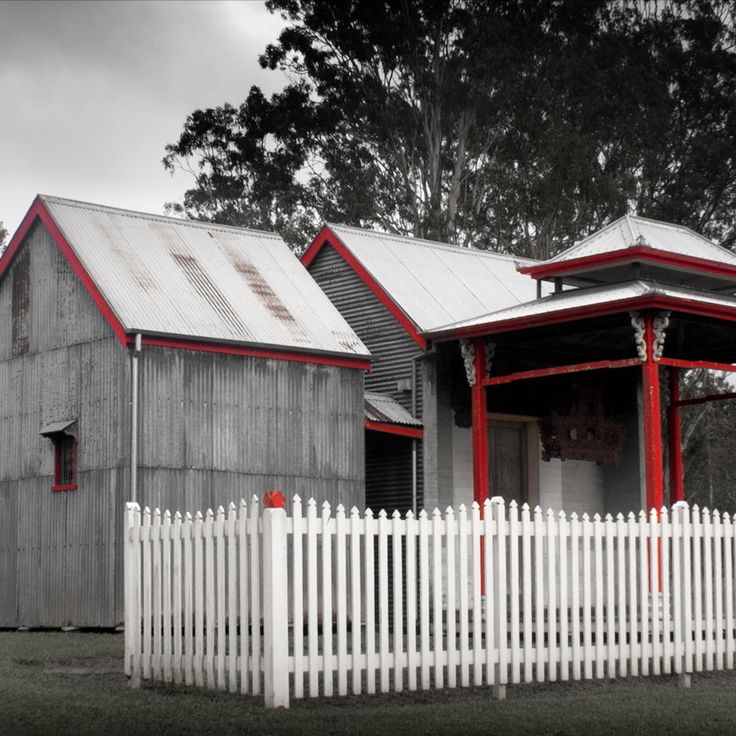
This temple is part of Queensland's historical locations and showcases Chinese architecture from the early 1900s. The Hou Wang Temple was built in 1903 and preserves Qing Dynasty features with traditional woodcarvings and altars. Visitors can experience the craftsmanship and spiritual importance of this worship site, which reflects the history of Chinese communities in Australia.
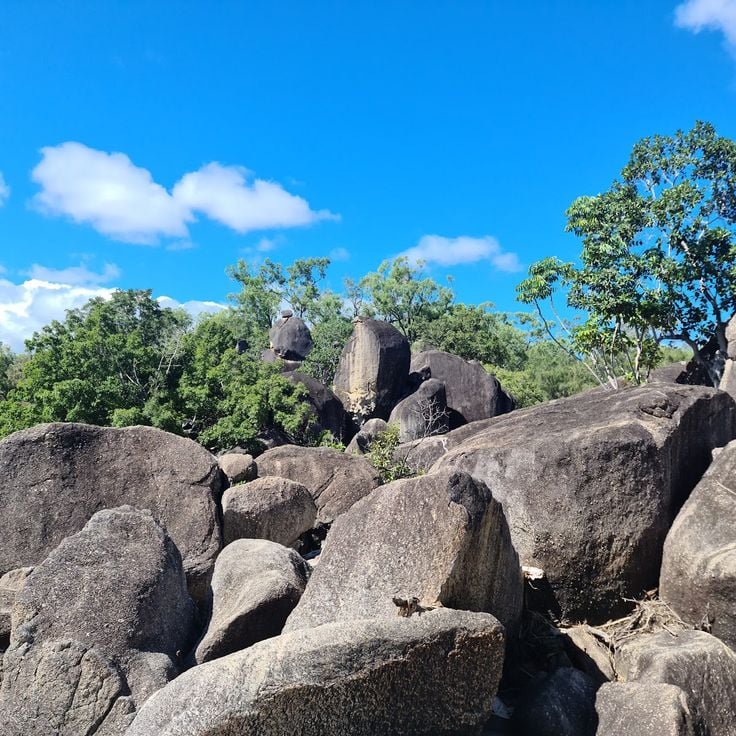
Granite Gorge Nature Park is part of Queensland's collection of notable locations, which range from historical shipwrecks to volcanic landscapes and cave systems. This park hosts a population of Mareeba wallabies among large granite formations. A network of walking tracks crosses the grounds, allowing visitors to explore both wildlife and rock formations.
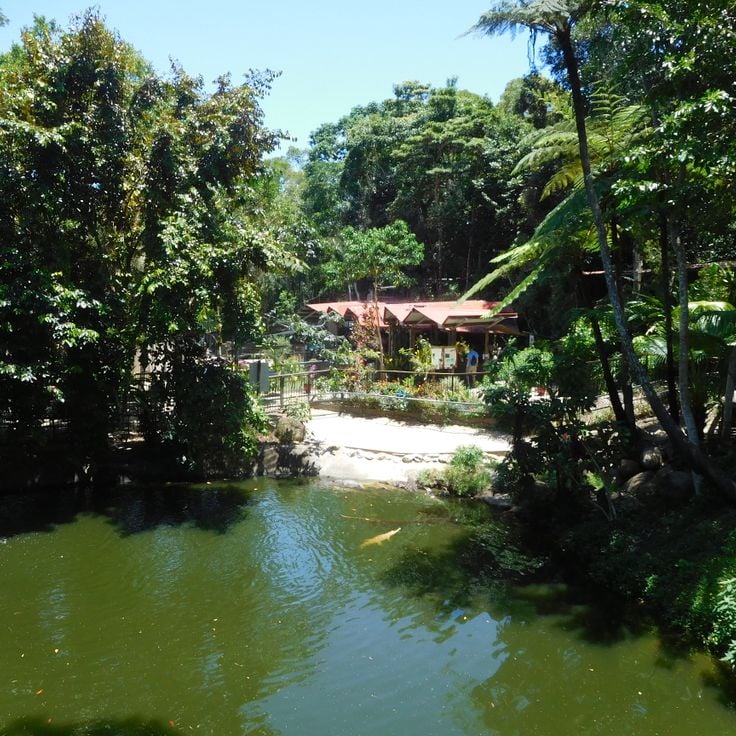
Kuranda Koala Gardens is a wildlife sanctuary that fits into Queensland's rich landscape of natural wonders and historical sites. This facility has a dedicated koala habitat where visitors can watch these animals up close. The gardens provide educational programs that teach people about Australian wildlife and the importance of protecting natural spaces.
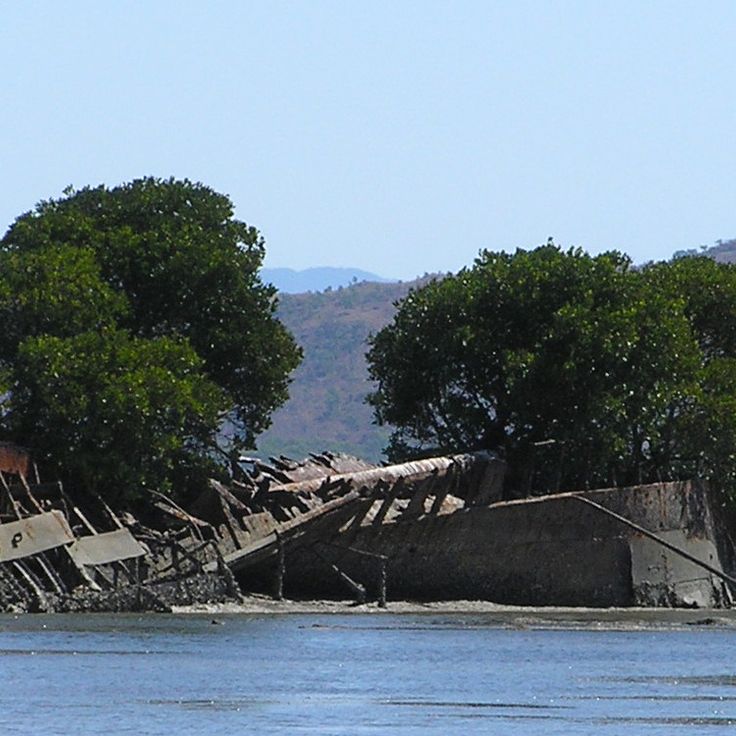
The SS City of Adelaide Shipwreck on Magnetic Island is an iron hull vessel from 1863 and represents one of Queensland's historical shipwrecks. The remains sit partially above water, offering a glimpse into the maritime history of the region. This wreck stands as a tangible reminder of the seafaring past along this coast.
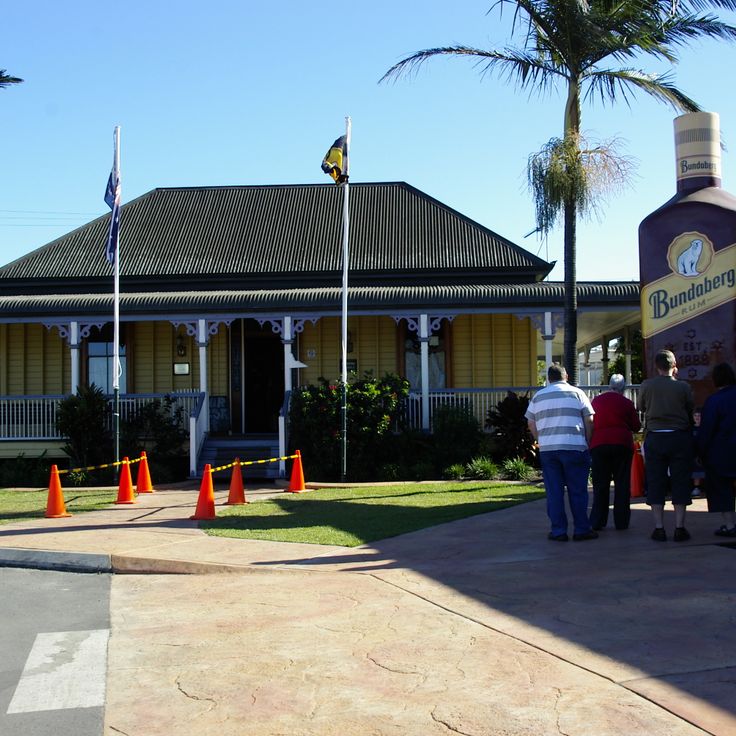
The Bundaberg Rum Distillery is among Queensland's notable locations, representing over 130 years of rum production. This distillery offers visitors a chance to walk through the production process and taste the spirits made here. It shows how craft and local ingredients have shaped the story of this Australian region.
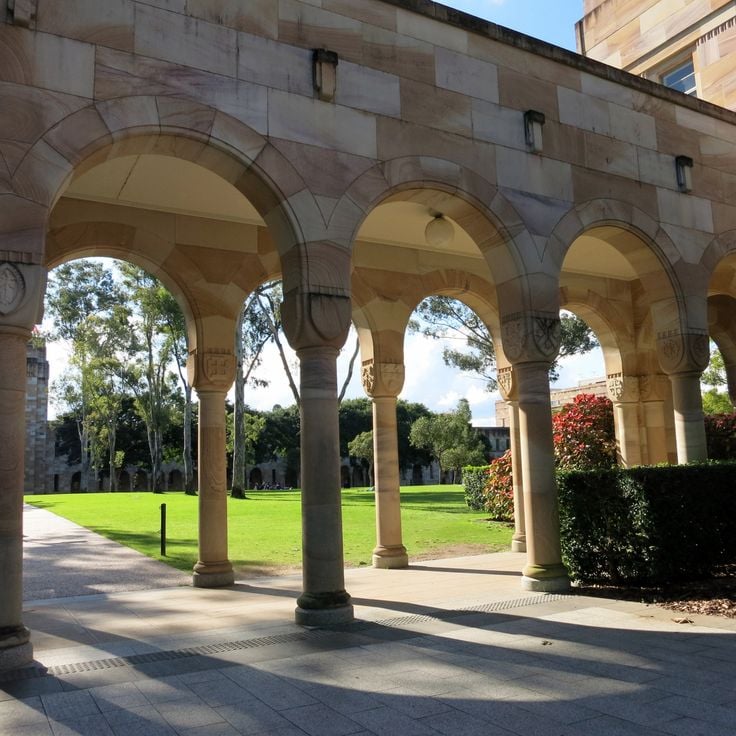
The Great Court is the central square of the University of Queensland in Brisbane. The courtyard is surrounded by sandstone buildings and features sculptures from the 1930s and 1940s that depict historical figures. These sculptures are part of Queensland's collection of sites that showcase history and architecture. The space functions as a gathering place for students and visitors, offering a sense of the university's academic tradition.
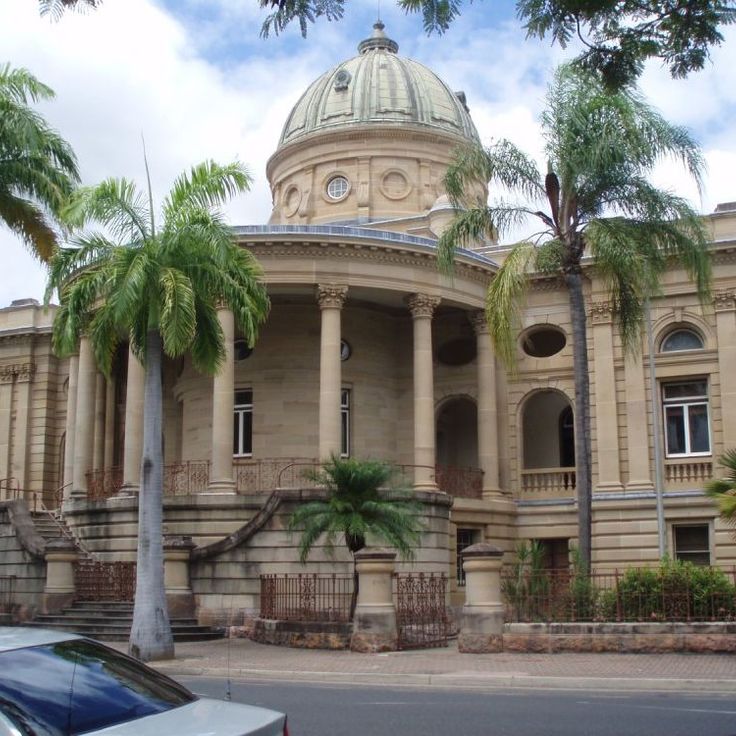
The Customs House in Rockhampton is a Victorian building from 1901 with columns and ornamental details that once served as a customs clearance point. It stands among Queensland's historical sites, a region known for shipwrecks, volcanic landscapes, and cave systems. The building reflects the architectural style of the colonial era and represents the economic importance of this port town.
The Daintree Discovery Centre in Cow Bay is part of Queensland's notable locations, which include historical shipwrecks, volcanic landscapes, and cave systems. This center features a 23-meter observation tower and platforms designed for watching rainforest plants and animals. From above, visitors can look into the forest canopy and observe wildlife in their natural environment.
The Great Barrier Reef Marine Park is one of the world's largest coral reef systems, stretching along the coast of Queensland. This marine sanctuary protects an incredible variety of sea life, from colorful corals to fish, sea turtles, and sharks. Visitors can snorkel or dive to experience the underwater world firsthand. The clear waters allow you to observe the vibrant coral formations and the animals that live among them. The reef is not just a natural wonder but also a vital habitat for thousands of marine species.
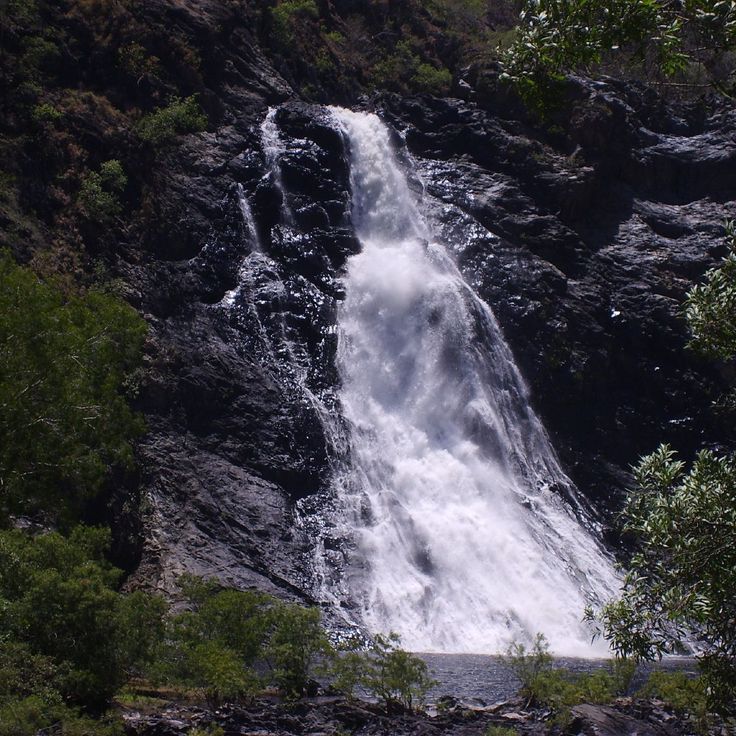
Bloomfield Falls is located in Daintree National Park and shows the natural beauty of tropical northern Queensland. This waterfall is part of the diverse landscapes that define the region. Visitors can experience the power of flowing water and explore the rainforest surroundings that are typical of this area.
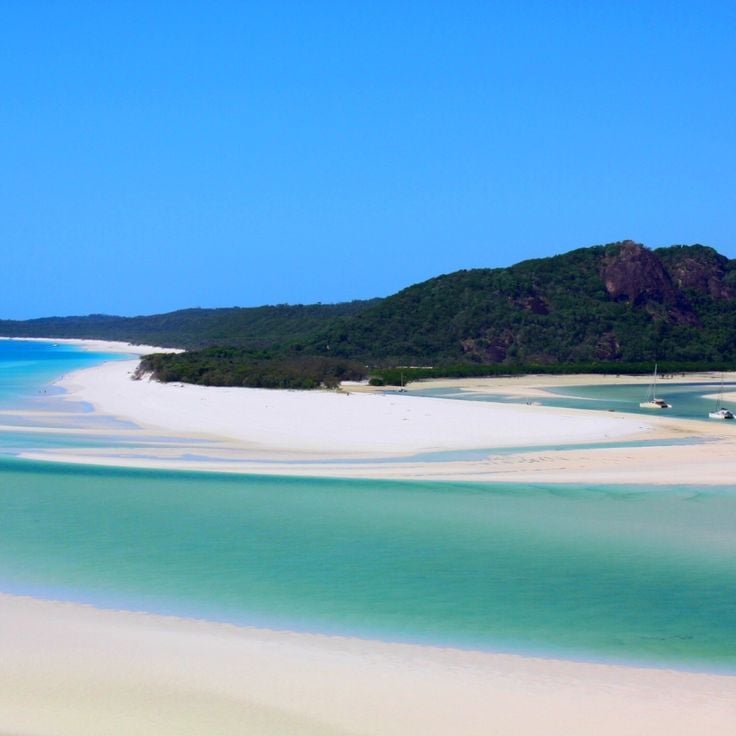
Whitehaven Beach sits on Whitsunday Island and represents the natural landscapes that define Queensland. With its white sand and clear water, this beach offers a place to relax and explore. It shows the diverse nature that shapes the region, from beaches to protected areas. Visitors can swim, walk along the shore, or enjoy the coastal scenery. This beach is part of Queensland's larger story, where nature and history come together.
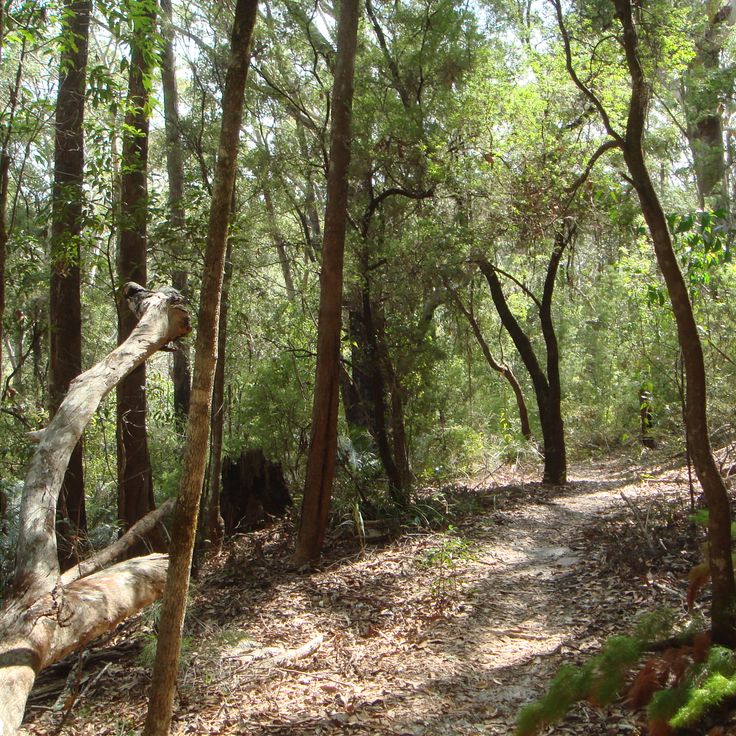
The K'gari Great Walk is a walking track on Fraser Island in Queensland. This path takes you through the island's varied landscapes, where you can discover sand beaches, freshwater lakes, and forested areas. The trail connects different environments and reveals the region's history with each step. Along the way, you may encounter the famous SS Maheno shipwreck and see the geological formations that shaped Fraser Island. The K'gari Great Walk offers hikers a chance to experience Queensland's natural diversity on foot.
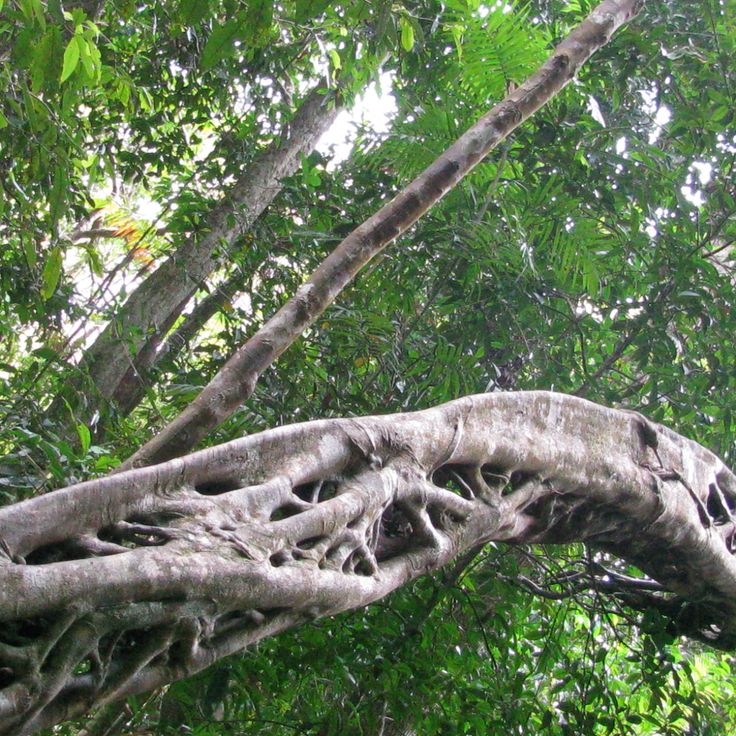
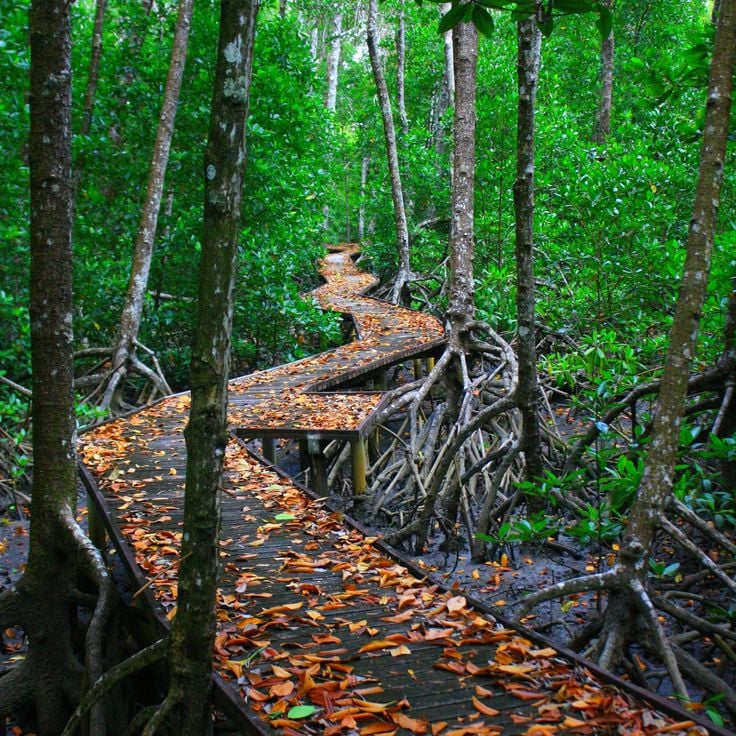
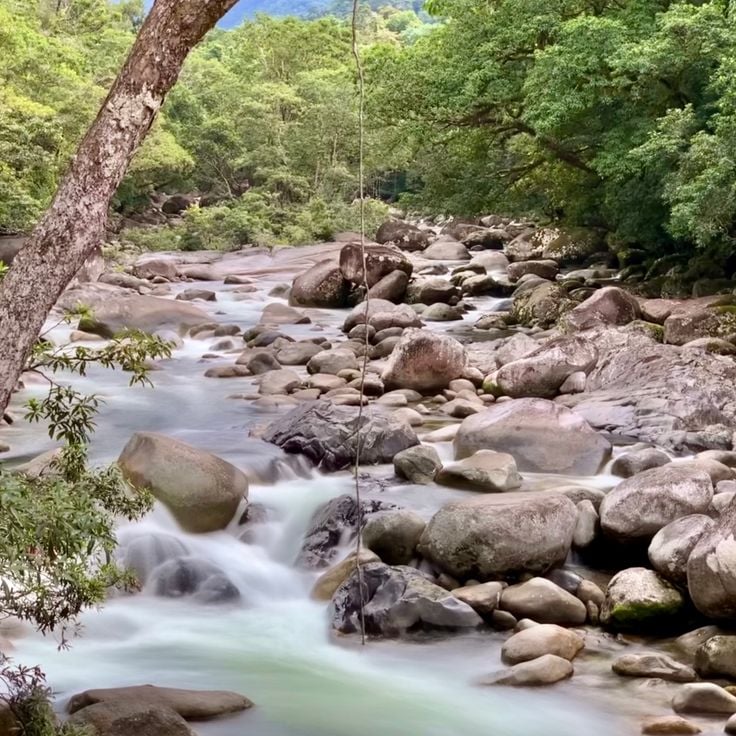
Mossman Gorge in Queensland brings together tropical nature and human settlement in one location. The gorge demonstrates the landscape variety that defines Queensland. Visitors can walk beneath the tree canopy and experience the geological history of the region. This place fits within Queensland's range of attractions that combine history and nature for different interests.
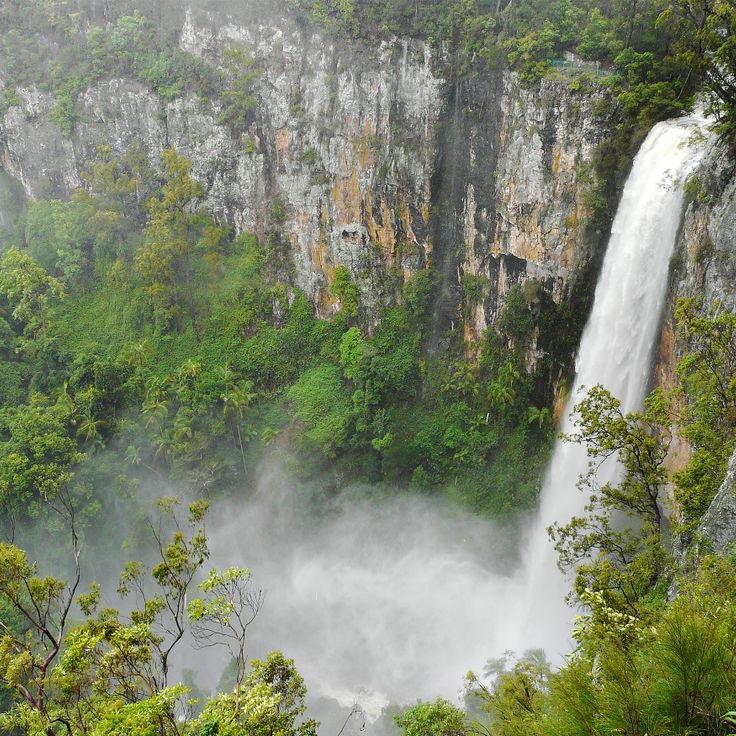
Purlingbrook Falls is a waterfall located in Springbrook National Park in Australia. Water drops approximately 100 feet (30 meters) creating a natural display of power and movement. The site sits within rainforests that represent an important part of Queensland's natural variety. Visitors can walk on trails through the vegetation and experience both the force of the waterfall and the surrounding landscape. The waterfall is readily accessible and draws people who wish to explore nature and geological formations.
Lone Pine Koala Sanctuary is a wildlife refuge near Brisbane that gives visitors the chance to see Australian animals up close. The sanctuary displays various species native to Australia and works to help protect these animals. Visitors walk through the grounds and observe the wildlife in settings that resemble their natural homes. This sanctuary fits into Queensland's range of attractions that combine nature and wildlife conservation.
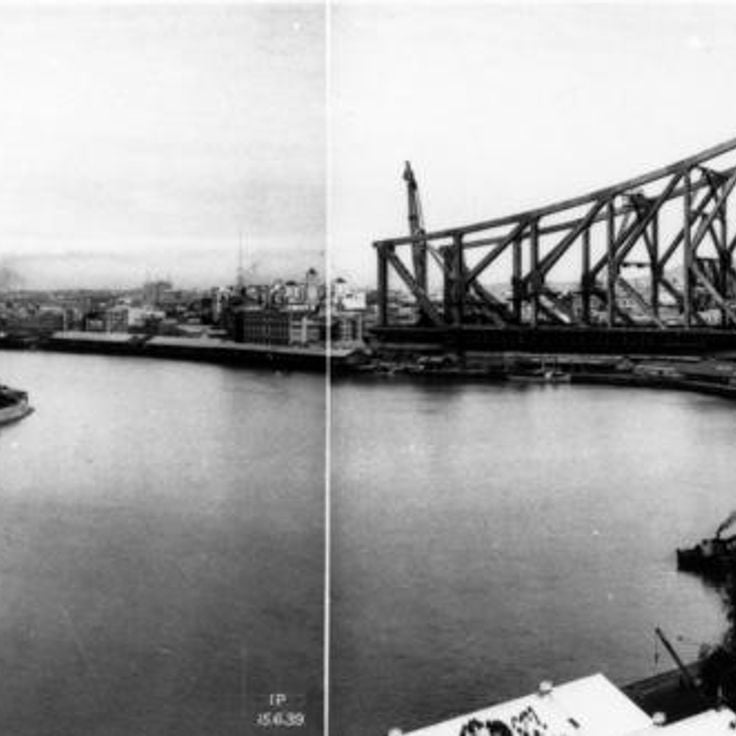
The Story Bridge is a steel cantilever bridge that spans the Brisbane River in Brisbane. Built in the 1930s, it serves as a major transportation link across the river, connecting the northern and southern parts of the city. The bridge's distinctive steel structure has made it a recognizable landmark. Visitors can walk across the bridge or take guided tours that provide views of the river and explain the bridge's construction and history.
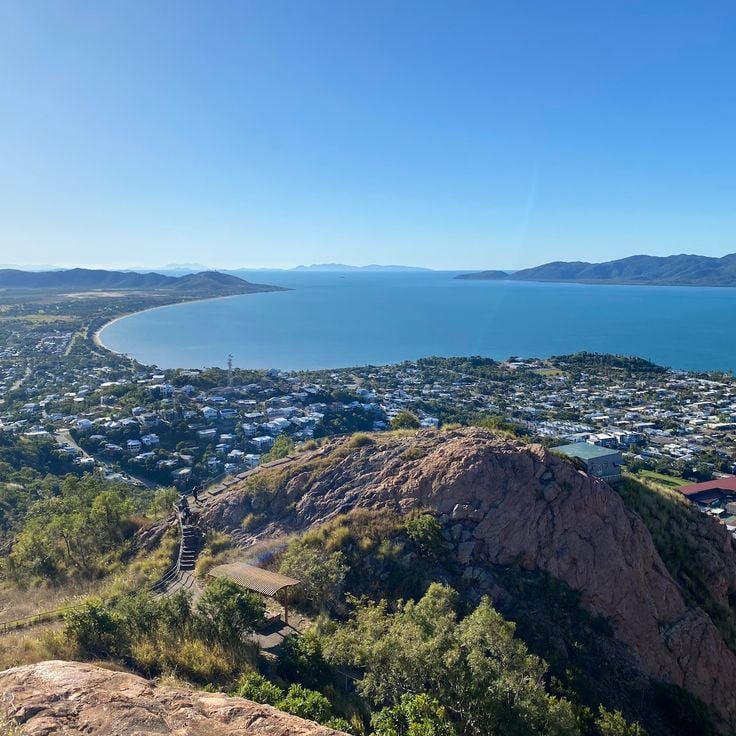
Castle Hill Lookout is a vantage point in Queensland where you can take in views of the surrounding landscape. From here, visitors can see the natural features that shape the region's character and understand its geological story. This spot fits well within Queensland's range of destinations, where you can find shipwrecks, volcanic terrain, cave systems, and tropical forests. Castle Hill Lookout invites you to experience the natural diversity that defines this part of Australia.
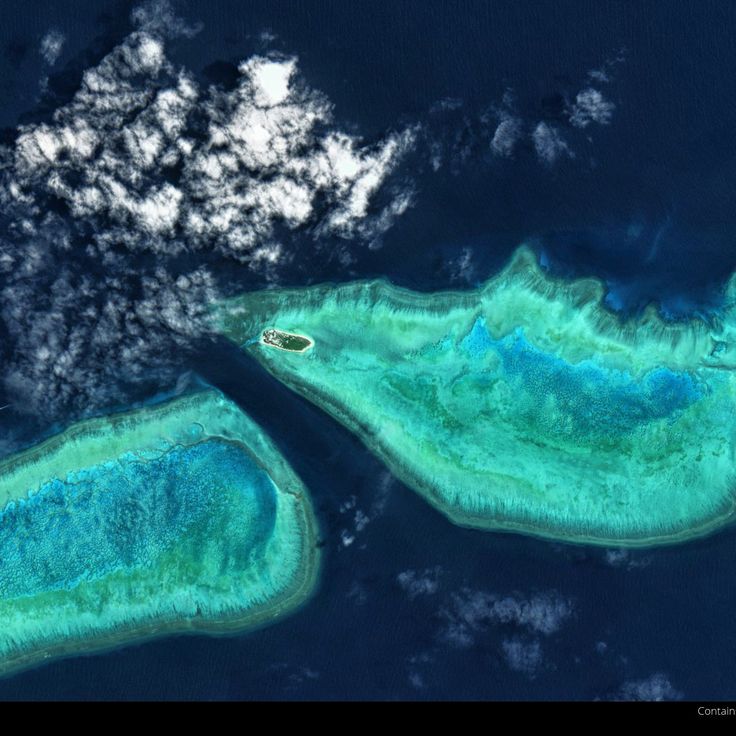
Heron Island is a small coral cay off the coast of Queensland that sits right on the Great Barrier Reef. The island is a protected nature reserve and draws visitors who want to see marine life, snorkel, and dive. The waters around it teem with colorful fish, sea turtles, and other sea creatures. The island itself is vegetated and home to a research station. Birds nest here in large numbers, especially during breeding season. It is a place where you can experience the reef's diversity up close, far from the bustle of coastal cities.
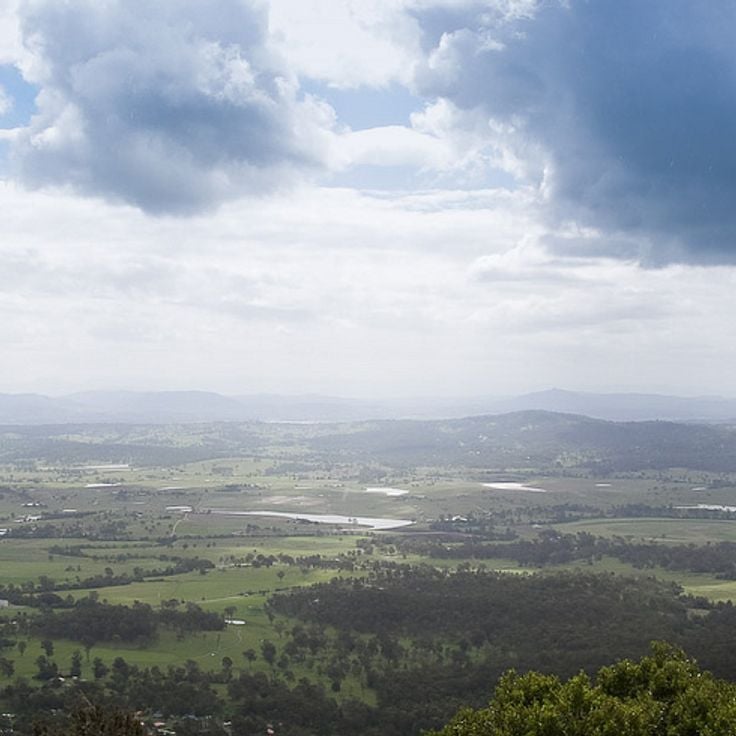
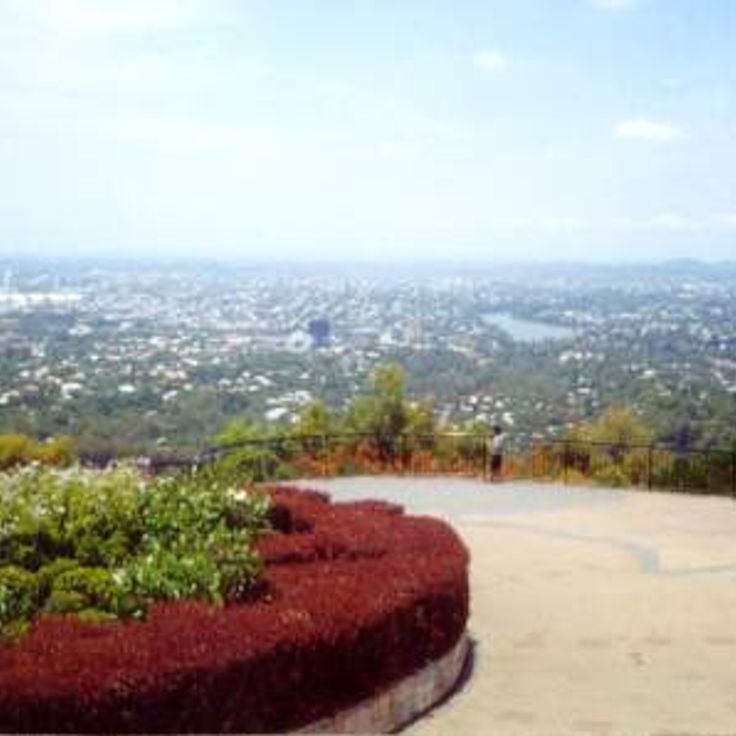
Mount Coot-tha Lookout offers sweeping views across Brisbane and the surrounding landscape. From this elevated point, you can see the city, rivers, and green spaces spread out below. The location is a popular starting point for walks and draws visitors who want to experience the natural surroundings and the city views. This viewpoint shows how Brisbane's urban character sits alongside Queensland's natural environment.
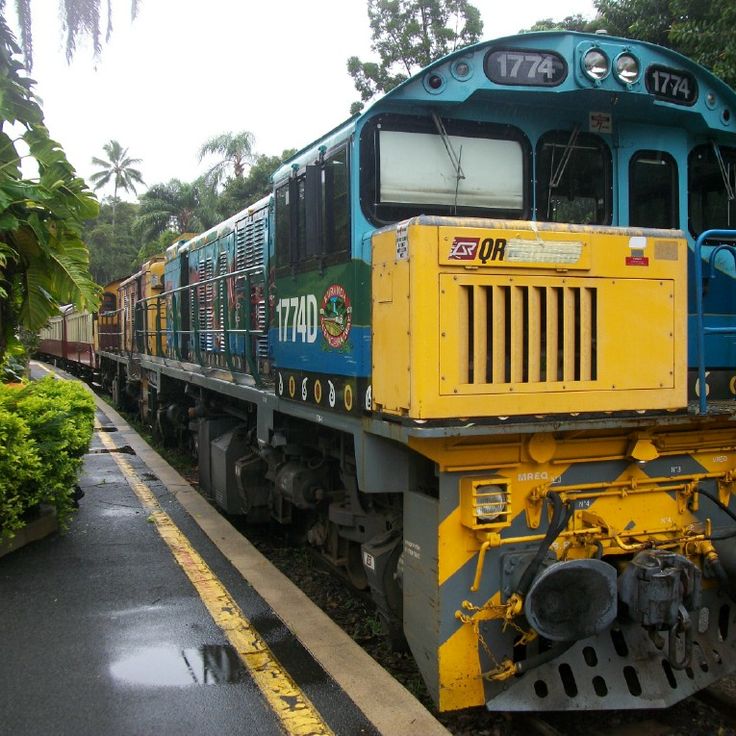
The Kuranda Scenic Railway is a railway line in Queensland that takes passengers through the landscape of the region. The line connects different locations and offers travelers the chance to experience nature and history from the train. This railway is part of Queensland's diverse range of historical attractions and natural sites that appeal to different interests.
Cobbold Gorge Village in Queensland provides access to an impressive gorge with waterfalls and natural pools. The site serves as a gateway for visitors interested in exploring the geological formations and natural landscapes of the region. The village functions as a starting point for walks through the gorge, where travelers can experience rock formations, streams, and local vegetation. It is one of many natural locations in Queensland that showcase the geological diversity of the area.
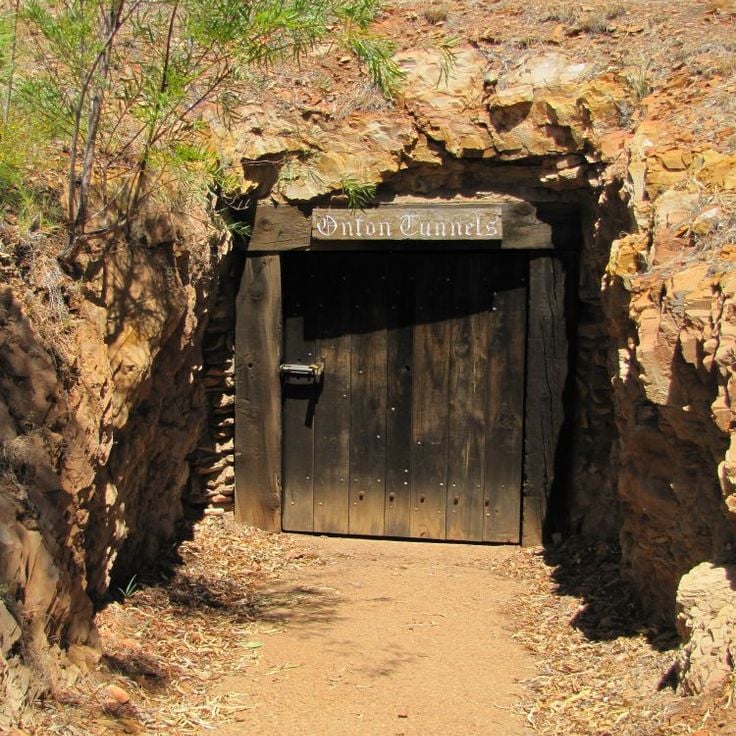
The Underground Hospital in Mount Isa is a historic medical facility built beneath the earth. It was constructed during World War II to protect patients from air attacks. This building shows how people in this region lived during the war and how they adapted to difficult times. The place tells the story of medical care and daily life in a remote Australian mining town. Today, visitors can explore the underground rooms and learn more about the region's past.
The SS Maheno is a passenger vessel stranded on Fraser Island in 1935. Built in New Zealand, this ship served as a hospital ship during World War I. Today it rests on the shore, marking a chapter in Queensland's maritime history alongside other historical shipwrecks, volcanic landscapes, and cave systems found throughout the region.
Undara Volcanic National Park in Etheridge Shire displays Queensland's volcanic past. The park contains tubes formed by lava flows roughly 190,000 years ago, which now shelter bat colonies. These natural formations represent part of Queensland's diverse landscape, alongside historical shipwrecks, rainforests, and other cave systems found throughout the region.
Paronella Park is a site in Mena Creek featuring a 1930s Spanish-style castle, gardens, and a hydroelectric power plant positioned next to a waterfall. The park represents one of Queensland's notable locations, alongside historical shipwrecks, volcanic landscapes, and cave systems found throughout the region.
The Tree Top Walk is an elevated walkway through the rainforest canopy at Lamington National Park in the Gold Coast Hinterland. The walkway stretches 180 meters at a height of 30 meters (98 feet), allowing visitors to move among the treetops and observe wildlife and plants from a different perspective. This site is part of Queensland's collection of notable locations, which features historical shipwrecks, volcanic landscapes, and cave systems.
The Glow Worm Caves are limestone caves that fit within Queensland's collection of notable locations alongside volcanic landscapes, shipwrecks, and other cave systems. These caves house thousands of larvae that produce bioluminescent light in darkness to attract prey.
Carnarvon Gorge is a 30-kilometer canyon with sandstone cliffs and Aboriginal rock paintings dating back over 3500 years. This site represents one of Queensland's notable locations, standing alongside historical shipwrecks, volcanic landscapes, and cave systems that together tell the story of the region's past.
The Q1 Tower is a 322.5-meter tall skyscraper at Gold Coast. With its observation deck on the 77th floor and restaurants, this tower stands among the notable structures of Queensland, a region that also holds historical shipwrecks, volcanic landscapes, and cave systems.
The Big Pineapple on the Sunshine Coast is a 16-meter tall fiberglass structure built in 1971 to honor local pineapple farming. This landmark reflects how important the fruit was to the region's economy and way of life. It stands among Queensland's varied historical sites, which also include shipwrecks, volcanic areas, and cave systems.
The Magnetic Island Forts Walk is a 4-kilometer path on Magnetic Island that leads to World War II military installations. This walk is part of Queensland's historical sites, where shipwrecks, volcanic landscapes, and cave systems stand alongside rainforests and nature parks. As you walk the trail, views of the Coral Sea open up, offering a direct connection to the region's past.
Capricorn Caves are limestone caves spanning 14 hectares and form part of Queensland's notable locations. These caves contain underground formations, fossils, and a bat colony. They demonstrate the geological diversity of a region that also features historical shipwrecks, volcanic landscapes, and cave systems.
The Riverway Lagoons are a public park in Townsville as part of Queensland's notable locations. Situated along the Ross River, this park features two swimming pools, walking paths, and picnic tables. Visitors can swim, walk through the grounds, or enjoy a meal outdoors. The park blends recreation with the river setting.
This temple is part of Queensland's historical locations and showcases Chinese architecture from the early 1900s. The Hou Wang Temple was built in 1903 and preserves Qing Dynasty features with traditional woodcarvings and altars. Visitors can experience the craftsmanship and spiritual importance of this worship site, which reflects the history of Chinese communities in Australia.
Granite Gorge Nature Park is part of Queensland's collection of notable locations, which range from historical shipwrecks to volcanic landscapes and cave systems. This park hosts a population of Mareeba wallabies among large granite formations. A network of walking tracks crosses the grounds, allowing visitors to explore both wildlife and rock formations.
Kuranda Koala Gardens is a wildlife sanctuary that fits into Queensland's rich landscape of natural wonders and historical sites. This facility has a dedicated koala habitat where visitors can watch these animals up close. The gardens provide educational programs that teach people about Australian wildlife and the importance of protecting natural spaces.
The SS City of Adelaide Shipwreck on Magnetic Island is an iron hull vessel from 1863 and represents one of Queensland's historical shipwrecks. The remains sit partially above water, offering a glimpse into the maritime history of the region. This wreck stands as a tangible reminder of the seafaring past along this coast.
The Bundaberg Rum Distillery is among Queensland's notable locations, representing over 130 years of rum production. This distillery offers visitors a chance to walk through the production process and taste the spirits made here. It shows how craft and local ingredients have shaped the story of this Australian region.
The Great Court is the central square of the University of Queensland in Brisbane. The courtyard is surrounded by sandstone buildings and features sculptures from the 1930s and 1940s that depict historical figures. These sculptures are part of Queensland's collection of sites that showcase history and architecture. The space functions as a gathering place for students and visitors, offering a sense of the university's academic tradition.
The Customs House in Rockhampton is a Victorian building from 1901 with columns and ornamental details that once served as a customs clearance point. It stands among Queensland's historical sites, a region known for shipwrecks, volcanic landscapes, and cave systems. The building reflects the architectural style of the colonial era and represents the economic importance of this port town.
The Daintree Discovery Centre in Cow Bay is part of Queensland's notable locations, which include historical shipwrecks, volcanic landscapes, and cave systems. This center features a 23-meter observation tower and platforms designed for watching rainforest plants and animals. From above, visitors can look into the forest canopy and observe wildlife in their natural environment.
The Great Barrier Reef Marine Park is one of the world's largest coral reef systems, stretching along the coast of Queensland. This marine sanctuary protects an incredible variety of sea life, from colorful corals to fish, sea turtles, and sharks. Visitors can snorkel or dive to experience the underwater world firsthand. The clear waters allow you to observe the vibrant coral formations and the animals that live among them. The reef is not just a natural wonder but also a vital habitat for thousands of marine species.
Bloomfield Falls is located in Daintree National Park and shows the natural beauty of tropical northern Queensland. This waterfall is part of the diverse landscapes that define the region. Visitors can experience the power of flowing water and explore the rainforest surroundings that are typical of this area.
Whitehaven Beach sits on Whitsunday Island and represents the natural landscapes that define Queensland. With its white sand and clear water, this beach offers a place to relax and explore. It shows the diverse nature that shapes the region, from beaches to protected areas. Visitors can swim, walk along the shore, or enjoy the coastal scenery. This beach is part of Queensland's larger story, where nature and history come together.
The K'gari Great Walk is a walking track on Fraser Island in Queensland. This path takes you through the island's varied landscapes, where you can discover sand beaches, freshwater lakes, and forested areas. The trail connects different environments and reveals the region's history with each step. Along the way, you may encounter the famous SS Maheno shipwreck and see the geological formations that shaped Fraser Island. The K'gari Great Walk offers hikers a chance to experience Queensland's natural diversity on foot.
Mossman Gorge in Queensland brings together tropical nature and human settlement in one location. The gorge demonstrates the landscape variety that defines Queensland. Visitors can walk beneath the tree canopy and experience the geological history of the region. This place fits within Queensland's range of attractions that combine history and nature for different interests.
Purlingbrook Falls is a waterfall located in Springbrook National Park in Australia. Water drops approximately 100 feet (30 meters) creating a natural display of power and movement. The site sits within rainforests that represent an important part of Queensland's natural variety. Visitors can walk on trails through the vegetation and experience both the force of the waterfall and the surrounding landscape. The waterfall is readily accessible and draws people who wish to explore nature and geological formations.
Lone Pine Koala Sanctuary is a wildlife refuge near Brisbane that gives visitors the chance to see Australian animals up close. The sanctuary displays various species native to Australia and works to help protect these animals. Visitors walk through the grounds and observe the wildlife in settings that resemble their natural homes. This sanctuary fits into Queensland's range of attractions that combine nature and wildlife conservation.
The Story Bridge is a steel cantilever bridge that spans the Brisbane River in Brisbane. Built in the 1930s, it serves as a major transportation link across the river, connecting the northern and southern parts of the city. The bridge's distinctive steel structure has made it a recognizable landmark. Visitors can walk across the bridge or take guided tours that provide views of the river and explain the bridge's construction and history.
Castle Hill Lookout is a vantage point in Queensland where you can take in views of the surrounding landscape. From here, visitors can see the natural features that shape the region's character and understand its geological story. This spot fits well within Queensland's range of destinations, where you can find shipwrecks, volcanic terrain, cave systems, and tropical forests. Castle Hill Lookout invites you to experience the natural diversity that defines this part of Australia.
Heron Island is a small coral cay off the coast of Queensland that sits right on the Great Barrier Reef. The island is a protected nature reserve and draws visitors who want to see marine life, snorkel, and dive. The waters around it teem with colorful fish, sea turtles, and other sea creatures. The island itself is vegetated and home to a research station. Birds nest here in large numbers, especially during breeding season. It is a place where you can experience the reef's diversity up close, far from the bustle of coastal cities.
Mount Coot-tha Lookout offers sweeping views across Brisbane and the surrounding landscape. From this elevated point, you can see the city, rivers, and green spaces spread out below. The location is a popular starting point for walks and draws visitors who want to experience the natural surroundings and the city views. This viewpoint shows how Brisbane's urban character sits alongside Queensland's natural environment.
The Kuranda Scenic Railway is a railway line in Queensland that takes passengers through the landscape of the region. The line connects different locations and offers travelers the chance to experience nature and history from the train. This railway is part of Queensland's diverse range of historical attractions and natural sites that appeal to different interests.
Cobbold Gorge Village in Queensland provides access to an impressive gorge with waterfalls and natural pools. The site serves as a gateway for visitors interested in exploring the geological formations and natural landscapes of the region. The village functions as a starting point for walks through the gorge, where travelers can experience rock formations, streams, and local vegetation. It is one of many natural locations in Queensland that showcase the geological diversity of the area.
The Underground Hospital in Mount Isa is a historic medical facility built beneath the earth. It was constructed during World War II to protect patients from air attacks. This building shows how people in this region lived during the war and how they adapted to difficult times. The place tells the story of medical care and daily life in a remote Australian mining town. Today, visitors can explore the underground rooms and learn more about the region's past.
The SS Maheno is a passenger vessel stranded on Fraser Island in 1935. Built in New Zealand, this ship served as a hospital ship during World War I. Today it rests on the shore, marking a chapter in Queensland's maritime history alongside other historical shipwrecks, volcanic landscapes, and cave systems found throughout the region.
Undara Volcanic National Park in Etheridge Shire displays Queensland's volcanic past. The park contains tubes formed by lava flows roughly 190,000 years ago, which now shelter bat colonies. These natural formations represent part of Queensland's diverse landscape, alongside historical shipwrecks, rainforests, and other cave systems found throughout the region.
Paronella Park is a site in Mena Creek featuring a 1930s Spanish-style castle, gardens, and a hydroelectric power plant positioned next to a waterfall. The park represents one of Queensland's notable locations, alongside historical shipwrecks, volcanic landscapes, and cave systems found throughout the region.
The Tree Top Walk is an elevated walkway through the rainforest canopy at Lamington National Park in the Gold Coast Hinterland. The walkway stretches 180 meters at a height of 30 meters (98 feet), allowing visitors to move among the treetops and observe wildlife and plants from a different perspective. This site is part of Queensland's collection of notable locations, which features historical shipwrecks, volcanic landscapes, and cave systems.
The Glow Worm Caves are limestone caves that fit within Queensland's collection of notable locations alongside volcanic landscapes, shipwrecks, and other cave systems. These caves house thousands of larvae that produce bioluminescent light in darkness to attract prey.
Carnarvon Gorge is a 30-kilometer canyon with sandstone cliffs and Aboriginal rock paintings dating back over 3500 years. This site represents one of Queensland's notable locations, standing alongside historical shipwrecks, volcanic landscapes, and cave systems that together tell the story of the region's past.
The Q1 Tower is a 322.5-meter tall skyscraper at Gold Coast. With its observation deck on the 77th floor and restaurants, this tower stands among the notable structures of Queensland, a region that also holds historical shipwrecks, volcanic landscapes, and cave systems.
The Big Pineapple on the Sunshine Coast is a 16-meter tall fiberglass structure built in 1971 to honor local pineapple farming. This landmark reflects how important the fruit was to the region's economy and way of life. It stands among Queensland's varied historical sites, which also include shipwrecks, volcanic areas, and cave systems.
The Magnetic Island Forts Walk is a 4-kilometer path on Magnetic Island that leads to World War II military installations. This walk is part of Queensland's historical sites, where shipwrecks, volcanic landscapes, and cave systems stand alongside rainforests and nature parks. As you walk the trail, views of the Coral Sea open up, offering a direct connection to the region's past.
Capricorn Caves are limestone caves spanning 14 hectares and form part of Queensland's notable locations. These caves contain underground formations, fossils, and a bat colony. They demonstrate the geological diversity of a region that also features historical shipwrecks, volcanic landscapes, and cave systems.
The Riverway Lagoons are a public park in Townsville as part of Queensland's notable locations. Situated along the Ross River, this park features two swimming pools, walking paths, and picnic tables. Visitors can swim, walk through the grounds, or enjoy a meal outdoors. The park blends recreation with the river setting.
This temple is part of Queensland's historical locations and showcases Chinese architecture from the early 1900s. The Hou Wang Temple was built in 1903 and preserves Qing Dynasty features with traditional woodcarvings and altars. Visitors can experience the craftsmanship and spiritual importance of this worship site, which reflects the history of Chinese communities in Australia.
Granite Gorge Nature Park is part of Queensland's collection of notable locations, which range from historical shipwrecks to volcanic landscapes and cave systems. This park hosts a population of Mareeba wallabies among large granite formations. A network of walking tracks crosses the grounds, allowing visitors to explore both wildlife and rock formations.
Kuranda Koala Gardens is a wildlife sanctuary that fits into Queensland's rich landscape of natural wonders and historical sites. This facility has a dedicated koala habitat where visitors can watch these animals up close. The gardens provide educational programs that teach people about Australian wildlife and the importance of protecting natural spaces.
The SS City of Adelaide Shipwreck on Magnetic Island is an iron hull vessel from 1863 and represents one of Queensland's historical shipwrecks. The remains sit partially above water, offering a glimpse into the maritime history of the region. This wreck stands as a tangible reminder of the seafaring past along this coast.
The Bundaberg Rum Distillery is among Queensland's notable locations, representing over 130 years of rum production. This distillery offers visitors a chance to walk through the production process and taste the spirits made here. It shows how craft and local ingredients have shaped the story of this Australian region.
The Great Court is the central square of the University of Queensland in Brisbane. The courtyard is surrounded by sandstone buildings and features sculptures from the 1930s and 1940s that depict historical figures. These sculptures are part of Queensland's collection of sites that showcase history and architecture. The space functions as a gathering place for students and visitors, offering a sense of the university's academic tradition.
The Customs House in Rockhampton is a Victorian building from 1901 with columns and ornamental details that once served as a customs clearance point. It stands among Queensland's historical sites, a region known for shipwrecks, volcanic landscapes, and cave systems. The building reflects the architectural style of the colonial era and represents the economic importance of this port town.
The Daintree Discovery Centre in Cow Bay is part of Queensland's notable locations, which include historical shipwrecks, volcanic landscapes, and cave systems. This center features a 23-meter observation tower and platforms designed for watching rainforest plants and animals. From above, visitors can look into the forest canopy and observe wildlife in their natural environment.
The Great Barrier Reef Marine Park is one of the world's largest coral reef systems, stretching along the coast of Queensland. This marine sanctuary protects an incredible variety of sea life, from colorful corals to fish, sea turtles, and sharks. Visitors can snorkel or dive to experience the underwater world firsthand. The clear waters allow you to observe the vibrant coral formations and the animals that live among them. The reef is not just a natural wonder but also a vital habitat for thousands of marine species.
Bloomfield Falls is located in Daintree National Park and shows the natural beauty of tropical northern Queensland. This waterfall is part of the diverse landscapes that define the region. Visitors can experience the power of flowing water and explore the rainforest surroundings that are typical of this area.
Whitehaven Beach sits on Whitsunday Island and represents the natural landscapes that define Queensland. With its white sand and clear water, this beach offers a place to relax and explore. It shows the diverse nature that shapes the region, from beaches to protected areas. Visitors can swim, walk along the shore, or enjoy the coastal scenery. This beach is part of Queensland's larger story, where nature and history come together.
The K'gari Great Walk is a walking track on Fraser Island in Queensland. This path takes you through the island's varied landscapes, where you can discover sand beaches, freshwater lakes, and forested areas. The trail connects different environments and reveals the region's history with each step. Along the way, you may encounter the famous SS Maheno shipwreck and see the geological formations that shaped Fraser Island. The K'gari Great Walk offers hikers a chance to experience Queensland's natural diversity on foot.
Mossman Gorge in Queensland brings together tropical nature and human settlement in one location. The gorge demonstrates the landscape variety that defines Queensland. Visitors can walk beneath the tree canopy and experience the geological history of the region. This place fits within Queensland's range of attractions that combine history and nature for different interests.
Purlingbrook Falls is a waterfall located in Springbrook National Park in Australia. Water drops approximately 100 feet (30 meters) creating a natural display of power and movement. The site sits within rainforests that represent an important part of Queensland's natural variety. Visitors can walk on trails through the vegetation and experience both the force of the waterfall and the surrounding landscape. The waterfall is readily accessible and draws people who wish to explore nature and geological formations.
Lone Pine Koala Sanctuary is a wildlife refuge near Brisbane that gives visitors the chance to see Australian animals up close. The sanctuary displays various species native to Australia and works to help protect these animals. Visitors walk through the grounds and observe the wildlife in settings that resemble their natural homes. This sanctuary fits into Queensland's range of attractions that combine nature and wildlife conservation.
The Story Bridge is a steel cantilever bridge that spans the Brisbane River in Brisbane. Built in the 1930s, it serves as a major transportation link across the river, connecting the northern and southern parts of the city. The bridge's distinctive steel structure has made it a recognizable landmark. Visitors can walk across the bridge or take guided tours that provide views of the river and explain the bridge's construction and history.
Castle Hill Lookout is a vantage point in Queensland where you can take in views of the surrounding landscape. From here, visitors can see the natural features that shape the region's character and understand its geological story. This spot fits well within Queensland's range of destinations, where you can find shipwrecks, volcanic terrain, cave systems, and tropical forests. Castle Hill Lookout invites you to experience the natural diversity that defines this part of Australia.
Heron Island is a small coral cay off the coast of Queensland that sits right on the Great Barrier Reef. The island is a protected nature reserve and draws visitors who want to see marine life, snorkel, and dive. The waters around it teem with colorful fish, sea turtles, and other sea creatures. The island itself is vegetated and home to a research station. Birds nest here in large numbers, especially during breeding season. It is a place where you can experience the reef's diversity up close, far from the bustle of coastal cities.
Mount Coot-tha Lookout offers sweeping views across Brisbane and the surrounding landscape. From this elevated point, you can see the city, rivers, and green spaces spread out below. The location is a popular starting point for walks and draws visitors who want to experience the natural surroundings and the city views. This viewpoint shows how Brisbane's urban character sits alongside Queensland's natural environment.
The Kuranda Scenic Railway is a railway line in Queensland that takes passengers through the landscape of the region. The line connects different locations and offers travelers the chance to experience nature and history from the train. This railway is part of Queensland's diverse range of historical attractions and natural sites that appeal to different interests.
Cobbold Gorge Village in Queensland provides access to an impressive gorge with waterfalls and natural pools. The site serves as a gateway for visitors interested in exploring the geological formations and natural landscapes of the region. The village functions as a starting point for walks through the gorge, where travelers can experience rock formations, streams, and local vegetation. It is one of many natural locations in Queensland that showcase the geological diversity of the area.
The Underground Hospital in Mount Isa is a historic medical facility built beneath the earth. It was constructed during World War II to protect patients from air attacks. This building shows how people in this region lived during the war and how they adapted to difficult times. The place tells the story of medical care and daily life in a remote Australian mining town. Today, visitors can explore the underground rooms and learn more about the region's past.