Hou Wang Temple, Taoist temple and museum in Atherton, Australia
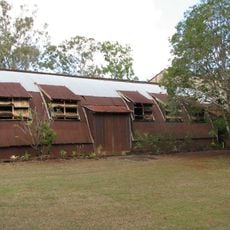
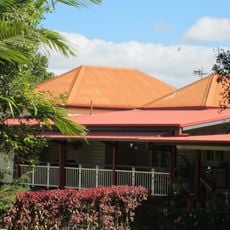
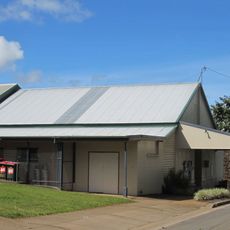
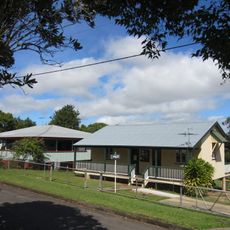
Hou Wang Temple is a Taoist temple and museum in Atherton built mainly from locally sourced wooden beams and corrugated iron roofing. The building holds several rooms including a main hall, kitchen, and storage areas that show how the temple served as a community gathering place.
The temple was built in 1903 by the Chinatown community at Atherton, using local cedar and black bean timber with corrugated iron. It replaced earlier plans from the 1890s, when funds were collected and furnishings ordered from China. The complex served as a social and spiritual centre for over a thousand Chinese residents, mostly timber cutters, market gardeners and maize growers. After World War I, revoked leases led most residents to leave, and the temple later fell into disrepair.
The temple displays traditional Chinese craftsmanship and objects that visitors encounter while walking through the rooms. The hand-carved wooden panels on the walls and old artifacts tell the story of how early Chinese settlers lived in this region.
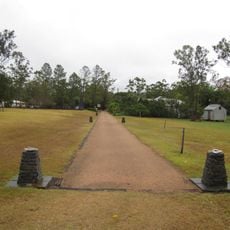
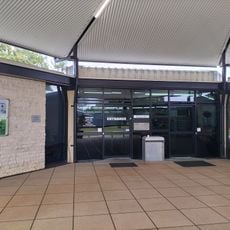
The temple stands on Herberton Road in Atherton, near Platypus Park, on the open grassed site of the former Chinatown. It is open six days a week and closed on Mondays, so time a visit accordingly. The complex includes an art gallery and interpretation centre alongside the temple rooms.
The building is the last surviving Chinese temple made of timber and iron in Australia and houses a clapperless bell from 1895. This bell and other imported items came directly from China and are found nowhere else outside China in this particular combination.
The community of curious travelers
AroundUs brings together thousands of curated places, local tips, and hidden gems, enriched daily by 92,717 contributors worldwide.