Undara Volcanic National Park, Volcanic national park in Queensland, Australia
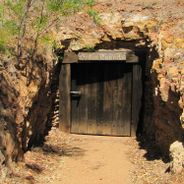
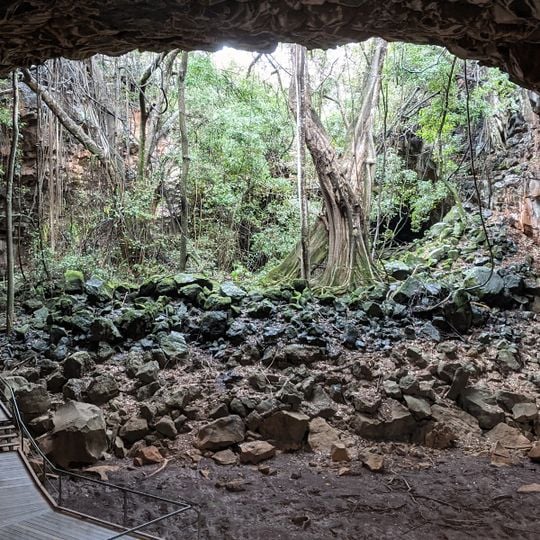
Undara Volcanic National Park protects Australia's longest lava tube, formed about 190,000 years ago when the Undara volcano released some 23 billion cubic metres of lava. The tubes reach up to 20 metres wide and 13.5 metres high, with roofs 5 to 10 metres thick; many sections have collapsed, leaving green vine thickets in the openings. Guided walks enter a handful of the 69 known tubes.
The volcanic formations in the park originated roughly 190,000 years ago when molten lava flowed from the Undara crater and carved out the underground tunnel system. This geological event shaped the landscape structures that define the area today.
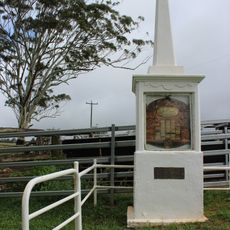
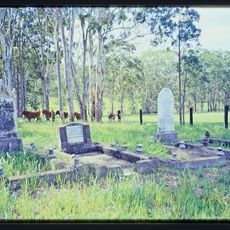
The name Undara comes from an Aboriginal word meaning "a long way". The Ewamian people are the traditional owners of the park. The Collins family, who settled here in 1862, ran cattle before the park was declared and still hold a business lease for the Undara Experience lodge, where guests sleep in restored 19th-century railway carriages.
Lava tube access is by guided tour only, as collapsed holes, high carbon dioxide in some tubes and a confusing landscape make much of the park unsafe unguided; the Kalkani Crater can be walked without a guide. The climate is monsoonal: October to late March is very wet, while April to August is drier and cooler. The park lies 58 km by road from Mount Surprise, off the Gulf Developmental Road.
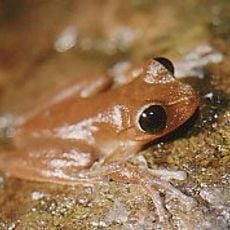
The lava tubes reach up to 22 metres wide and 13.5 metres high, and the roof above them is only 5 to 10 metres thick. Bayliss Cave, once part of a tube over 100 kilometres long, holds 52 resident species, including the most diverse arthropod assemblage recorded in a north Queensland cave.
The community of curious travelers
AroundUs brings together thousands of curated places, local tips, and hidden gems, enriched daily by 92,653 contributors worldwide.