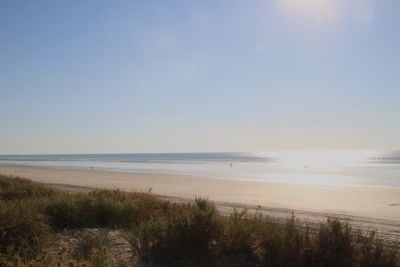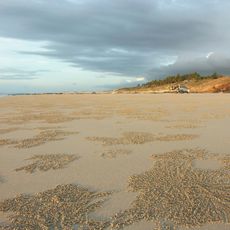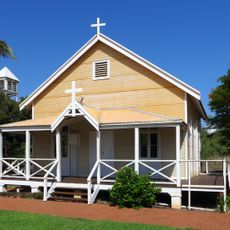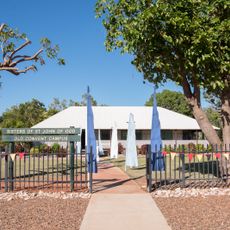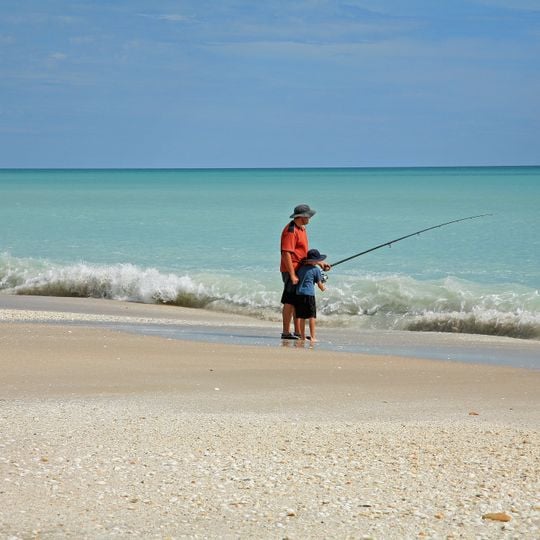
Eighty Mile Beach, Beach and Ramsar site along Great Northern Highway, Western Australia.
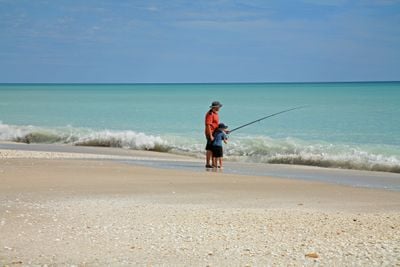
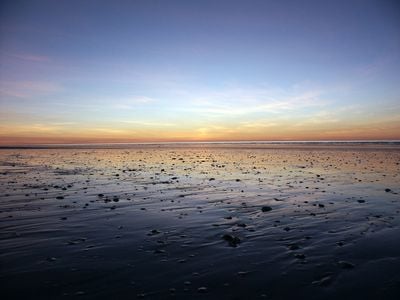
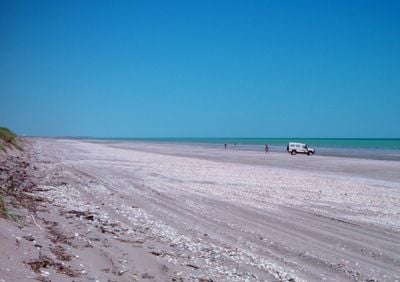
Eighty Mile Beach runs about 220 km from Cape Missiessy southwest in a shallow curve to Cape Keraudren, in the Shire of Broome, Kimberley. The beach is roughly 100 m wide with a gentle gradient, made of sand with a high proportion of shelly material, and tides reach up to 9 m. Behind it lie dunes, a narrow floodplain and pindan woodland, bordered by four cattle-station leases.
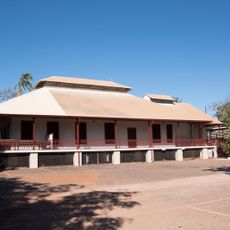
The Talgarno base, east of Anna Plains homestead, tracked and recovered British Blue Streak rockets test-fired from Woomera, South Australia, after World War II. A gravel airstrip, artesian bores and concrete blockhouses remain. In 1999 the Department of Defence fired a missile from Anna Plains during development of the Jindalee over-the-horizon radar.
In Karajarri the beach is called Wender, "a creaking noise", after the sound of walking on dry sand. The Nyangumarta hold native title over the southern section, determined by the Federal Court in June 2009 at Nyiyamarri Pukurl beside the caravan park; the northern part is shared with the Karajarri, confirmed on 25 May 2012 at Talgarno. Soaks called lirri behind the beach once supplied fresh water, and many became water reserves on the Kimberley-De Grey stock route used for cattle-droving until the 1960s.
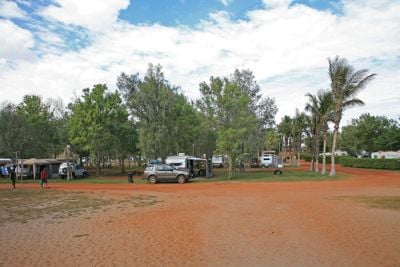
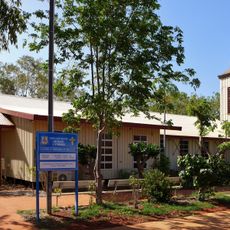
The beach is accessible via the Great Northern Highway, and the Eighty Mile Beach Caravan Park offers powered and unpowered sites plus cabins with facilities. A mini-mart nearby stocks supplies for visitors staying in the area.
Since 1981, expeditions by the Australasian Wader Studies Group have banded and counted shorebirds here almost every year. Since 1992 most caught birds have also been leg-flagged, so resightings reveal their precise migration routes and staging sites along the flyway.
The community of curious travelers
AroundUs brings together thousands of curated places, local tips, and hidden gems, enriched daily by 93,244 contributors worldwide.